
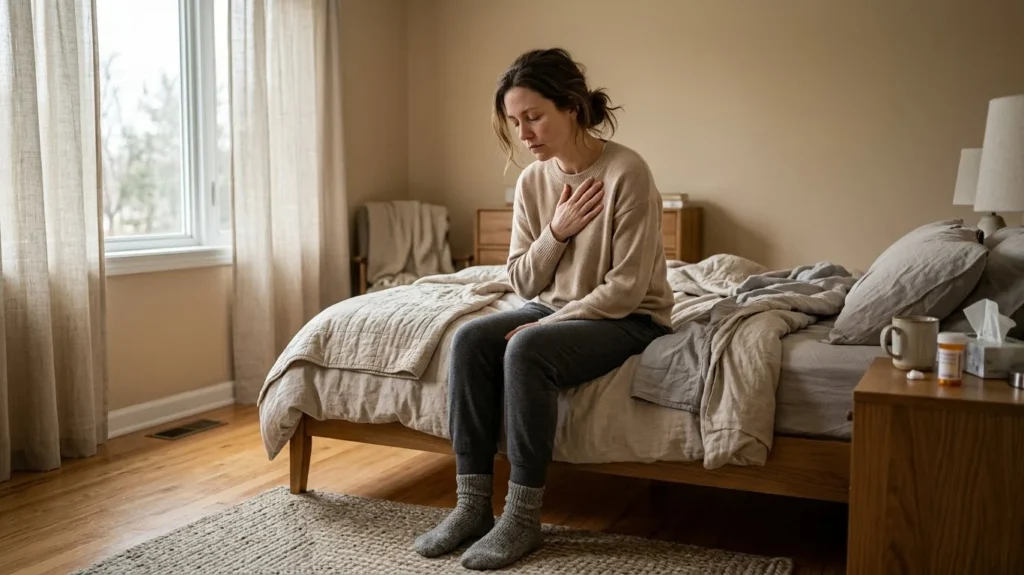
Depression is a common mental health condition that affects millions of adults in the United States. It can cause ongoing feelings of sadness, low energy, and a loss of interest in activities that a person once enjoyed. Up to 69% of people with depression visit doctors for physical complaints, not emotional ones, which means the mental health connection often goes undetected for years.
Depression is a real medical condition. It is not a sign of weakness, and people cannot simply snap out of it. The good news is that many people feel better with the right treatment and support. When someone has depression, changes in the brain and stress levels can affect how the body works. These changes may weaken overall health and lead to physical discomfort or illness. We serve clients in Grand Terrace, CA and the surrounding communities. We understand how deeply depression affects not just your mind but your entire body.
What Does Depression Do to Your Body?
Your brain and your body are not two separate things. They are deeply connected through nerves, hormones, and chemical signals that travel back and forth all day long. When something goes wrong in the brain, the body feels it too. When you feel nervous before a big presentation, your palms sweat and your heart beats faster. That is your mind talking to your body in real time. Depression works the same way, except the signal never turns off.
Can Depression Make You Physically Sick?
Depression can absolutely make you physically sick. It is not just about feeling sad or low. Depression triggers real changes in your brain and body, including a rise in cortisol, your main stress hormone. When cortisol stays high for too long, it raises blood pressure, disrupts digestion, weakens your immune system, and increases inflammation all through the body.
This is why people with depression often get sick more often and take longer to recover from even simple illnesses like a cold. Many people visit doctors for these physical complaints without ever knowing depression is the cause. When the brain is affected, the whole body feels it.
Common Physical Symptoms of Depression

Depression can affect the body in many ways, leading to symptoms that may not seem related to mental health at first.
Constant Fatigue and Low Energy
Fatigue is one of the most reported physical symptoms of depression. This is not ordinary tiredness that goes away after a good night of sleep. It is a deep, heavy exhaustion that makes even small tasks feel impossible. Getting out of bed, taking a shower, or making a meal can feel like climbing a mountain. The brain changes caused by depression interfere with energy regulation at a cellular level.
Headaches and Migraines
People with depression are significantly more likely to experience frequent headaches and migraines. The changes in brain chemistry associated with depression, particularly disruptions to serotonin, directly affect how the brain manages pain and blood flow. Tension headaches are especially common, often brought on by the muscle tightness and stress that depression creates.
Muscle Aches and Chronic Pain
Body aches and unexplained muscle pain are extremely common in depression. The lower back, shoulders, neck, and joints are the spots people complain about most. The reason goes back to brain chemistry. Serotonin and norepinephrine, two chemicals that depression disrupts, also play a major role in how the body manages pain signals. When those chemicals are out of balance, the pain dial gets turned up.
Digestive Problems and Stomach Issues
The gut and the brain are directly connected through what scientists call the gut-brain axis. When depression upsets the brain, the gut feels it immediately. Nausea, bloating, constipation, diarrhea, stomach cramps, and irritable bowel syndrome are all commonly linked to depression. Many people with chronic digestive problems are never told that depression could be the root cause.
Sleep Problems and Insomnia
Depression almost always disrupts sleep. Some people cannot fall asleep. Others fall asleep easily but wake up at 3 a.m. and lie awake for hours. Still others sleep 12 hours and wake up feeling like they never rested at all. This sleep disruption then makes the depression worse, which makes the sleep worse, creating a painful cycle that is very hard to break without treatment.
Changes in Appetite and Weight
Depression often changes how people relate to food. Some lose their appetite entirely and lose weight without trying. Others find themselves eating for comfort and gaining weight. Both patterns are connected to the same brain chemistry disruptions. Sudden weight changes also put extra strain on the heart and joints, adding more physical health problems to the mix.
How Depression Can Increase Your Risk of Other Health Problems
Depression puts serious strain on the body over time. It raises cortisol levels, increases inflammation, and weakens the immune system, which raises your risk of heart disease, high blood pressure, and type 2 diabetes. People with depression are nearly twice as likely to develop heart disease compared to those without it.
It also makes existing pain conditions like fibromyalgia and arthritis much worse. The two problems feed each other, and without treating the depression, the physical health problems keep getting harder to manage. The longer depression goes untreated, the greater the damage it can do to your long-term physical health.
Why Physical Symptoms of Depression Are Often Missed
Physical symptoms of depression look exactly like other medical problems. Fatigue can look like thyroid disease. Stomach pain can look like irritable bowel syndrome. Headaches can look like a migraine disorder. So when someone visits the doctor, the focus naturally goes toward physical causes, and depression never enters the conversation.
A major World Health Organization study found that 69% of people who fully met the criteria for depression went to the doctor complaining only about physical symptoms. They never mentioned sadness or hopelessness. They talked about back pain, stomach issues, and poor sleep. Without the right questions being asked, the real cause stays hidden and the person keeps suffering without proper help.
Signs Your Physical Symptoms May Be Related to Depression
Sometimes physical symptoms can be linked to depression, especially when they continue without a clear medical cause.
Emotional Symptoms That Often Occur Together
Physical symptoms of depression rarely travel alone. If you are also feeling persistently sad, empty, or hopeless alongside your physical pain, that is an important signal. Feeling guilty for no clear reason, losing interest in things you used to enjoy, or feeling like nothing is worth the effort are emotional signs that often go hand-in-hand with physical symptoms of depression.
Behavioral Changes to Watch For
Withdrawing from friends and family, skipping activities you used to love, finding it hard to concentrate at work or school, and neglecting basic self-care are behavioral changes that often accompany the physical symptoms. When someone is isolating themselves and also complaining of constant fatigue and headaches, depression is a very likely explanation.
When Symptoms Persist Without a Clear Medical Cause
The biggest red flag is when physical symptoms stick around for weeks or months with no explanation. If your doctor has run tests and ruled out physical causes, and the symptoms keep coming back, mental health needs to be part of the conversation.
How Depression Is Diagnosed
There is no blood test for depression. Diagnosis is based on a careful conversation with a doctor or mental health professional. They will ask about your mood, your sleep, your energy, your appetite, your ability to concentrate, and how long you have been feeling this way. To be diagnosed with major depressive disorder, a person needs to have five or more depressive symptoms most days for at least two weeks.
If you have been living with physical symptoms that nobody can explain, it is completely appropriate to ask your doctor or a therapist whether depression could be involved. You do not have to wait until you feel emotionally broken to get help.
Treatment Options for Depression and Physical Symptoms

Treating depression properly can improve both your mental and physical health at the same time. Cognitive Behavioral Therapy, or CBT, is one of the most effective options. It helps people change the negative thought patterns that keep depression going, and many people see their physical symptoms improve as their mental health gets better.
Medication is another strong option. Antidepressants like SSRIs and SNRIs help restore the brain chemical balance that depression disrupts, and relief from physical symptoms like pain, fatigue, and digestive problems often follows. Alongside therapy and medication, lifestyle changes also make a real difference.
When to Seek Professional Help
If you have been experiencing any combination of persistent sadness, unexplained physical symptoms, or loss of interest in life for two weeks or more, please reach out to a doctor or mental health professional. If you are having thoughts of harming yourself or ending your life, please seek help immediately. Depression is treatable, and you deserve to get the help you need.
Feeling physically unwell without a clear reason?
Your body has been trying to tell you something, and it is time to listen. At Radiant Path Therapy and Psychiatry in Grand Terrace, CA, we believe that no one should have to keep living with unexplained pain, exhaustion, or sadness without real support.
Our experienced therapists help people manage depression, ease physical symptoms, and work toward recovery. Book your appointment if you are ready to start feeling better in both your mind and your body, we are here and ready to help.
Conclusion
Your body is trying to tell you something. If you have been living with unexplained pain, constant fatigue, stomach problems, or headaches that nobody can figure out, depression might be the missing piece. This is not a weakness. It is a medical condition that affects millions of people, and it is treatable.
The first step is simply asking the question. Talk to your doctor and see a therapist. Tell someone how you have been feeling, not just physically but emotionally too. Depression responds to treatment, and when the mental health piece is addressed, the physical symptoms often follow. You deserve to feel well in both your mind and your body.
Frequently Asked Questions
What kind of physical problems can depression cause?
Depression can cause fatigue, headaches, muscle and joint pain, digestive issues like nausea and stomach cramps, sleep problems, changes in appetite and weight, and a weakened immune system. These are real physical symptoms, not imaginary ones.
Can depression make you feel sick every day?
Many people with depression experience daily physical symptoms that feel like being chronically unwell. Fatigue, pain, digestive problems, and headaches can all happen every day when depression is untreated.
Can depression cause nausea and stomach problems?
The gut and brain are directly connected, and depression disrupts that connection. Nausea, bloating, constipation, diarrhea, and symptoms that look like irritable bowel syndrome are all commonly linked to depression.
Can treating depression improve physical symptoms?
When depression is treated effectively with therapy, medication, or both, many people see significant improvement in their physical symptoms as well. The mind and body heal together.
How long do physical symptoms of depression last?
Without treatment, physical symptoms of depression can last for months or even years. With proper treatment, most people start to feel better within several weeks to a few months, though this varies from person to person.