We accept a variety of insurance plans.
Please contact us to confirm your coverage.
Radiant Path Therapy and Psychiatry · Grand Terrace, CA
Is substance use or a habit you can't stop taking everything from you? Addiction is a treatable health condition, not a personal failing, and recovery is possible with the right support. Radiant Path Therapy and Psychiatry in Grand Terrace, California, provides evidence-based addiction treatment through PHP, IOP, and outpatient programs.
Our therapy helps break the habits, triggers, and emotional patterns behind use, while psychiatric treatment eases cravings, withdrawal, and mental health symptoms. Every plan includes relapse prevention, so you can recover from addiction without stepping away from work or family. Reach out today and our team will help you find the right treatment for your mental health condition.
Addiction affects behavior, physical health, and emotions. When someone comes to us for an assessment, these are the signs our team looks for. Not everyone shows every sign, and even a few symptoms can be a reason to reach out to Radiant Path Therapy.
Using more than planned, or being unable to cut back
Continuing to use despite money, health, or relationship problems
Hiding or downplaying use, and getting defensive when it comes up
Falling behind at work or home, and dropping activities once enjoyed
Tolerance: needing more of a substance for the same effect
Feeling nausea, shakiness, or restlessness when you stop using a substance
Changes in sleep, energy, appetite, or weight
Cravings that are hard to ignore
Irritability, anxiety, or low mood
Loss of motivation
We treat many types of addiction, including alcohol, drugs, nicotine, and compulsive behaviors. Some substances cause dangerous withdrawal when you stop. Others bring strong cravings and mood changes. Our team treats each one based on the risks it carries.
Quitting alcohol suddenly can cause dangerous withdrawal, including seizures. Treatment for alcohol use disorder starts with a safe way to stop, then builds the coping skills and relapse prevention needed to handle stress, work, and social triggers
Opioid cravings come from changes in the brain, not weak willpower. Care focuses on managing cravings, preventing relapse, and rebuilding stability for people recovering from heroin, oxycodone, and other opioids.
Many people start with painkillers or sleep aids for a real medical reason. Over time the body needs more, and stopping gets hard. We look at why the use continued, such as ongoing pain, poor sleep, or stress, and treat that cause along with the dependence.
Long-term use of Xanax, Valium, Klonopin, or Ativan can cause physical dependence, and stopping suddenly can be dangerous. Care focuses on a safe, gradual reduction, plus tools for the anxiety that often returns.
Cocaine, crack, and misused ADHD medication such as Adderall wear down sleep, mood, and focus. Treatment centers on managing cravings and the crash after use, and rebuilding daily habits that support recovery.
Daily cannabis use can dull motivation, memory, and focus, and quitting often brings irritability and poor sleep. Treatment works on breaking habit cycles, managing withdrawal, and finding other ways to handle stress.
Fentanyl is far more potent than other opioids, and a small amount, even in a counterfeit pill, can cause an overdose. Care includes referral to medical detox when needed, a written safety plan, and naloxone (Narcan) education.
Compulsive porn use often stays hidden, yet it can damage confidence, intimacy, and trust. Treatment helps identify triggers, build healthier habits, and regain control in a respectful, judgment-free setting.
Methamphetamine can bring paranoia, severe sleep loss, and intense cravings. Treatment focuses on emotional regulation, repairing sleep and daily routine, and building long-term recovery.
Nicotine from cigarettes, vapes, or chewing tobacco ties into daily habits, like smoking with coffee. Cravings peak in the first few days but pass in minutes. We help you plan for triggers, and our psychiatrists recommend patches, gum, or medicine based on how strong your cravings are.
Our licensed therapists work with adults and teens at every stage of recovery, from the first weeks of treatment to life after a program ends. Most plans combine more than one of these approaches, matched to what each person needs most.
CBT starts with one question: what was happening right before the urge? Our therapists trace the thought, the feeling, and the situation, then work out what to do differently next time. Between sessions, clients practice small steps, such as tracking cravings or trying a new response to a trigger.
Most clients come in with mixed feelings about quitting. In MI, the therapist listens, asks open questions, and helps the client sort out what they want and what substance use is costing them. The decision to change stays with the client.
DBT teaches skills for the moments when emotions spike and using feels like the only way out. Clients practice ways to get through distress, calm the body, and handle arguments, so one bad day does not turn into a relapse.
We help you stay strong after treatment ends. You’ll learn to spot triggers, cope with cravings, and build routines that protect your recovery. This path gives you the tools and confidence to stay sober for the long term.
Addiction changes brain chemistry, and those changes can keep cravings and withdrawal going long after you decide to quit. We use medical evaluation and medication to treat these effects directly.
Our psychiatrists begin by assessing how substance use affects your body and mental health. We review which substances you take and how often. We also screen for conditions like depression or ADHD and check any medications you already take. This lets us plan the safest way to stop and decide which psychiatric care fits your needs, including whether medication will help.
Our MAT program combines FDA-approved medication with therapy for opioid and alcohol addiction. These medications ease the urge to use and help protect against overdose. We walk you through each option and choose the right fit with you, especially for long-term opioid use or heavy daily drinking.
Our psychiatrists stay with you after medication starts. Regular visits let us adjust your dose, manage side effects early, and plan when to safely lower or stop medication. We recommend it for people who already take medication for addiction or mental health, or whose current prescription needs a change.
Many people living with addiction also struggle with their mental health. When one is left untreated, the other becomes harder to manage. We treat both together, with our psychiatric and therapy teams working side by side so care stays connected. We recommend this care when mood or trauma symptoms lead to substance use or get worse because of it.
We have helped 200+ clients work through addiction and build lasting recovery. The team includes licensed clinicians and psychiatrists experienced in treating both substance use and behavioral addictions. Clinical Director Tiffany Komba, LMFT, specializes in addiction and dual diagnosis and brings a deep understanding of the mental health issues that often sit beneath substance use. Our psychiatrists lead all medication and psychiatric care.
Same-day admission means support can begin the day you reach out. Our facility is also certified by the California Department of Health Care Services, the state agency that licenses and oversees addiction treatment programs.

Every client starts with a full intake assessment covering substance use history, daily patterns, emotional health, and current risks. The results guide whether therapy, psychiatric treatment, or both make the most sense, and which level of care fits best.
Each plan sets clear goals and session frequency. Therapists and psychiatrists review progress together and update the plan as needs change. Family sessions are also available for clients who want loved ones involved in mental health recovery.
07 / Therapy & psychiatry
We accept a variety of insurance plans for addiction treatment sessions. Coverage, copays, and session limits depend on your plan, so our team checks your benefits for free before your first appointment. Telehealth sessions are covered under many plans. Contact us to confirm your coverage and know exactly what to expect.



MEASURABLE RECOVERY
Addiction recovery is rarely just about the substance itself, it’s tied to everything else going on in someone’s life. Here’s what a few clients had to say about their experience rebuilding, healing, and finding stability with support from our therapists:
OUR TEAM
Every therapist on our team works with adults and teens on emotional and behavioral concerns, choosing approaches that fit your symptoms and goals, in person or online.

Associate Clinical Social Worker
LPT, ASW, MSW
Melissa Rubalcava is an Associate Clinical Social Worker dedicated to helping individuals and couples navigate anxiety, trauma, identity challenges, and relationship stress.
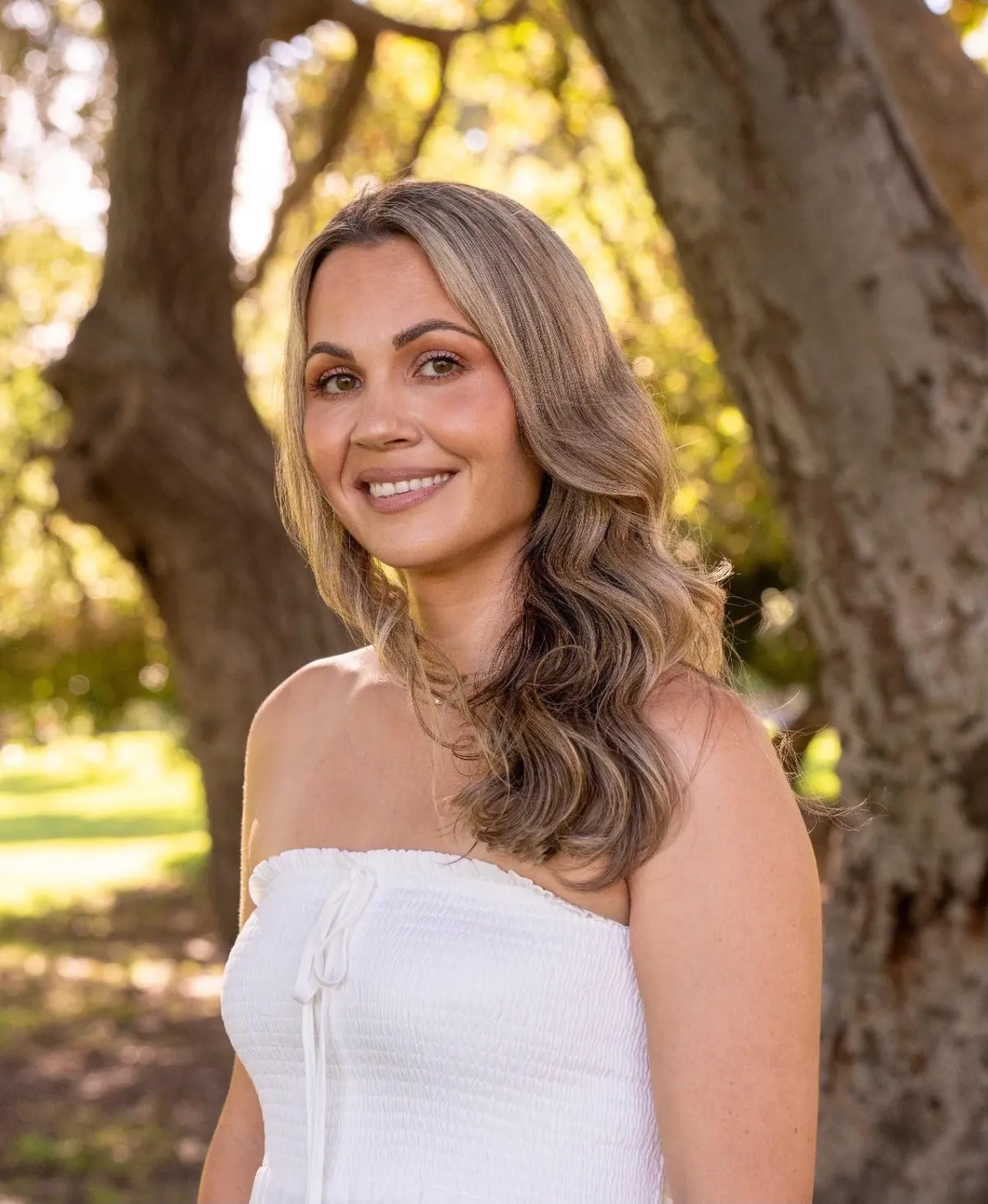
Marriage & Family Therapist Associate
AMFT, EMDR
Briana Fisher is an Associate Marriage and Family Therapist committed to supporting individuals, couples, and families facing trauma, emotional distress, and relationship challenges.
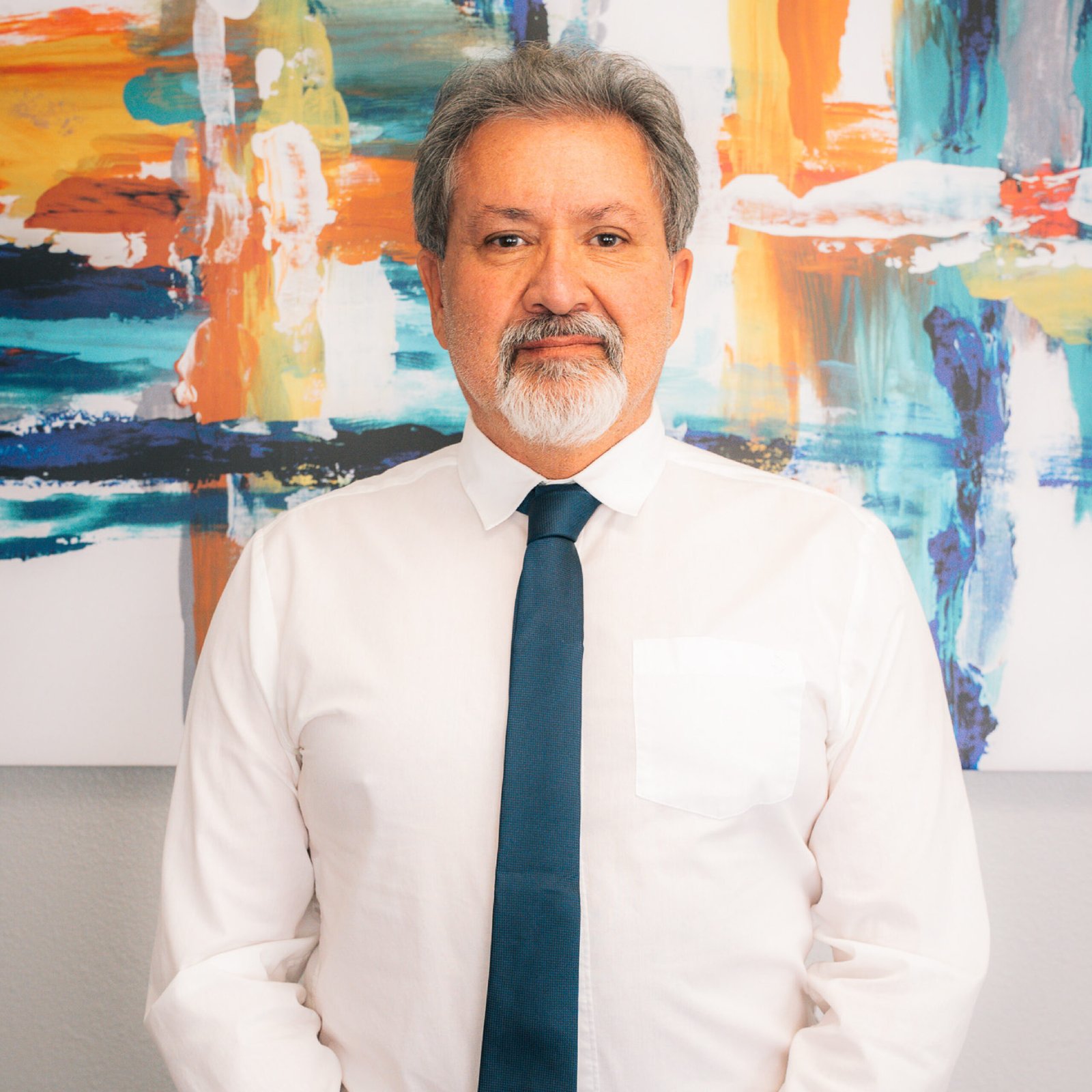
Marriage & Family Therapist Associate
MRAS, CSC
Mak Ehtesham is a Mental Health Recovery and Addiction Specialist with a doctoral degree in Applied Clinical Psychology and more than a decade of experience in behavioral health.
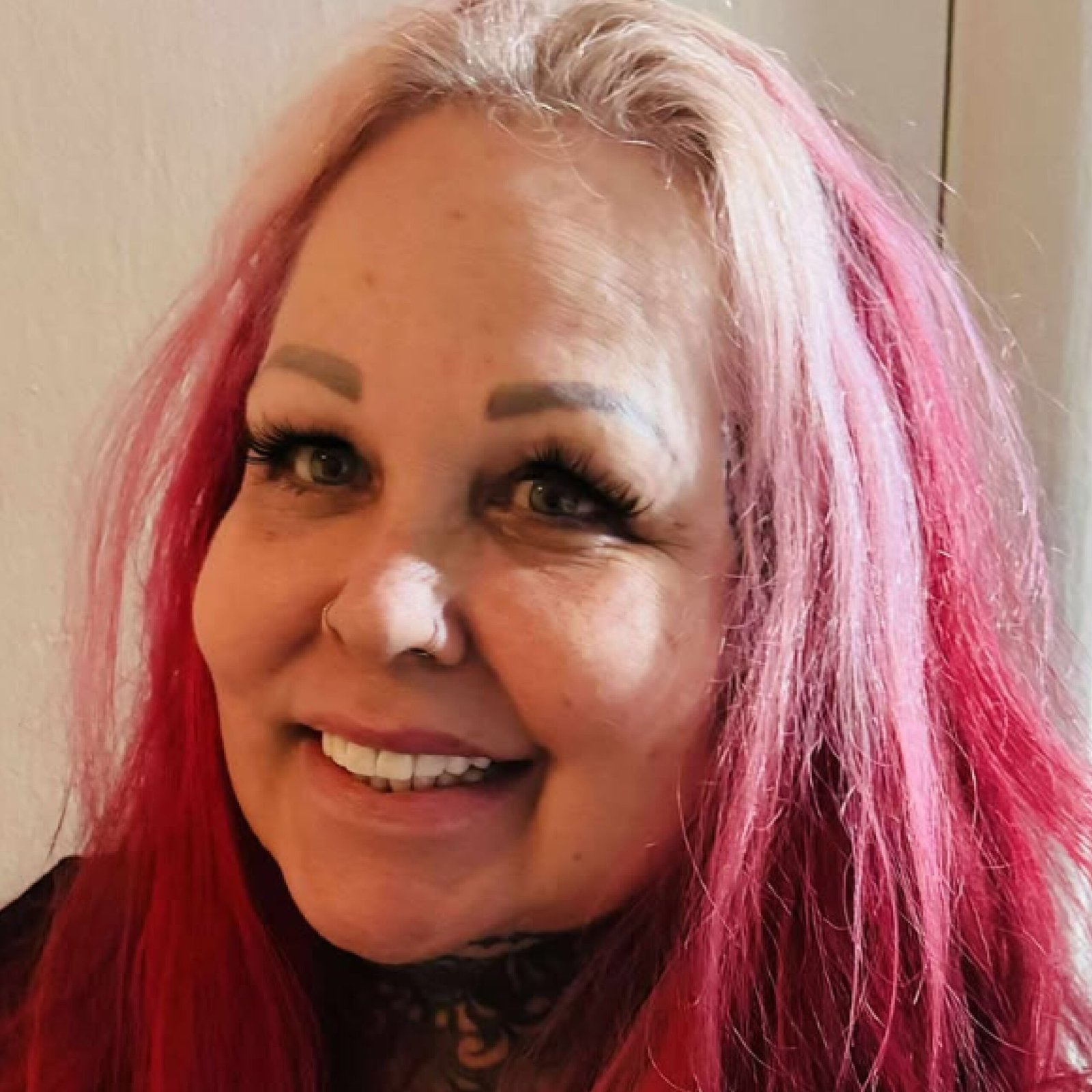
Program Manager & Trauma Specialist
Deborah Sutton serves as the Program Manager at Radiant Path Therapy and Psychiatry and plays a central role in shaping the client experience.
Clinical Director
LMFT
Tiffany Komba is a Licensed Marriage and Family Therapist and the Clinical Director at Radiant Path Therapy and Psychiatry.
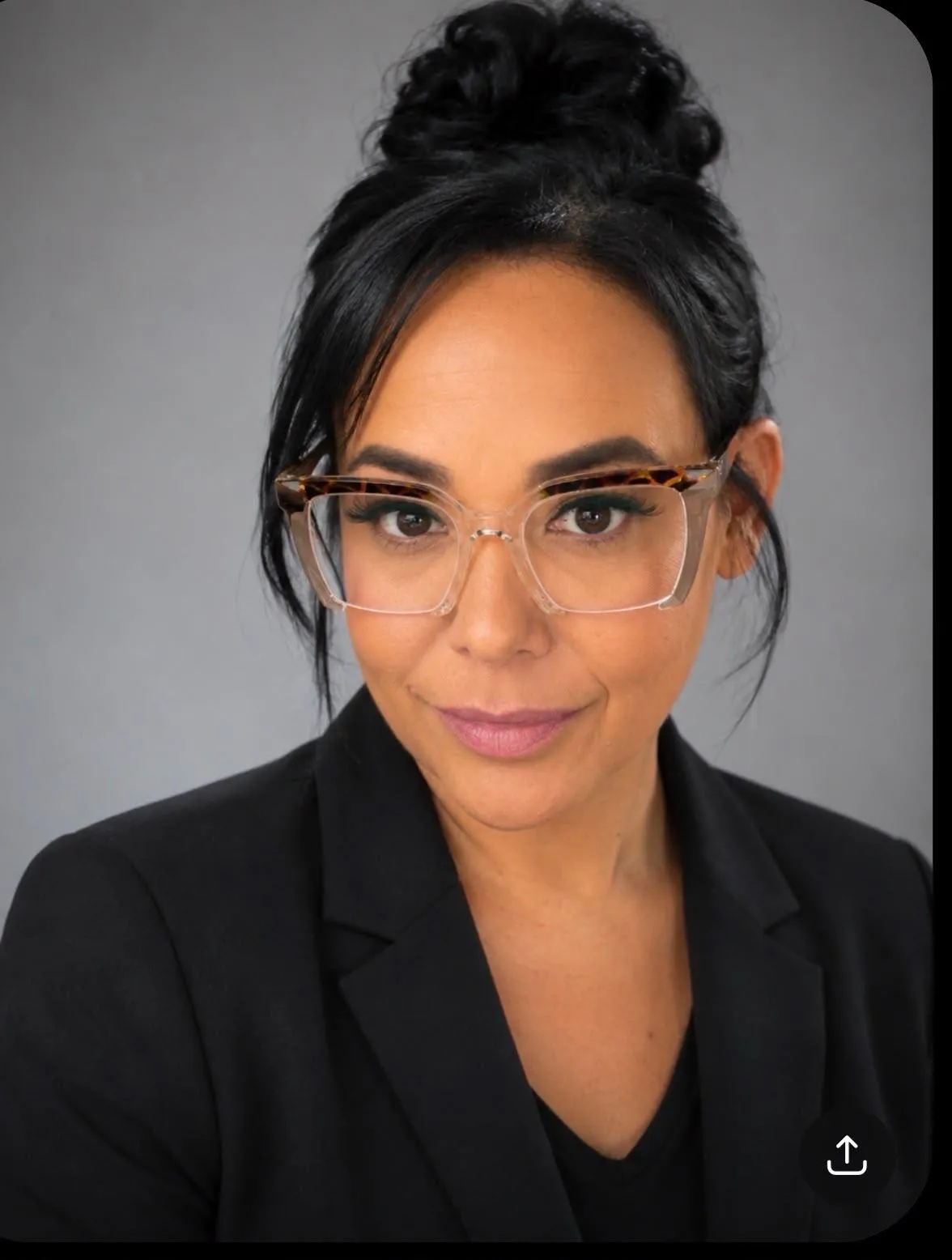
Associate Professional Clinical Counselor
APCC, EMDR Practitioner
My name is Kerri Reynolds and I am an Associate Professional Clinical Counselor (APCC) and EMDR practitioner with specialized experience providing trauma-informed care to individuals navigating a wide range of mental…
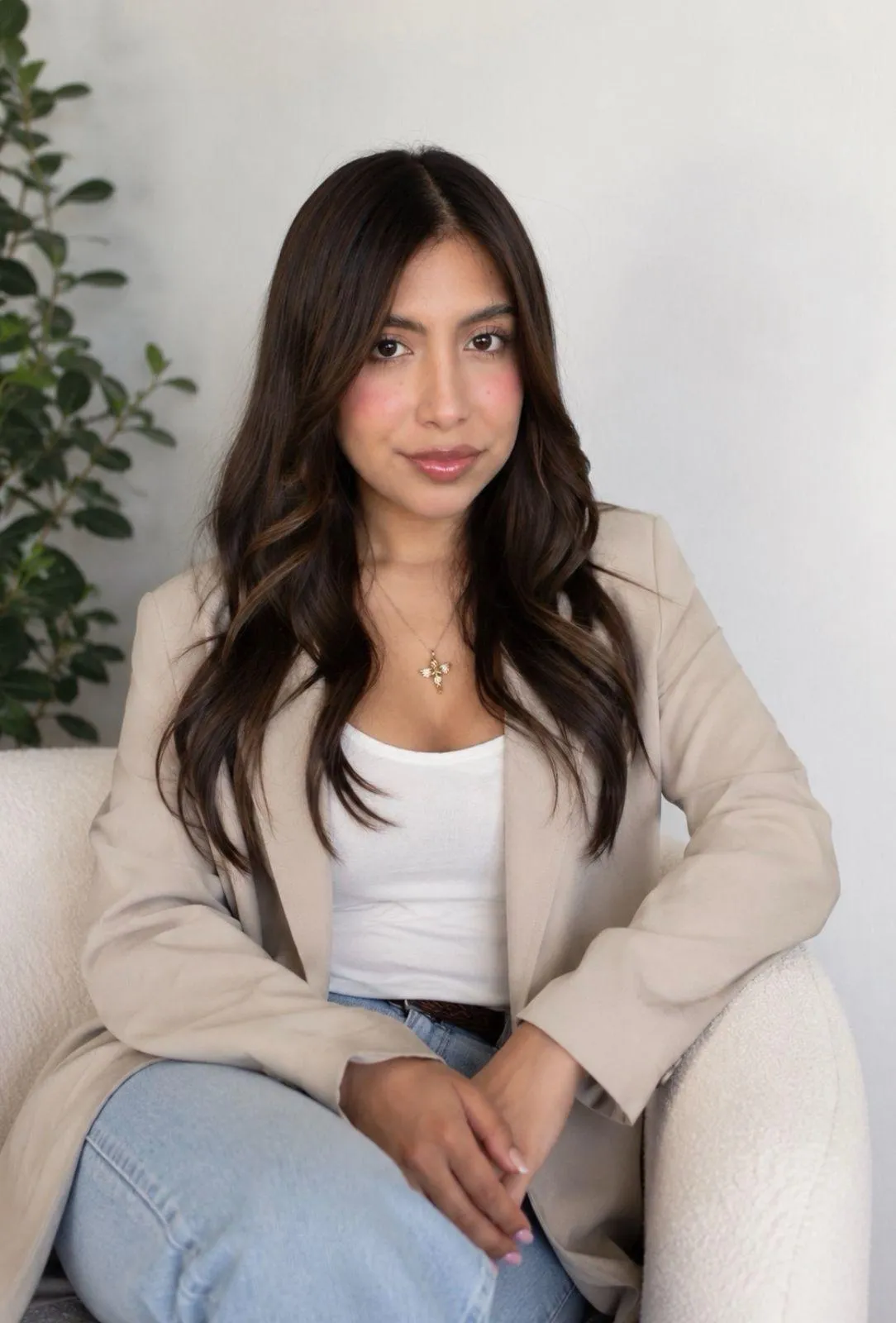
Associate Professional Clinical Counselor
ACSW, EMDR Practitioner
I bring a strong clinical foundation working with children, adolescents, adults, and families, along with experience providing trauma informed, evidence based care in diverse settings.
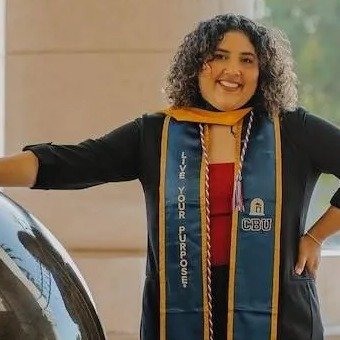
Associate Therapist
AMFT, APCC
Samantha, AMFT & APCC, supports life transitions, trauma, and stress using CBT/DBT, offering compassionate care to build insight, resilience, and confidence.
OUR TEAM
Psychiatrists on our team diagnose mental health conditions and manage medication, coordinating with your therapist whenever you receive both forms of care.
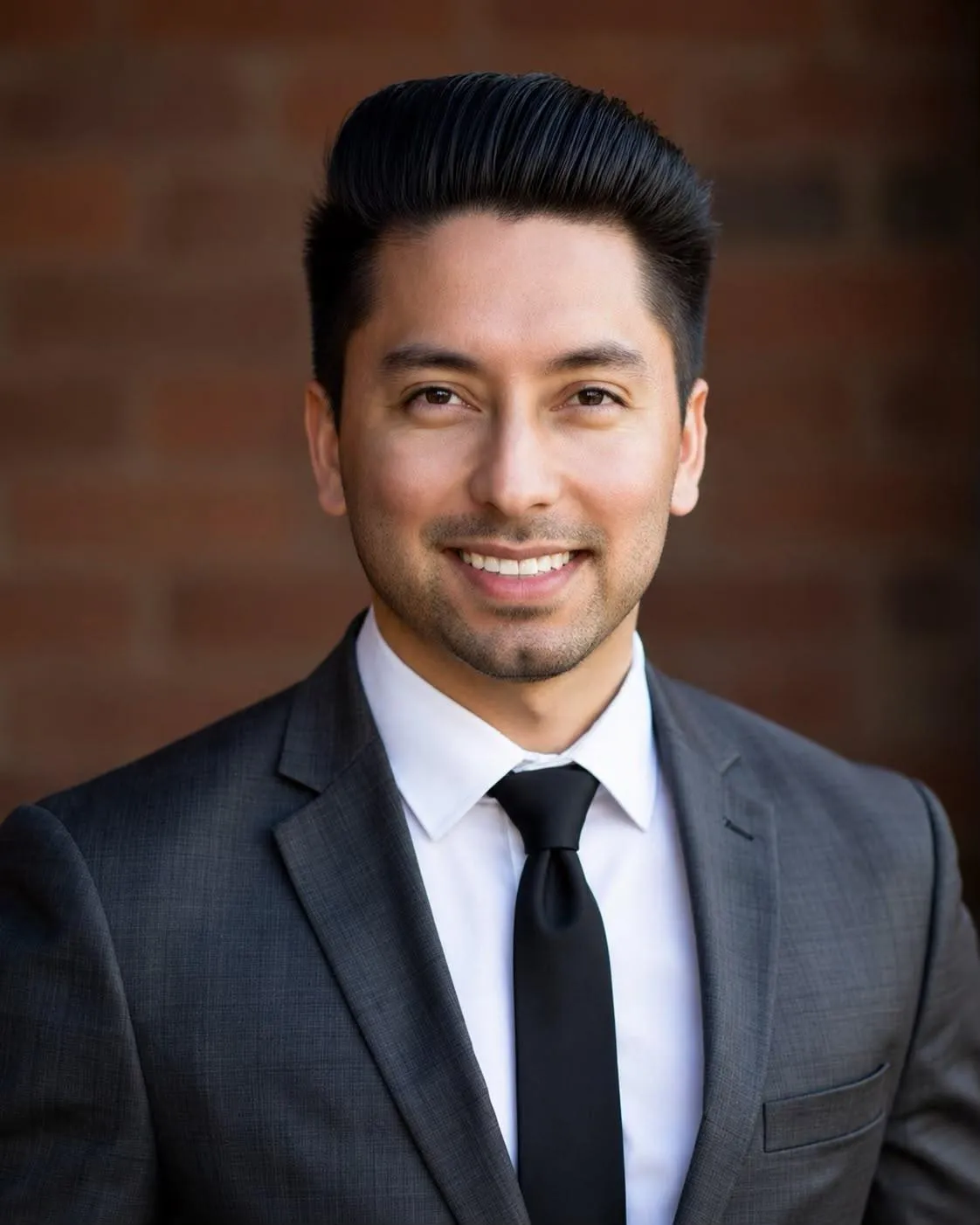
Psychiatric Nurse Practitioner
DNP, PMHNP-BC
Daniel Lucero, DNP, PMHNP-BC is a board-certified psychiatric nurse practitioner and Doctor of Nursing Practice graduate of Loma Linda University.
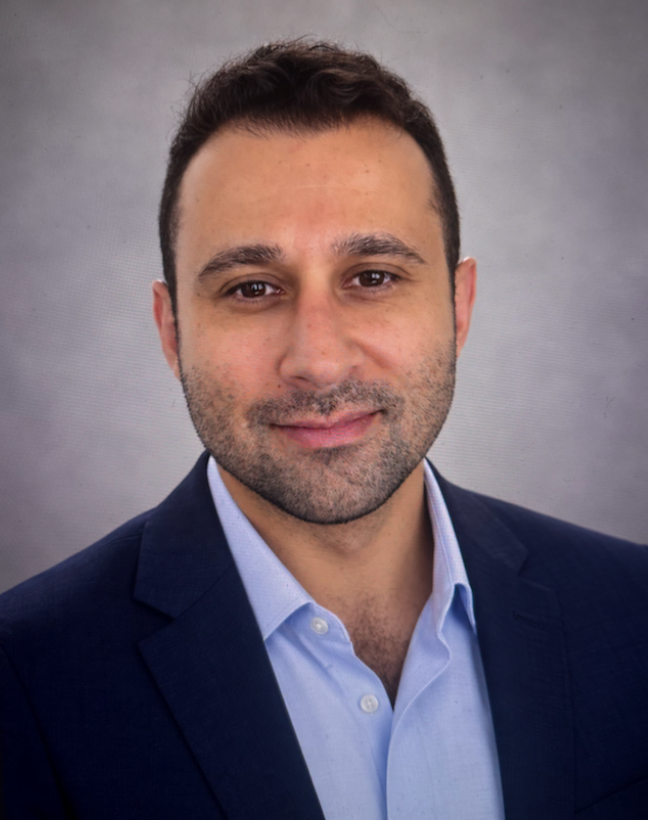
Psychiatric Nurse Practitioner
Adrian Cisneros provides compassionate psychiatric care and medication management for anxiety, depression, and ADHD, with services available in English and Spanish.
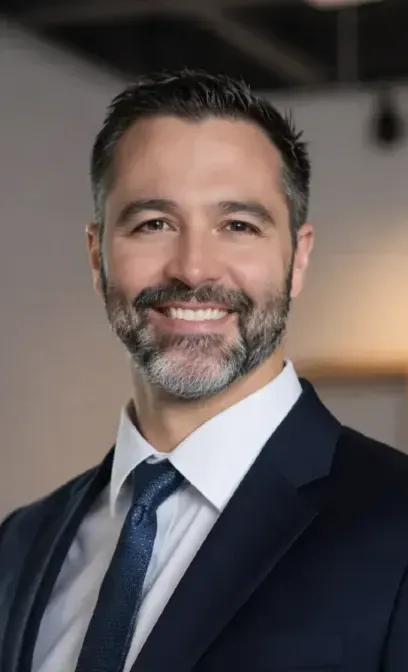
Certified Psychiatric Associate
DNP, PMHNP-BC
Justin Matar, DNP, PMHNP-BC is a board-certified psychiatric nurse practitioner trained at Loma Linda University.
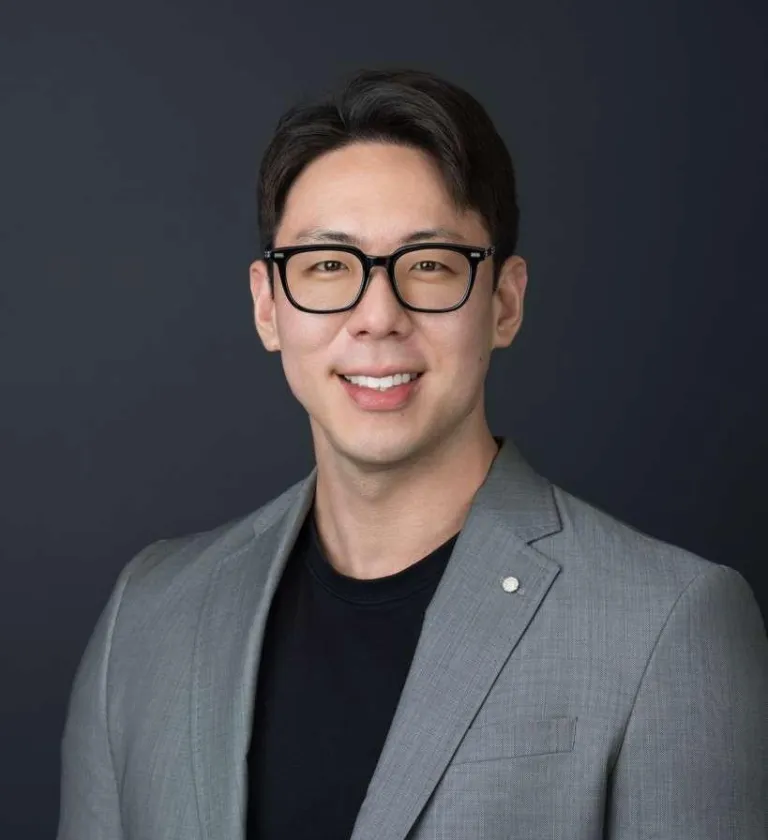
Physician Assistant
PA-C, CAQ-Psychiatry
As a Psychiatry CAQ Physician Assistant, I blend urgent and general medicine with psychiatry, focusing on patient education and the physical-mental health connection.
Radiant Path Therapy and Psychiatry is ready to help you begin addiction treatment in Grand Terrace, CA, today. Our therapists and psychiatrists work together to give you the mental health care you need most. Call now with your questions, and we'll verify your insurance and set up your first assessment. If you're reaching out for a loved one, we'll walk you through the next steps too. You deserve to feel like yourself again, and we're here to help you get there.
11 / Therapy & psychiatry
01
Treatment length varies depending on substance use, individual needs, and program type. Our licensed therapists create a personalized plan for sustainable recovery.
02
Yes. We accept most major plans, including Covered California and Medi-Cal, and verify your benefits within same day or next at no cost.
03
Absolutely. Our outpatient programs are designed to provide structured therapy and support while you maintain your daily responsibilities.
04
We treat alcohol, opioid, fentanyl, prescription drug, benzodiazepine, stimulant, marijuana, methamphetamine, and nicotine dependency, as well as behavioral concerns such as compulsive pornography use.
12 / Where we help
We provide addiction treatment in Grand Terrace, CA, and serve clients from nearby communities across the Inland Empire, including San Bernardino and Riverside counties. Wherever you’re located nearby, addiction care is within reach.
Colton
Highgrove
Loma Linda
San Bernardino
Bloomington
Redlands
Riverside
West Colton
East Colton Heights
Cooley Ranch
Reche Canyon
Barton Road District
Downtown San Bernardino
Terrace Hills