We accept a variety of insurance plans.
Please contact us to confirm your coverage.
Radiant Path Therapy and Psychiatry · THERAPY SERVICES
When mental health and substance use start affecting your work, relationships, and daily life, it can feel overwhelming to manage both alone. Our dual diagnosis treatment in Grand Terrace, CA helps you address the root causes together, so you can regain control, improve emotional stability, and move toward lasting recovery.
01 / Therapy & psychiatry
If substance use and mental health struggles keep repeating and daily life feels harder to manage, it may be time to consider co-occurring disorder treatment. When progress feels slow or change does not last, treating mental health and addiction together can support clearer thinking, stronger routines, and more stable long term recovery.
01
Emotional distress can lead to alcohol or drug use, followed by guilt and frustration. Over time, this repeated pattern becomes exhausting and discouraging. Dual diagnosis addiction treatment focuses on breaking the cycle, increasing emotional awareness, and building healthier coping strategies that support long term stability and better daily decisions.
02
Relapse often happens when deeper emotional concerns remain unresolved. Stress, pressure, or past experiences can bring urges back. Addressing both mental health and addiction together strengthens recovery, improves resilience, and helps reduce setbacks while creating a stronger sense of control and confidence.
03
Substances may feel like the only way to manage anxiety, burnout, or emotional pain. Temporary relief is common, but the underlying distress usually increases. Therapy focuses on developing practical coping tools, emotional regulation, and healthier responses.
04
Mood swings, irritability, and emotional overload can affect relationships, work, and daily routines. Structured care provides guidance and consistency. As progress develops, emotional balance improves, reactions to stress become more manageable, and life begins to feel steadier and more predictable.
02 / Therapy & psychiatry
01
Starting therapy can feel uncertain. The first session is a conversation focused on current challenges, goals, and daily stress. This process builds trust and comfort while creating a clear direction. A respectful and nonjudgmental approach helps reduce fear and encourages open discussion.
02
Treatment is structured around responsibilities, work demands, and lifestyle needs. Realistic goals support steady progress without creating additional pressure. As recovery develops, the plan evolves to maintain motivation and ensure continued improvement.
03
Sessions focus on stress management, emotional control, and relapse prevention. Strategies are applied to real life situations so progress feels relevant and sustainable. Over time, healthier habits and greater confidence support long term recovery and emotional stability.
03 / Therapy & psychiatry
01
Mental health and substance use are closely connected, so treatment focuses on both at the same time. This approach reduces confusion and creates a clearer path to recovery. Stability improves faster, and daily life becomes more manageable as emotional balance and healthier coping skills begin to develop.
02
Substance use often develops as a way to cope with painful or stressful experiences. Therapy focuses on understanding and healing these deeper issues. As triggers become clearer, emotional reactions feel less overwhelming, and recovery starts to feel more natural, steady, and realistic instead of forced or temporary.
03
Progress is seen in mood, sleep, relationships, and daily functioning. Small improvements build confidence and motivation over time. A structured and supportive process helps maintain consistency, even during stressful periods. This makes long term recovery more achievable and supports steady growth in emotional stability and control.
04
Open and honest communication is encouraged in a confidential setting. A respectful and supportive space reduces fear of judgment and allows deeper self-reflection. Feeling safe during therapy strengthens trust, improves engagement, and helps meaningful change take place at a comfortable and sustainable pace.
04 / Therapy & psychiatry
This practice focuses on trauma and dual diagnosis care for people dealing with both mental health and substance use. Treatment is structured and personalized for professionals and high-functioning adults who want stability without stepping away from work or daily life. The goal is steady recovery, better emotional control, and real progress in a private and supportive setting.
05 / Therapy & psychiatry
We work with a range of insurance providers to make getting the care you need easier and more affordable. Since benefits and coverage can differ between plans, our team will review your insurance, help explain your available benefits, and guide you through the next steps for treatment.




MEASURABLE RECOVERY
Our treatment addresses mental health and substance use together, not as separate problems. Here’s what clients say about healing the whole picture at Radiant Path Therapy and Psychiatry.
OUR TEAM
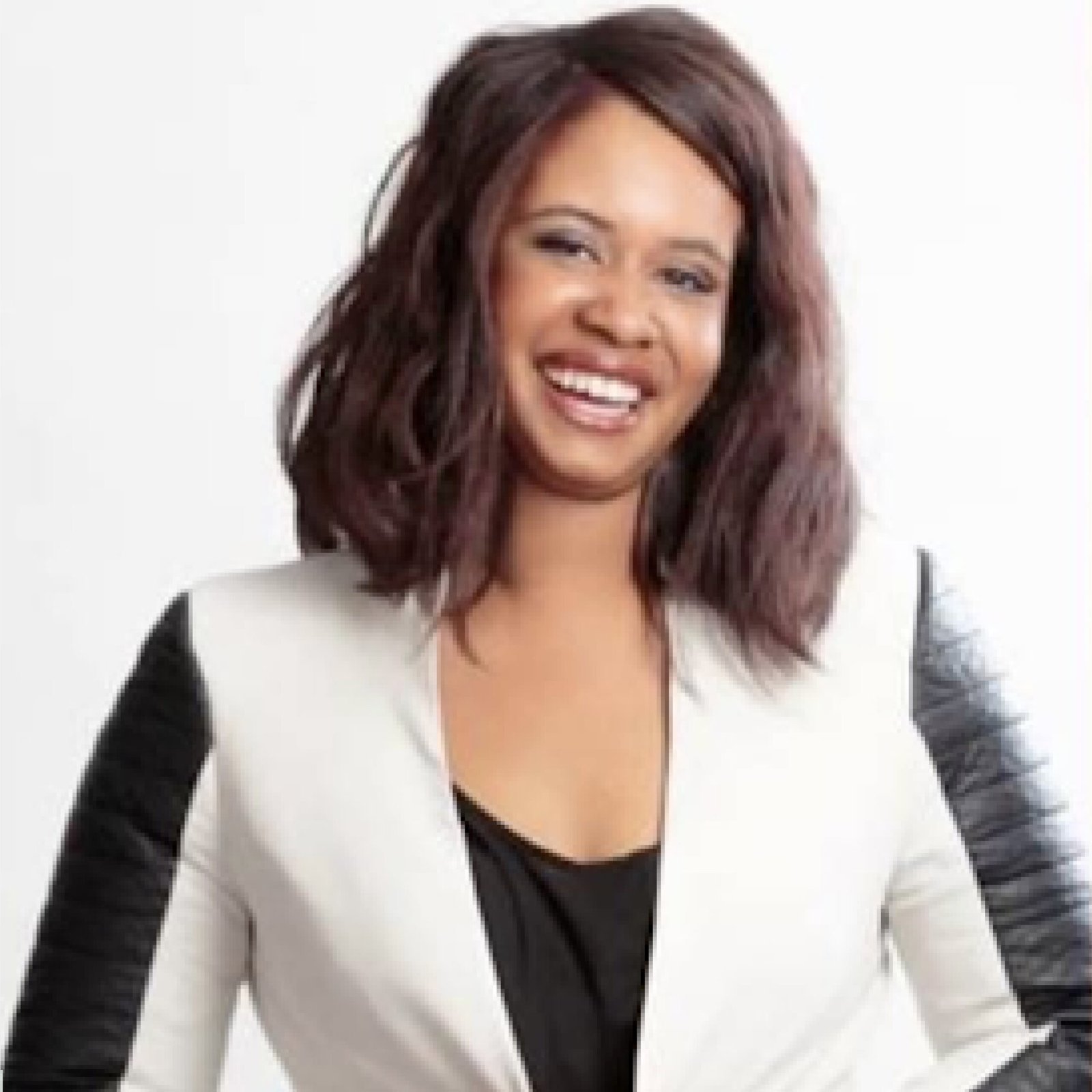
Clinical Director, LMFT
LMFT
Tiffany is a Licensed Marriage and Family Therapist and Clinical Director. She specializes in dual diagnosis, co-occurring disorders, and family systems work.
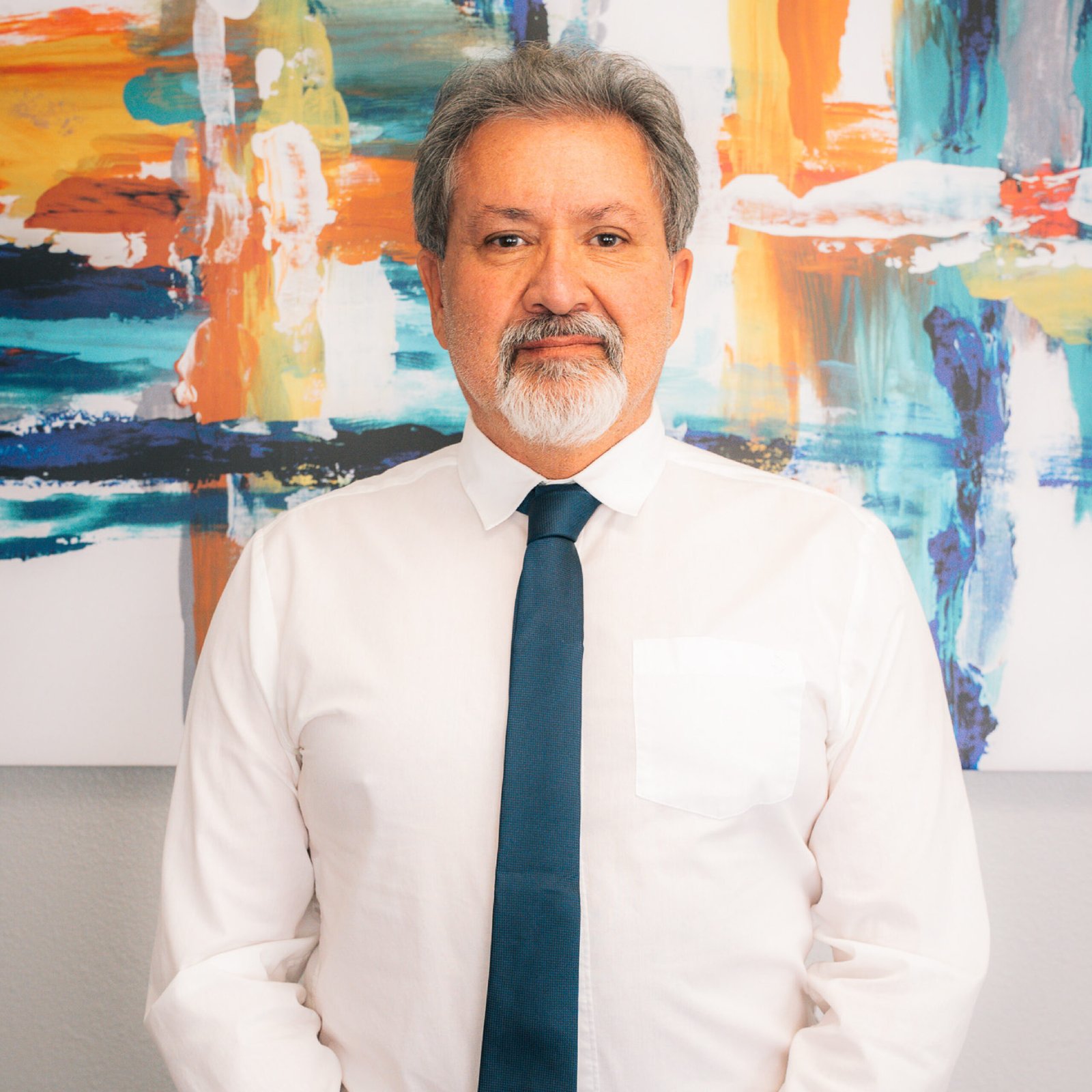
Counselor
MRAS, CSC
Mak is a Mental Health Recovery and Addiction Specialist with advanced clinical training and over a decade of experience. He supports clients through trauma, behavioral health challenges, and recovery.
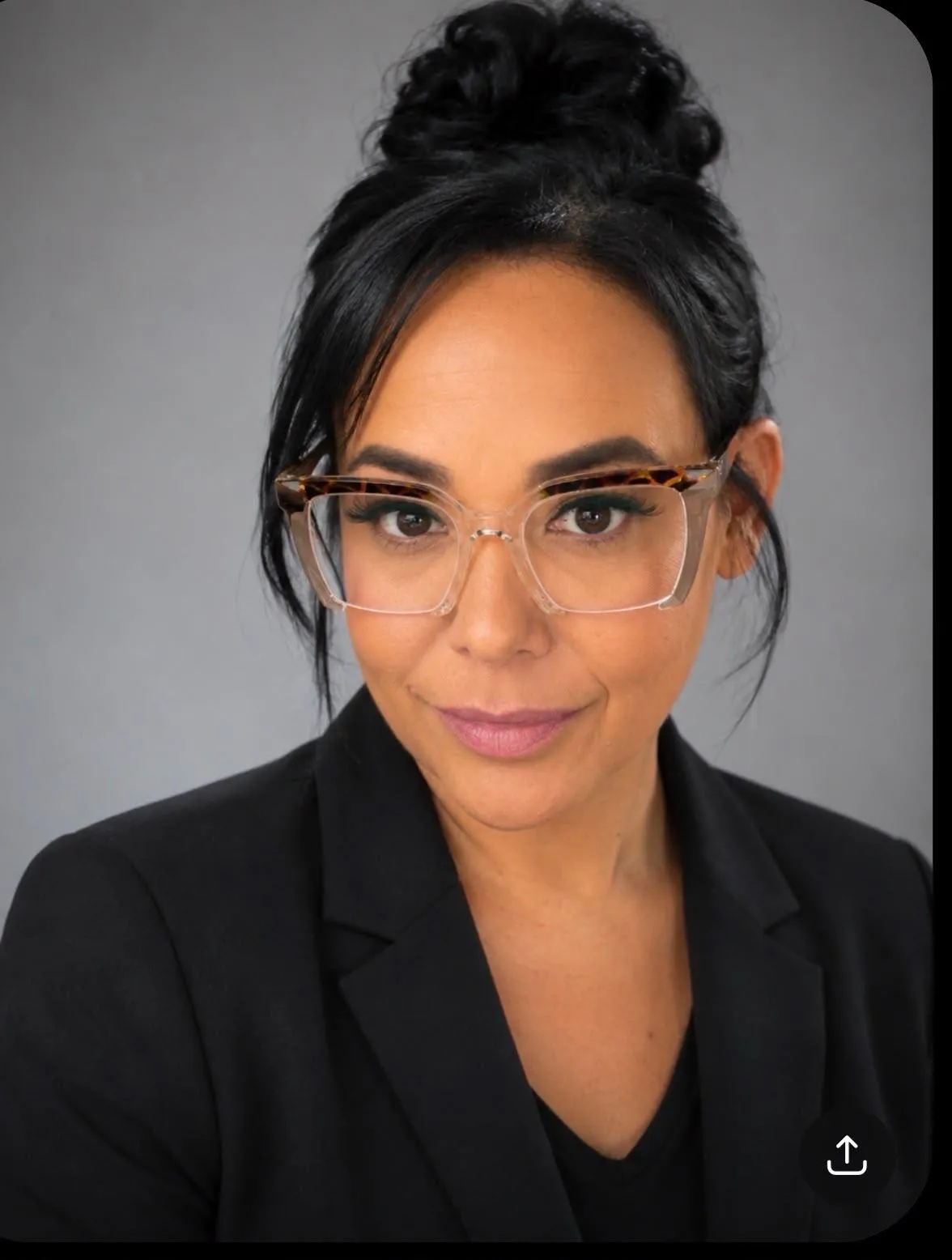
Counselor, EMDR Practitioner
APCC
Kerri is an Associate Professional Clinical Counselor and EMDR practitioner providing trauma-informed care for mental health and substance use concerns.
08 / Therapy & psychiatry
Our treatment provides focused support in a confidential and respectful setting.
Reach out to Radiant Path Therapy and Psychiatry and begin steady progress toward control, confidence, and lasting recovery.
09 / Therapy & psychiatry
Clients from across San Bernardino County and the wider Inland Empire receive ual diagnosis care at our office.
Highgrove
Colton
Rialto
Loma Linda
San Bernardino
Bloomington
Redlands
Riverside
10 / Therapy & psychiatry
ANSWERS & GUIDANCE
Dual diagnosis treatment is therapy for people experiencing both a mental health concern and a substance use disorder.
Integrated treatment, addressing mental health and substance use together through therapy, medication, and support, is the most effective approach.
Get a professional assessment, follow an integrated treatment plan, and build ongoing support through therapy, routine, and relapse-prevention care.
We work with many PPO insurance plans and provide clear information about costs before treatment begins. Our goal is to make quality care accessible and transparent.
Using substances to cope with anxiety, depression, or trauma, or noticing worsening mental health alongside substance use, are signs professional evaluation is needed.