We accept a variety of insurance plans.
Please contact us to confirm your coverage.

Radiant Path Therapy and Psychiatry · THERAPY SERVICES
Radiant Path Therapy and Psychiatry provides trauma therapy across Grand Terrace, CA, using EMDR, CBT, and a trauma-informed approach built around your pace. If old experiences still shape your sleep, your relationships, or your mood, a trauma therapist can help you calm your body’s stress response and feel steady again. Start with a free, confidential consultation.
01 / Therapy & psychiatry
Trauma often shows up in sleep, mood, or how safe you feel around people you trust, not always as one clear memory. A trauma-informed therapist can help you connect those patterns back to where they started.
01
Your body may stay prepared for danger even when nothing is wrong. This looks like restlessness, snapping at small things, or feeling tired no matter how much you rest. Trauma-informed therapy retrains your nervous system to recognize when you’re actually safe.
02
A sound, a smell, or a stray comment can pull you back into fear that feels bigger than the moment calls for. That reaction isn’t a flaw. It’s your brain protecting you from something that already happened. Therapy helps your brain learn the danger has passed.
03
Trauma keeps part of your nervous system on watch, even at night. You might fall asleep fine and still wake up exhausted. As treatment progresses, deep rest usually returns before anything else does.
04
Some people stop feeling much of anything, good or bad, as a way to survive. It can flatten relationships and drain motivation. Trauma healing rebuilds that connection slowly, so feeling things again doesn’t feel unsafe.
05
When someone has hurt you, staying guarded can feel like the only safe option. Trauma recovery gives you tools to set boundaries and say what you need without bracing for the worst.
02 / Therapy & psychiatry
Every plan is built around the type of trauma you’re carrying and how it shows up in your daily life.
01
Childhood trauma often shapes how safe you feel in relationships long before you’re old enough to name what happened. In session, you work through those early memories at a pace your body can handle, often using EMDR, so old fears stop steering adult decisions.
02
One overwhelming event can leave your body braced for danger long after it’s over. Treatment processes that single experience directly, helping your nervous system finally register that the threat has passed.
03
Repeated stress builds trauma slowly, which is part of why it’s often missed. Treatment lowers your baseline stress level so daily life stops feeling like a fight.
04
Hard years during childhood or adolescence can quietly set beliefs about safety and self-worth. Together, you identify those beliefs and build ones that actually hold up.
05
If closeness feels risky or trust doesn’t come easy, attachment trauma is often underneath it. You’ll rebuild the ability to stay connected without losing yourself.
06
Painful relationships leave marks that show up in new ones. Working through what happened here means setting boundaries and speaking up instead of shutting down.
07
Past relationships can leave you doubting your own judgment. Trust gets rebuilt here, starting with yourself, then extending to the people you choose to let close.
08
Abuse from someone close can shake your sense of safety at its root. Your therapist helps you rebuild confidence and reclaim control over your own life.
09
Repeated emotional harm chips away at self-trust in ways that are hard to point to. Naming what happened comes first, then rebuilding the confidence it wore down.
10
Sexual trauma can make intimacy and trust feel out of reach. Safety comes first here, then healing follows at whatever pace feels right for you.
11
Neglect often leaves an absence rather than a clear memory, which makes it easy to overlook. We name that absence directly and help you build the self-care skills you may never have been taught.
12
A history of people leaving can train your nervous system to expect it again, even in stable relationships. You’ll work directly with that fear until security starts to feel believable.
13
A sudden or violent loss adds shock on top of grief, making the loss hard to process through grief alone. Both get addressed together, so you can grieve and keep moving at the same time.
14
When grief won’t resolve, unprocessed trauma is often tangled up in it. Sessions separate the two, so you can honor what you lost without staying stuck.
15
Constant scanning for danger, even in safe moments, is common after trauma. Your body relearns what safety feels like through steady, guided work
16
A dysregulated nervous system treats small stress like a real threat, often without your permission. That response gets retrained here, so ordinary days stop feeling like emergencies.
17
Trauma lives in the body as much as in memory, often as tension you’ve stopped noticing. Somatic therapy works with that tension directly and pairs well with EMDR for lasting results.
18
EMDR uses guided eye movements to help your brain reprocess memories that got stuck. You don’t need to describe every detail out loud, which makes it effective even for memories that feel too heavy to talk through. At Radiant Path Therapy and Psychiatry, EMDR is provided by Briana Fisher, AMFT, EMDR.
03 / Therapy & psychiatry
Trauma treatment moves through three phases, not a single conversation. Each one builds on the last, so progress feels steady rather than rushed, and your clinician adjusts the pace based on how you’re actually doing, not a fixed schedule.
01
Early sessions focus on building trust and understanding how trauma shows up in daily life, relationships, sleep, and emotional reactions. This stage often includes somatic techniques to help the body feel less braced and more at ease before deeper work begins.
02
You learn practical tools to manage triggers and stay grounded in stressful moments, working with clinicians like April Barragan using CBT and DBT-based techniques, so daily life starts to feel more predictable.
03
With safety established, painful memories are addressed directly, often through EMDR with Briana Fisher, at a pace you control. The goal is to reduce the memory’s emotional charge so it stops dictating present-day reactions.
This entire process starts with the same simple first step as any service: a free consultation, available 7 days a week, with insurance benefits verified within 24 hours so you know what to expect before you begin.
04 / Therapy & psychiatry
Deborah Sutton, our Lead Clinician and Program Manager, leads a team with 10+ years of combined clinical experience in trauma care. Radiant Path Therapy and Psychiatry is DHCS certified (#360174AP) and has supported 200+ clients through our trauma recovery program, with clients regularly naming Deborah and Samantha for the quality of their care.
Same-day and same-week appointments mean no long wait to start. If trauma is tied to something like co-occurring addiction, you won’t need a separate referral. Outpatient, IOP, and PHP levels of care, plus telehealth trauma therapy, all live under one roof here.
05 / Therapy & psychiatry
We work with a variety of insurance providers to help make trauma treatment accessible and affordable. Our team will verify your benefits and walk you through your coverage before you begin, so you can focus on healing without added financial stress.





MEASURABLE RECOVERY
Trauma doesn’t only live in memory, it often surfaces in the body, in relationships, and in the way everyday moments become harder to carry. Here’s how clients reflect on their own healing journey working through it with our trauma therapists.
OUR TEAM

Associate Clinical Social Worker
LPT, ASW, MSW
Melissa Rubalcava is an Associate Clinical Social Worker dedicated to helping individuals and couples navigate anxiety, trauma, identity challenges, and relationship stress.

Marriage & Family Therapist Associate
AMFT, EMDR
Briana Fisher is an Associate Marriage and Family Therapist committed to supporting individuals, couples, and families facing trauma, emotional distress, and relationship challenges.
Marriage & Family Therapist Associate
MRAS, CSC
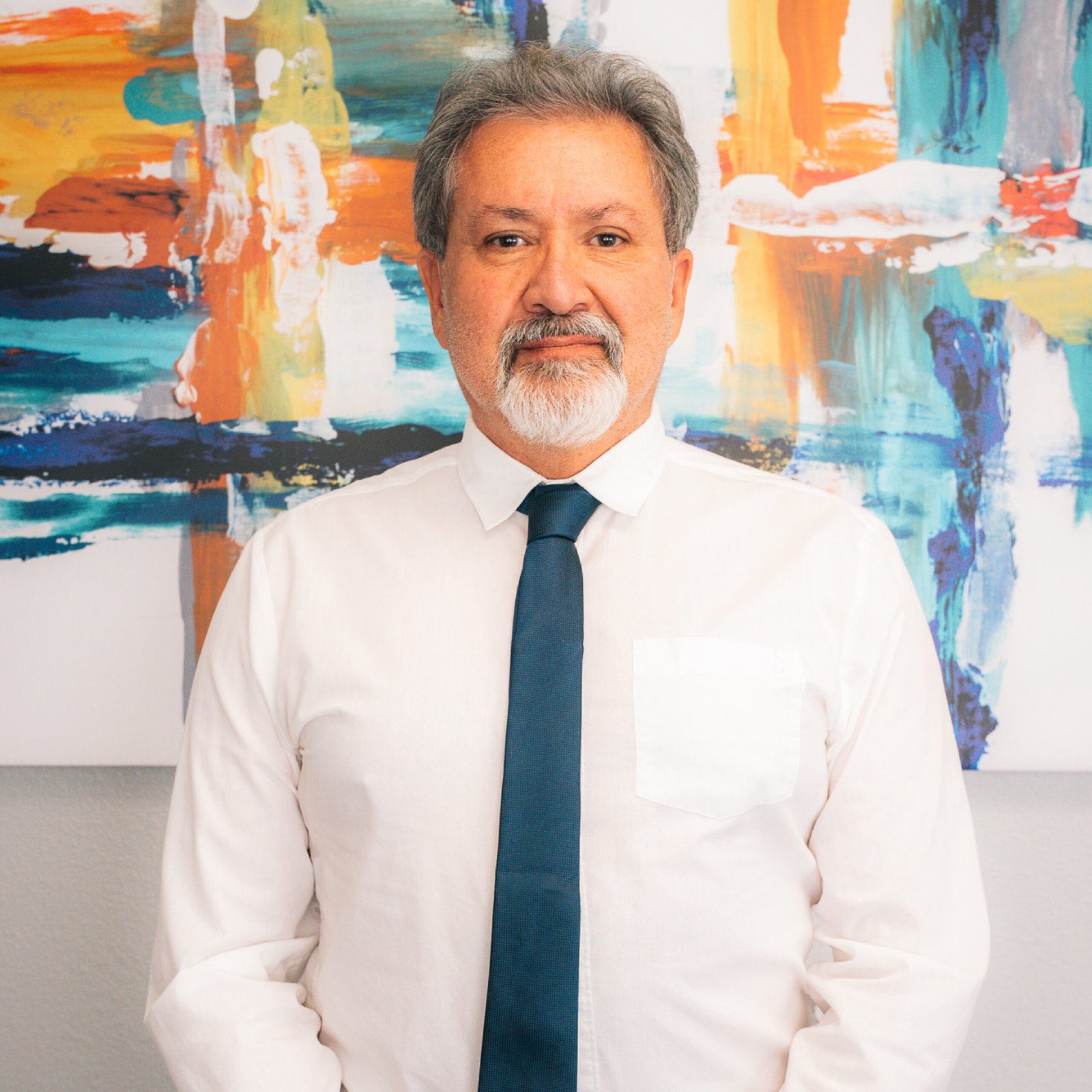
Mak Ehtesham is a Mental Health Recovery and Addiction Specialist with a doctoral degree in Applied Clinical Psychology and more than a decade of experience in behavioral health.
Program Manager & Trauma Specialist
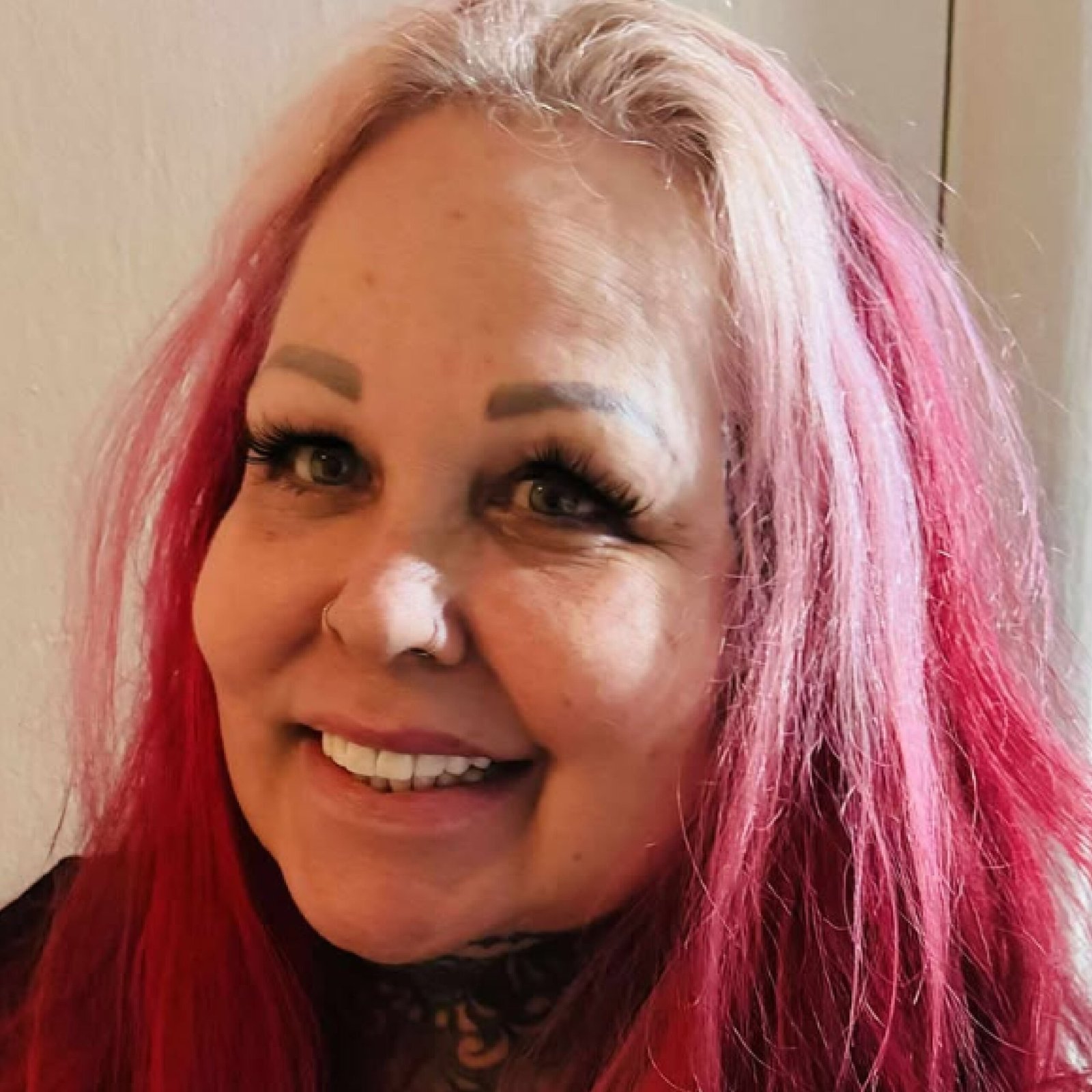
Deborah Sutton serves as the Program Manager at Radiant Path Therapy and Psychiatry and plays a central role in shaping the client experience.

Clinical Director
LMFT
Tiffany Komba is a Licensed Marriage and Family Therapist and the Clinical Director at Radiant Path Therapy and Psychiatry.

Associate Professional Clinical Counselor
APCC, EMDR Practitioner
My name is Kerri Reynolds and I am an Associate Professional Clinical Counselor (APCC) and EMDR practitioner with specialized experience providing trauma-informed care to individuals navigating a wide range of mental…

Associate Professional Clinical Counselor
ACSW, EMDR Practitioner
I bring a strong clinical foundation working with children, adolescents, adults, and families, along with experience providing trauma informed, evidence based care in diverse settings.

Associate Therapist
AMFT, APCC
Samantha, AMFT & APCC, supports life transitions, trauma, and stress using CBT/DBT, offering compassionate care to build insight, resilience, and confidence.
08 / Therapy & psychiatry
If trauma is still running your sleep, your work, or your relationships, you don’t have to wait for things to get worse. Radiant Path Therapy and Psychiatry offers same-day and same-week trauma therapy in Grand Terrace, CA, in person or through telehealth trauma therapy. Reach out today and talk to a trauma therapist who will actually listen.
09 / Therapy & psychiatry
Clients from across San Bernardino County and the wider Inland Empire receive trauma care at our office.
Highgrove
Colton
Rialto
Loma Linda
San Bernardino
Bloomington
Redlands
Riverside
ANSWERS & GUIDANCE
Reach out to Radiant Path Therapy and Psychiatry by phone or email.
If past experiences continue affecting mood, sleep, focus, or relationships, trauma therapy may help. An initial consultation provides clarity and recommendations based on current challenges and goals.
Trauma-informed therapy means your clinician actively accounts for how trauma affects trust, pacing, and safety, instead of treating symptoms on their own. EMDR and somatic therapy are often used alongside it for that reason.
Yes. EMDR is a well-researched, evidence-based treatment for trauma and anxiety, and many adults notice relief faster than with talk therapy alone.
Yes. All services follow strict privacy and legal standards. Information is protected and shared only when required by law.
Yes. Telehealth trauma therapy works as well as in-person care for most adults, especially with EMDR and CBT. Radiant Path Therapy and Psychiatry offers telehealth sessions with the same clinicians who see clients in person.
10 / Therapy & psychiatry
Have a question? We’re here to help.
If you're in crisis right now, call or text 988 (Suicide & Crisis Lifeline) or go to your nearest emergency room.