We accept a variety of insurance plans.
Please contact us to confirm your coverage.

Radiant Path Therapy and Psychiatry · THERAPY SERVICES
When anxiety causes daily worry and physical tension, even simple tasks start to feel impossible. Radiant Path Therapy and Psychiatry offers anxiety treatment in Grand Terrace, CA, with in-person visits and secure online sessions.
Care here combines two kinds of expertise. Licensed therapists teach practical skills to calm worry and face fears, and psychiatrists prescribe medication when panic attacks or daily worry become severe. Many clients begin with therapy and add a psychiatric evaluation later if symptoms remain intense.
We treat adults and teens facing many forms of anxiety, from diagnosed disorders to everyday stress that has started to affect daily life.
People with GAD worry about everyday matters most days and find it hard to stop. The worry often comes with muscle tension and trouble focusing. It usually lasts for months and shifts from one concern to the next.
A sudden rush of adrenaline brings a racing heart, chest tightness, or shortness of breath that feels like a medical emergency. Many people start avoiding places linked to a past attack, and that avoidance is where treatment begins.
An intense fear of being judged or embarrassed around others. It often causes blushing, a shaky voice, or a feeling of being watched. Avoiding social situations tends to make the fear stronger over time.
An extreme fear of one object or situation, such as flying, heights, or needles. The fear leads to avoidance far beyond the actual risk.
Separation anxiety isn't only a childhood issue. In adults, it appears as deep worry and distress when apart from a partner, child, or caregiver, often linked to early attachment patterns.
Persistent worry about having a serious illness, even after medical tests come back clear. People often check their bodies or seek reassurance again and again. Many people call it health anxiety.
Unwanted, intrusive thoughts paired with rituals meant to make the anxiety go away. We treat OCD with Exposure and Response Prevention (ERP), the method with the strongest research support for it.
Repetitive thought patterns that replay conversations or decisions long after they're over, draining focus and disrupting sleep.
Ongoing pressure at work or home keeps the body's stress response active. Without treatment, chronic stress slowly turns into clinical anxiety for many people.
Anxiety that hides behind perfectionism, overachievement, or a calm exterior. It's easy to miss because daily functioning looks intact from the outside.
A fight-or-flight response that activates even in safe situations, leaving the body tense and on alert. Somatic, body-based techniques help calm this response directly.
Anxious thoughts at bedtime make it hard to fall or stay asleep. Over time, the fear of not sleeping becomes its own cause of insomnia.
Our licensed therapists use structured methods that research supports for anxiety, often combining two or more in one plan.
CBT works on the connection between thoughts, emotions, and behaviors. Changing unhelpful thinking patterns is often the fastest path to reducing anxiety symptoms.
A gradual, guided approach that reduces fear responses safely over time. Especially effective for panic disorder, phobias, and social anxiety, with ERP used specifically for OCD.
Builds awareness of anxious thoughts without being controlled by them, a strong option for those who want a mindfulness-focused approach.
ACT helps you build a healthier relationship with anxious thoughts instead of fighting them, using mindfulness and values-based action to reduce avoidance and increase day-to-day flexibility.
Used when anxiety is connected to past trauma or distressing experiences. EMDR helps the brain process those memories so they stop triggering intense reactions.
Medication lowers how strong anxiety feels day to day. This makes it easier to use the skills you learn in therapy. Psychiatrists recommend medication based on your type of anxiety, because each type responds differently. Most medications take a few weeks to work fully, and relief comes little by little.
The first psychiatric visit reviews your symptoms, health history, and daily routine. Our psychiatrists pinpoint the type of anxiety involved and check for medical factors like thyroid problems or caffeine that can mimic it. We also screen for related conditions such as depression or ADHD. With a clear diagnosis in place, we decide together whether medication is the right step.
Some people come to us already taking anxiety medication that isn't helping enough or causes side effects. We review the prescription and adjust the dose or switch to a more suitable option. When standard medications have not worked, our psychiatrists also offer advanced treatment options for anxiety that is difficult to treat.
People who start medication with us return for regular visits to track progress and address side effects early. Once symptoms are stable, we plan a safe way to lower or stop medication.
Therapy and psychiatric care follow one shared plan when you receive both. Therapists and psychiatrists meet regularly to discuss your progress and any changes in anxiety symptoms. When a change in anxiety medication affects how you feel, the therapy plan adjusts with it. You never have to explain your issues twice.
We offer online therapy for anxiety and psychiatric visits through a secure video platform. People anywhere in California meet with the same licensed therapists and psychiatrists who work in our clinic. Psychiatrists prescribe and adjust medication during online visits and send prescriptions directly to your local pharmacy. Online care also helps when anxiety makes it difficult to leave home.

Getting started should not feel complicated. Four simple steps take you from your first call to your first treatment session.
1
A free consultation to discuss your symptoms, triggers, and goals, and to confirm insurance coverage before treatment begins.
2
Our therapist identifies the patterns behind your anxiety and chooses the methods that match them. We add a psychiatric evaluation when symptoms need medical attention.
3
Sessions using CBT, exposure work, or EMDR begin on a regular schedule, in the clinic or by telehealth. Psychiatric care begins right after your evaluation.
4
Every few weeks, we review how your symptoms are changing. We decide with you whether to continue therapy, add psychiatric treatment, or adjust your plan.
Early in therapy, we identify when and why anxiety appears and what keeps it going. Between visits, you track worries in a simple log, and we review it together to see which situations improve first.
Psychiatric visits track how symptoms respond to treatment and adjust care when needed. Visits become less frequent once anxiety stabilizes. Many people first notice fewer panic spikes or better sleep.
Anxiety care here starts quickly with a free consultation. Many people get an appointment at the clinic the same day they call. If symptoms later need medical attention, psychiatric care happens within the same practice, with no need to search for a new provider.
Care also fits different needs. Several therapists hold EMDR training for anxiety tied to past trauma. Teens work with clinicians experienced with adolescents, and we offer bilingual sessions for families. Clinical Director Tiffany Komba, LMFT, oversees every treatment plan, and the practice has held California DHCS certification since early 2025.
OUR TEAM
Every therapist on our team works with adults and teens on emotional and behavioral concerns, choosing approaches that fit your symptoms and goals, in person or online.

Associate Clinical Social Worker
LPT, ASW, MSW
Melissa Rubalcava is an Associate Clinical Social Worker dedicated to helping individuals and couples navigate anxiety, trauma, identity challenges, and relationship stress.

Marriage & Family Therapist Associate
AMFT, EMDR
Briana Fisher is an Associate Marriage and Family Therapist committed to supporting individuals, couples, and families facing trauma, emotional distress, and relationship challenges.
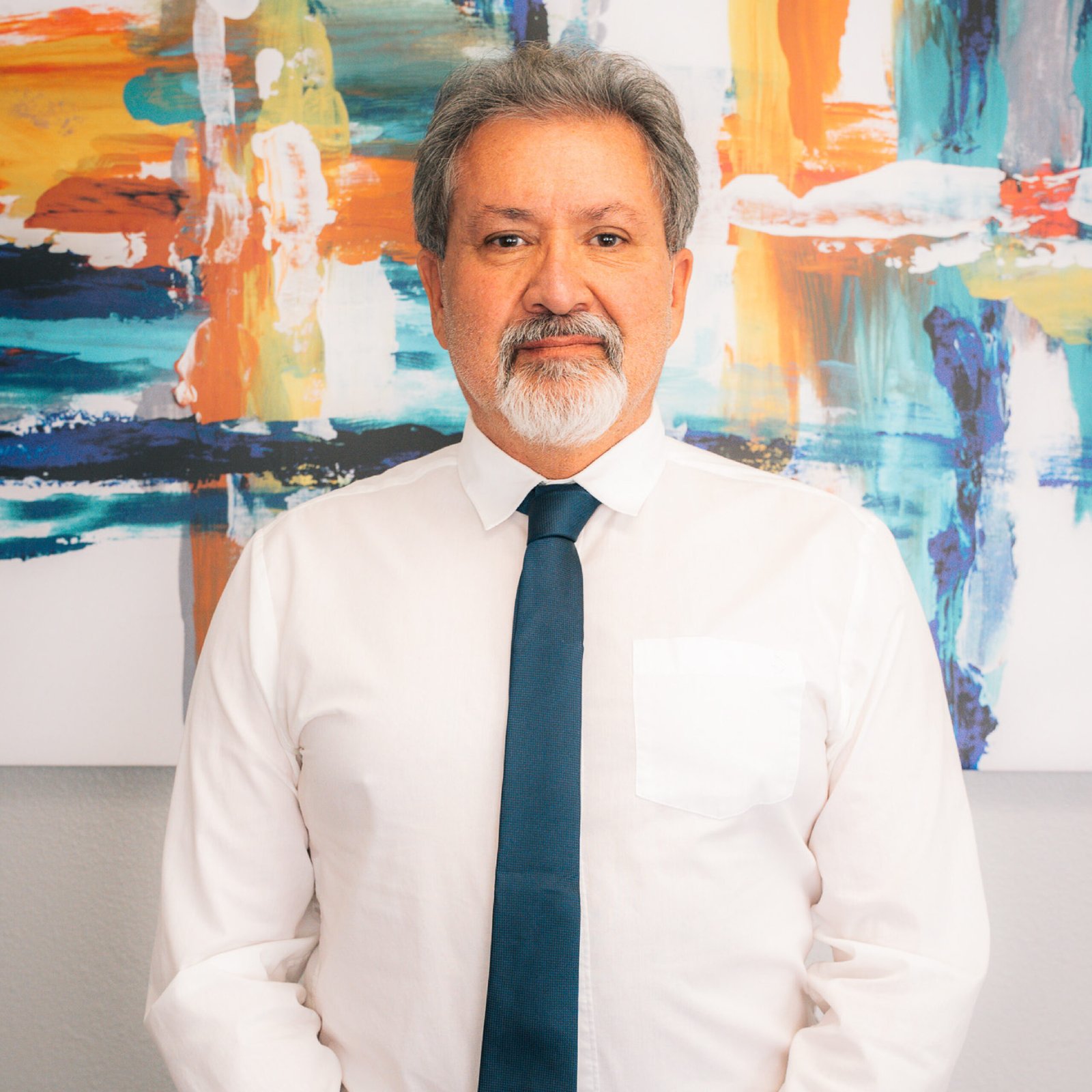
Marriage & Family Therapist Associate
MRAS, CSC
Mak Ehtesham is a Mental Health Recovery and Addiction Specialist with a doctoral degree in Applied Clinical Psychology and more than a decade of experience in behavioral health.
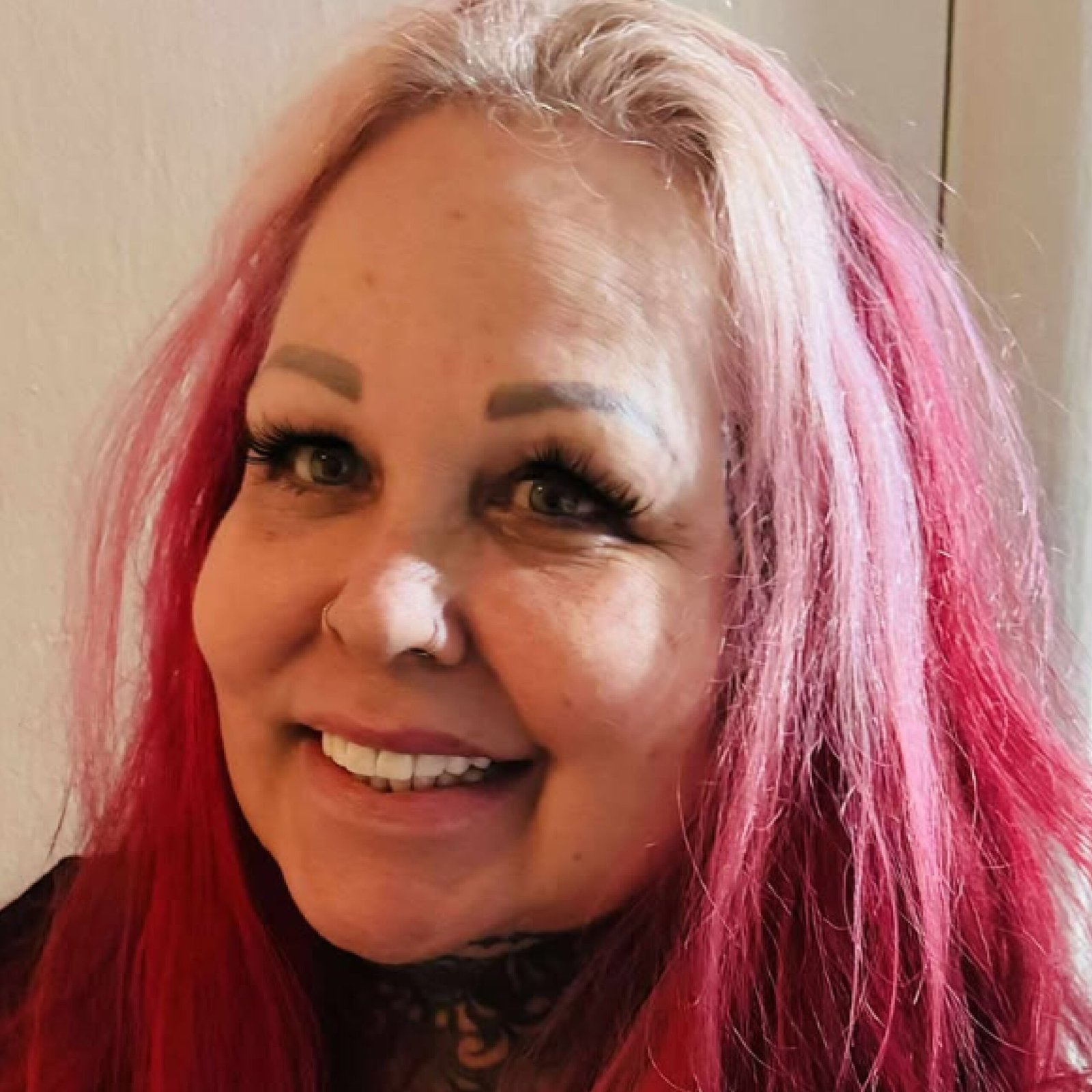
Program Manager & Trauma Specialist
Deborah Sutton serves as the Program Manager at Radiant Path Therapy and Psychiatry and plays a central role in shaping the client experience.

Clinical Director
LMFT
Tiffany Komba is a Licensed Marriage and Family Therapist and the Clinical Director at Radiant Path Therapy and Psychiatry.
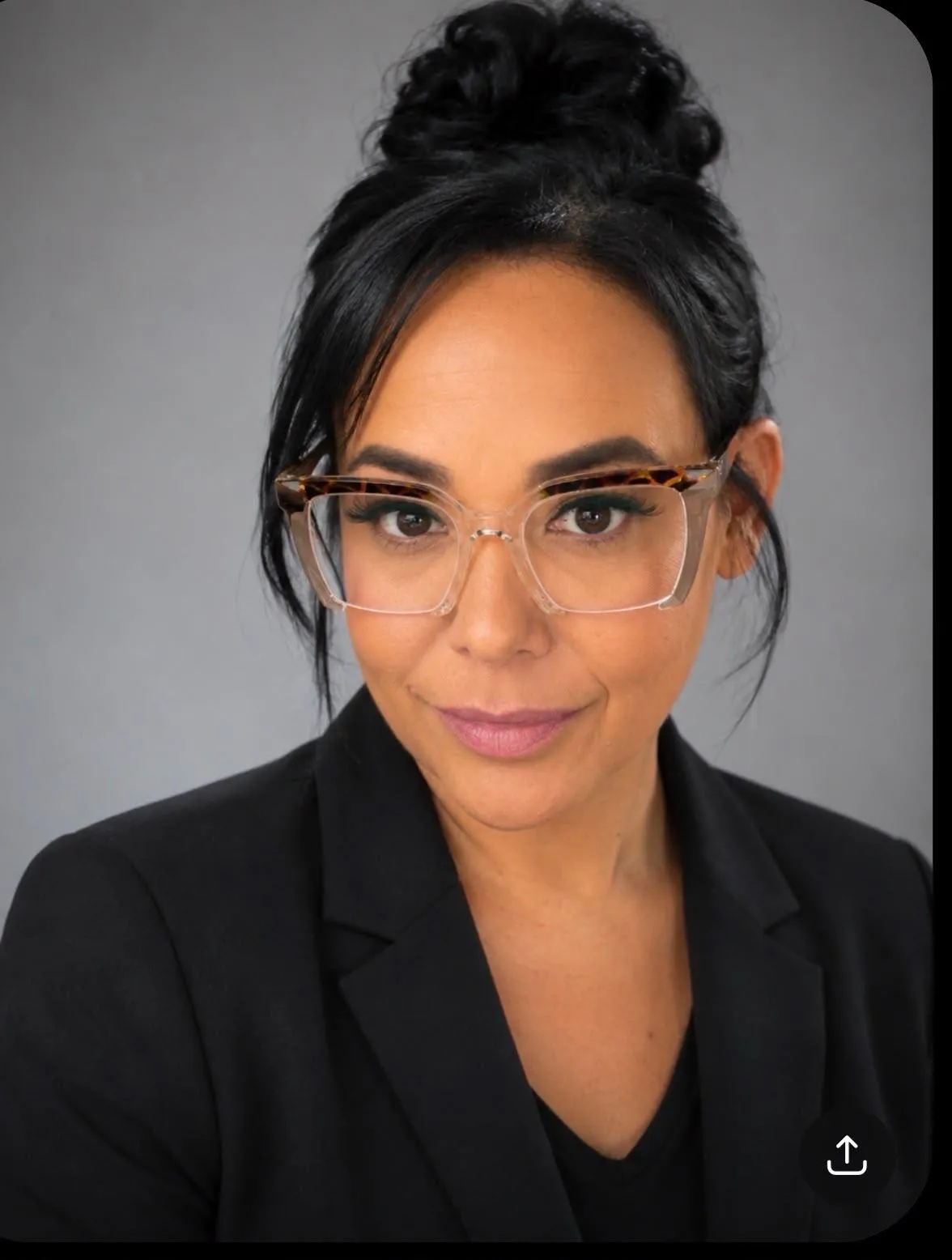
Associate Professional Clinical Counselor
APCC, EMDR Practitioner
My name is Kerri Reynolds and I am an Associate Professional Clinical Counselor (APCC) and EMDR practitioner with specialized experience providing trauma-informed care to individuals navigating a wide range of mental…

Associate Professional Clinical Counselor
ACSW, EMDR Practitioner
I bring a strong clinical foundation working with children, adolescents, adults, and families, along with experience providing trauma informed, evidence based care in diverse settings.

Associate Therapist
AMFT, APCC
Samantha, AMFT & APCC, supports life transitions, trauma, and stress using CBT/DBT, offering compassionate care to build insight, resilience, and confidence.
OUR TEAM
Psychiatrists on our team diagnose mental health conditions and manage medication, coordinating with your therapist whenever you receive both forms of care.
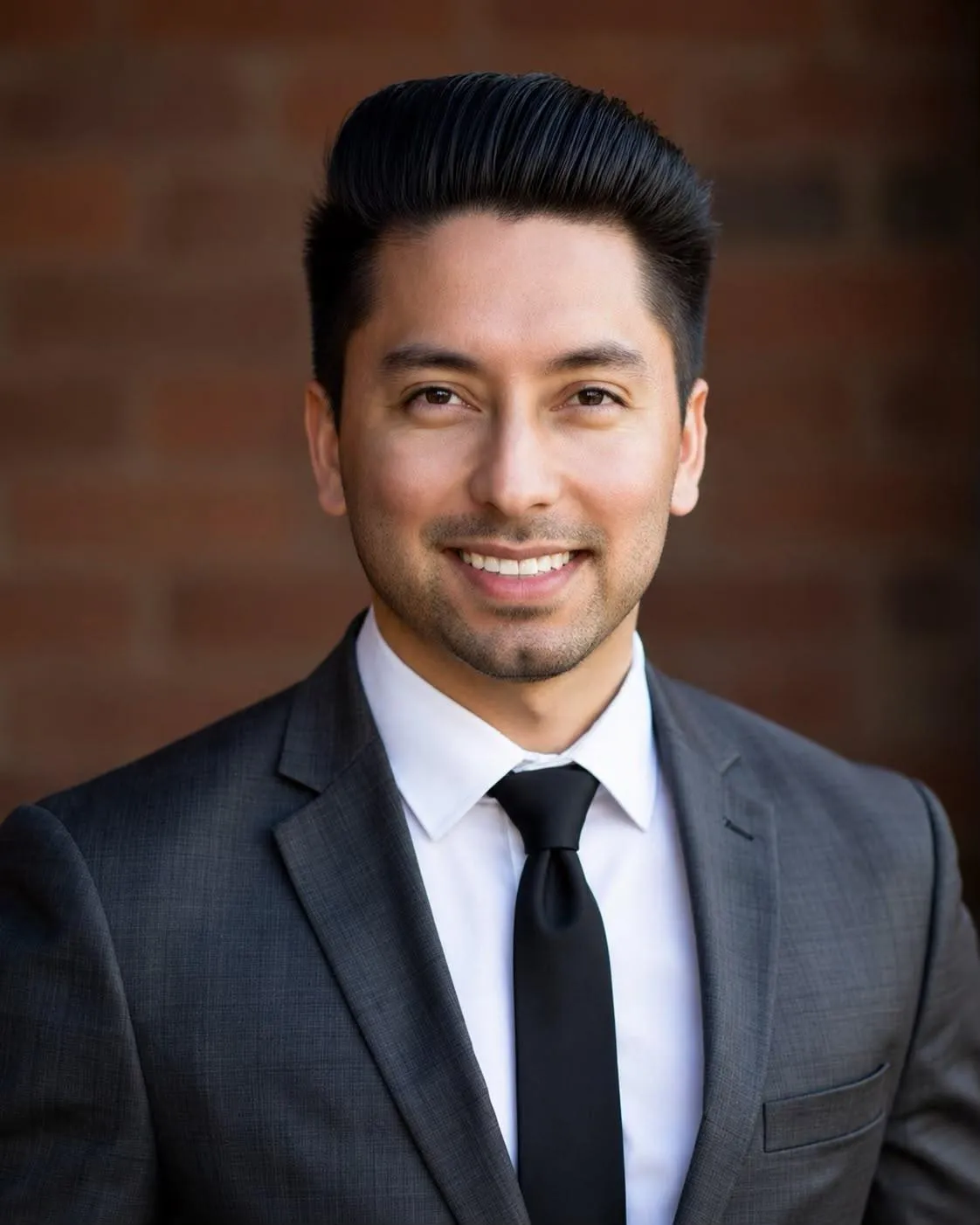
Psychiatric Nurse Practitioner
DNP, PMHNP-BC
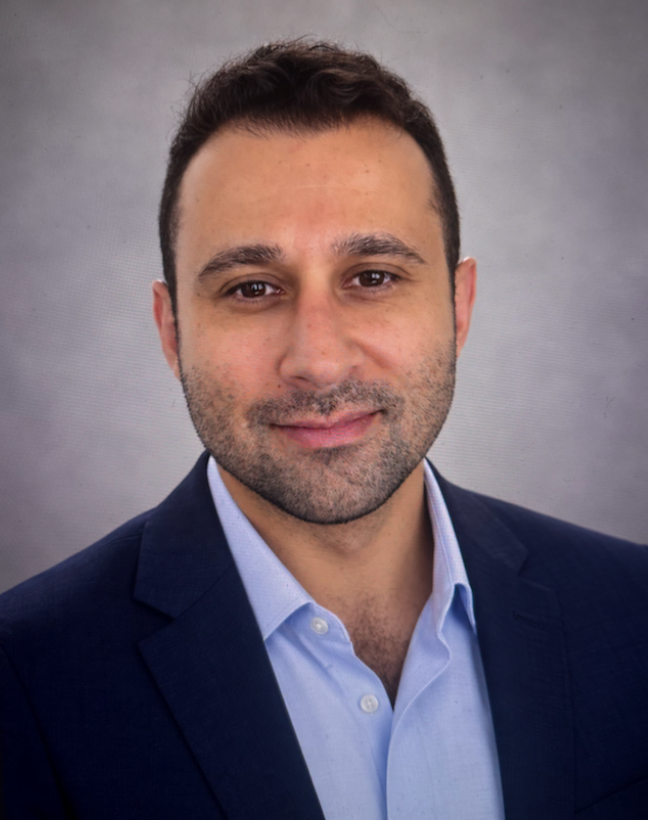
Daniel Lucero, DNP, PMHNP-BC is a board-certified psychiatric nurse practitioner and Doctor of Nursing Practice graduate of Loma Linda University.
Psychiatric Nurse Practitioner
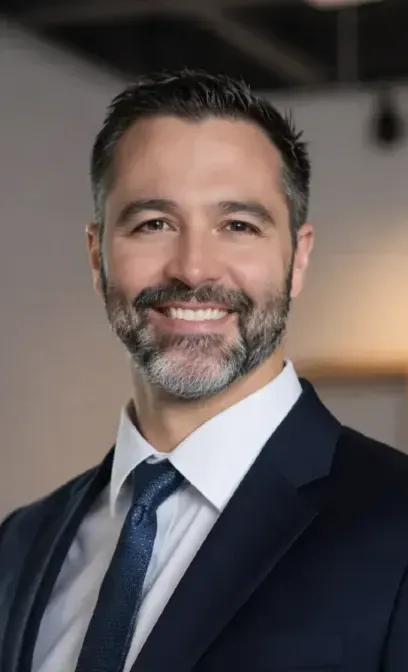
Adrian Cisneros provides compassionate psychiatric care and medication management for anxiety, depression, and ADHD, with services available in English and Spanish.
Certified Psychiatric Associate
DNP, PMHNP-BC
Justin Matar, DNP, PMHNP-BC is a board-certified psychiatric nurse practitioner trained at Loma Linda University.

Physician Assistant
PA-C, CAQ-Psychiatry
As a Psychiatry CAQ Physician Assistant, I blend urgent and general medicine with psychiatry, focusing on patient education and the physical-mental health connection.
MEASURABLE RECOVERY
Healing looks different for everyone. Here’s what clients have shared about their journey through anxiety recovery, coping, and finding calm again with our care team.
We work with several insurance providers for anxiety therapy and psychiatric care. Many plans also cover psychiatric evaluations, ongoing medication visits, and online appointments. Before your first session, we confirm your coverage at no cost and explain copay and any session limits.





You don't have to wait until anxiety gets worse to reach out. Radiant Path Therapy and Psychiatry is ready to help you start anxiety treatment in Grand Terrace, CA, today. People from Colton, Loma Linda, and Rialto visit us regularly. Call now to schedule your first visit with our team.
11 / Therapy & psychiatry
Anxiety treatment shouldn’t depend on how far you live from our clinic. Radiant Path Therapy and Psychiatry provides online therapy across California, with local, in-person access for nearby communities.
Colton, CA
Loma Linda, CA
Bloomington, CA
Rialto, CA
Redlands, CA
San Bernardino, CA
Riverside, CA
Highgrove
ANSWERS & GUIDANCE
The first step is booking an initial consultation to discuss symptoms, goals, and availability. This helps create a clear treatment plan and schedule that fits daily routines.
The timeline depends on how severe anxiety is and how long it has been affecting daily life. Some people improve within weeks, while others need longer support. Regular sessions at Radiant Path Therapy and Psychiatry help achieve steady and lasting progress.
Yes, secure online sessions are available for those who prefer support from home. Virtual appointments provide the same professional guidance as in office visits and make regular treatment easier to maintain.
Anxiety and depression frequently occur together, and many of the same evidence-based methods, including CBT, address both. During your consultation, your therapist will assess your full symptom picture and build a plan that addresses what you’re actually experiencing, not just anxiety in isolation.
Your first session focuses on understanding your symptoms, triggers, and daily challenges so your therapist can recommend the right approach, whether that’s CBT, Exposure Therapy, or another evidence-based method. There’s no obligation; it’s a chance to see if it’s the right fit before committing to a full plan.