We accept a variety of insurance plans.
Please contact us to confirm your coverage.

Radiant Path Therapy and Psychiatry · THERAPY SERVICES
Anxiety shows up differently for everyone, which is why the right treatment depends on understanding what's behind it. Radiant Path Therapy and Psychiatry provides anxiety treatment in Redlands based on your specific diagnosis, your history, and your treatment goals.
Care starts with a thorough evaluation of your symptoms and continues with therapy, psychiatric care, or both, using proven approaches like CBT, exposure therapy, and EMDR. Depending on your needs, treatment can happen in regular outpatient sessions or in a more structured program.
01 / Therapy & psychiatry
Everyone feels anxious at times, but anxiety that stays, grows, or starts affecting your daily life needs attention. Some people live with high-functioning anxiety, looking calm and successful on the outside while feeling overwhelmed inside. If one of the signs sounds familiar, it’s time to reach out for professional treatment for anxiety.
02 / Therapy & psychiatry
We use an integrated care model because anxiety affects both the mind and the body, and treating only one side often leaves symptoms behind. Our board-certified psychiatrists and licensed therapists follow one treatment plan for anxiety based on the DSM-5 diagnosis and current clinical guidelines, so therapy and medication support each other instead of pulling in different directions.
From the first call, our team matches each patient with the right starting point, based on the care their symptoms actually need. When depression or substance use is also part of the picture, we treat these co-occurring conditions in the same plan. The result is coordinated care from the first visit onward and steadier progress toward lasting relief.
03 / Therapy & psychiatry
Anxiety covers a range of related conditions, each with its own diagnosis and treatment path. Our diagnosis is what makes anxiety disorder treatment effective from the start.
01
GAD often feels like overthinking you can't switch off. The worry covers everyday things like work, health, and family, and it shows up on most days. Our generalized anxiety disorder treatment combines CBT with psychiatric care when needed.
02
Panic attacks hit suddenly, often with chest pain, dizziness, and a fear of losing control. Many people then start avoiding places where an attack happened before. With CBT and exposure therapy, our panic disorder therapists help you learn that these sensations feel frightening but aren't dangerous.
03
Social anxiety disorder brings a fear of being judged strong enough to hold back your career, studies, or relationships. Our social anxiety treatment uses individual CBT sessions to help you practice speaking up, meeting new people, and handling situations you've been avoiding.
04
Agoraphobia is a fear of places where escape feels hard, such as crowds, public transport, or open spaces. Over time, it can shrink daily life down to a few places that feel safe. Gradual exposure therapy helps you return to the stores, roads, and events you've been avoiding.
05
A specific phobia is an intense fear of one thing, such as heights, flying, needles, or animals. Even when you know the fear is out of proportion, it can stop you from boarding a plane or getting a medical test you need. Exposure therapy is the most effective treatment for specific phobias.
06
Illness anxiety disorder causes a lasting fear of having or developing a serious illness, even after medical tests come back normal. You may check your body often, search symptoms online, or seek repeated reassurance from doctors. Health anxiety treatment uses CBT to break this cycle so normal body sensations stop feeling like warning signs.
07
Separation anxiety disorder causes extreme distress about being away from parents, partners, or other loved ones, often with a fear that something bad will happen to them. It can affect both children and adults. Our team uses CBT with planned time apart, helping you feel secure when your loved ones aren't nearby.
08
Children with selective mutism speak normally at home but can't speak in places like school. This isn't shyness or a choice to stay quiet, and pushing a child to talk usually makes it harder. Our team uses behavioral therapy to build your child's confidence to speak, slowly adding more people and places where they feel comfortable talking.
09
Sometimes alcohol, drugs, certain medications, or withdrawal cause anxiety symptoms directly. Our psychiatrists review your full medical and medication history to find the trigger and treat the real cause of your anxiety.
10
Thyroid problems, heart conditions, and other health issues can produce symptoms that look exactly like an anxiety disorder. Our psychiatrists identify when a health condition is behind your anxiety and treat the symptoms it causes.
11
OCD traps people in a loop of unwanted thoughts and repeated behaviors that bring short-term relief but keep the cycle going. Exposure and response prevention (ERP) is the core of OCD treatment at our practice.
12
PTSD develops after a traumatic event and brings flashbacks, nightmares, and a feeling of always being on alert. Our PTSD treatment combines EMDR or other trauma-focused therapy with psychiatric care, and you set the pace.
04 / Therapy & psychiatry
Anxiety often shows up alongside depression or alcohol and drug use, and leaving one untreated tends to hold back progress on the other.
01
Anxiety can drain your energy, and depression can make anxious thoughts harder to manage. Our treatment for anxiety and depression addresses both in one plan.
02
When anxiety and alcohol or drug use occur together, each one can make the other worse. Our dual diagnosis treatment helps you recover from substance use while learning healthier ways to manage anxiety.
05 / Therapy & psychiatry
The first visit sets the foundation for everything that follows, from diagnosis through treatment. Here’s how the process unfolds:
01
Call or message our team to share what you've been going through. We'll answer your questions and find an appointment time that works for you.
02
Our team asks detailed questions about your symptoms and their impact. You leave the first appointment with a clear explanation and a recommended next step.
03
You and our team agree on clear goals and choose among outpatient care, IOP, or PHP, so progress is easy to measure.
04
As symptoms improve, the plan keeps changing to match your needs, and relapse prevention skills prepare you for life after treatment ends.
06 / Therapy & psychiatry
Our therapists and psychiatrists treat children, teens, and adults, with care adapted to the needs of each age group.
Younger children often can't put their feelings into words, so anxiety can be hard to spot. Our team uses age-appropriate therapy and involves parents so progress continues at home.
Many teens hear that their anxiety is part of growing up, which delays care. Our teen anxiety treatment works around school schedules and keeps parents informed while respecting their privacy.
Adults often put off getting help while managing work, family, and other responsibilities. We schedule appointments around busy routines and also offer couples therapy when anxiety affects a relationship.
07 / Therapy & psychiatry
Our licensed therapists offer evidence-based treatment for anxiety and related conditions. Each therapy method targets a different type of anxiety.
01
CBT is the most widely researched therapy for anxiety disorders. Our therapists use it to identify the thought patterns that keep anxiety going and replace them with more balanced ones. Exercises between therapy sessions help turn that progress into daily habits.
02
Avoidance makes fear stronger over time. Exposure therapy reverses that pattern through planned, gradual steps, starting with mild triggers and working toward the situations that feel hardest.
03
ERP is the first-line therapy for OCD. With a therapist's support, patients face their triggers without acting on compulsions, and the urges weaken with practice.
04
DBT builds two core skill sets, distress tolerance and emotion regulation. Our therapists add it to treatment when anxiety comes with emotional reactions that feel hard to control.
05
EMDR helps the brain reprocess traumatic memories so they lose their emotional intensity. Patients don't need to describe the trauma in detail for it to work.
08 / Therapy & psychiatry
Our anxiety psychiatrists are medical doctors who specialize in diagnosing anxiety disorders and deciding when medication can support recovery.
01
The evaluation looks at symptoms, past treatment, current medications, family mental health history, and substance use. ADHD, bipolar disorder, and depression can share symptoms with anxiety, so our psychiatrists confirm which condition is present before recommending treatment.
02
When a patient chooses medication, our psychiatrists make sure it works safely with any other medicines, watch how it helps, manage side effects, and fine-tune the dose at each follow-up.
03
Some patients have tried medication or therapy before without real improvement. Our psychiatrists review earlier treatment, find what got in the way, and recommend new options.
09 / Therapy & psychiatry
Our team recommends a level of care based on how much anxiety affects daily life. All three programs serve teens and adults, and schedules depend on each patient's condition.
01
Outpatient care includes regular therapy sessions and psychiatric visits alongside work, school, and home life. Appointments are available in our clinic or through telehealth anywhere in California.
02
IOP provides more frequent, structured therapy each week while patients continue living at home. It helps when regular sessions aren't enough but day-long care isn't needed.
03
PHP is our most intensive level of care, with full treatment days and a return home each evening. It's designed for patients who need care every day to stabilize their symptoms.

Psychiatric Nurse Practitioner
DNP, PMHNP-BC
Daniel Lucero, DNP, PMHNP-BC is a board-certified psychiatric nurse practitioner and Doctor of Nursing Practice graduate of Loma Linda University.

Certified Psychiatric Associate
DNP, PMHNP-BC
Justin Matar, DNP, PMHNP-BC is a board-certified psychiatric nurse practitioner trained at Loma Linda University.

Physician Assistant
PA-C, CAQ-Psychiatry
As a Psychiatry CAQ Physician Assistant, I blend urgent and general medicine with psychiatry, focusing on patient education and the physical-mental health connection.

Associate Clinical Social Worker
LPT, ASW, MSW
Melissa Rubalcava is an Associate Clinical Social Worker dedicated to helping individuals and couples navigate anxiety, trauma, identity challenges, and relationship stress.

Marriage & Family Therapist Associate
AMFT, EMDR
Briana Fisher is an Associate Marriage and Family Therapist committed to supporting individuals, couples, and families facing trauma, emotional distress, and relationship challenges.

Marriage & Family Therapist Associate
MRAS, CSC
Mak Ehtesham is a Mental Health Recovery and Addiction Specialist with a doctoral degree in Applied Clinical Psychology and more than a decade of experience in behavioral health.
Program Manager & Trauma Specialist
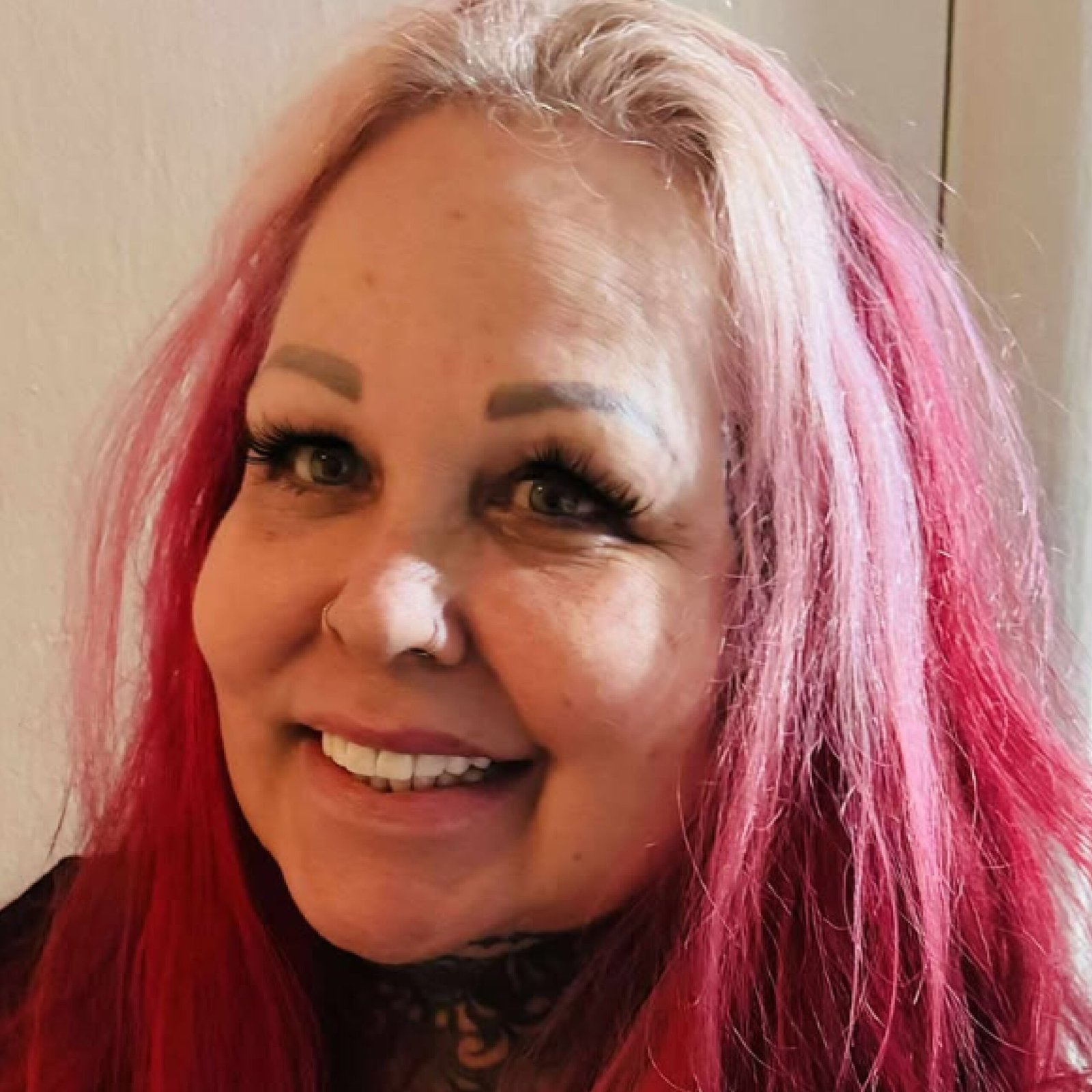
Deborah Sutton serves as the Program Manager at Radiant Path Therapy and Psychiatry and plays a central role in shaping the client experience.

Clinical Director
LMFT
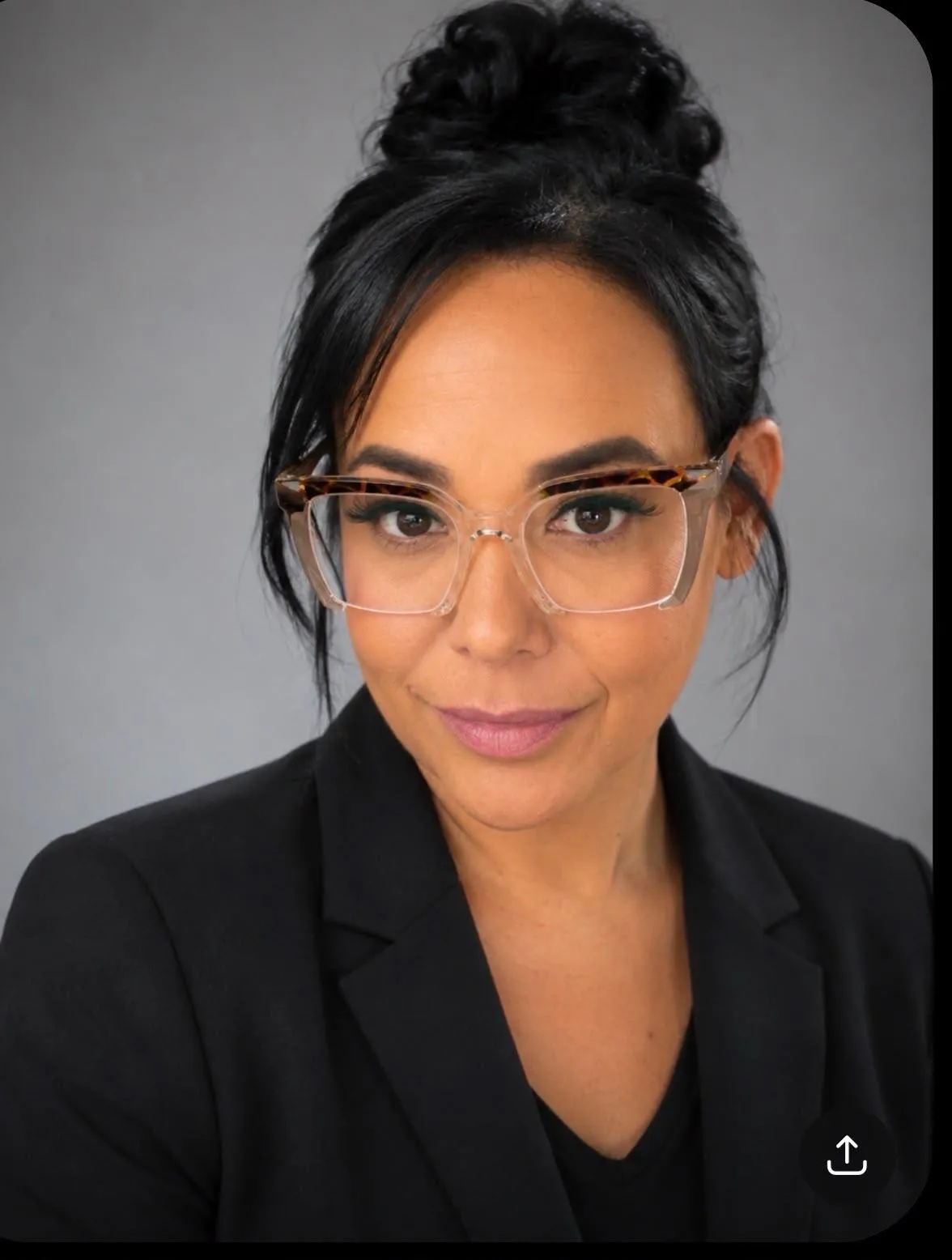
Tiffany Komba is a Licensed Marriage and Family Therapist and the Clinical Director at Radiant Path Therapy and Psychiatry.
Associate Professional Clinical Counselor
APCC, EMDR Practitioner
My name is Kerri Reynolds and I am an Associate Professional Clinical Counselor (APCC) and EMDR practitioner with specialized experience providing trauma-informed care to individuals navigating a wide range of mental…

Associate Professional Clinical Counselor
ACSW, EMDR Practitioner
I bring a strong clinical foundation working with children, adolescents, adults, and families, along with experience providing trauma informed, evidence based care in diverse settings.

Associate Therapist
AMFT, APCC
Samantha, AMFT & APCC, supports life transitions, trauma, and stress using CBT/DBT, offering compassionate care to build insight, resilience, and confidence.
11 / Therapy & psychiatry
Same-day admission is available, so getting help doesn't mean a long wait. Our team includes trauma-specialized therapists, and every approach we use is evidence-based and backed by clinical research.
Patients can move between PHP, IOP, and outpatient care as their needs change while staying with the same psychiatrist and therapist, without starting over or repeating their history. Our practice treats children, teens, and adults, including couples, so families and partners can get anxiety care in one place.
This combination helps patients gain clarity, find emotional balance, and move toward long-term healing.
12 / Therapy & psychiatry
A range of insurance plans is accepted, alongside transparent self-pay pricing for patients who prefer not to use insurance or whose plan isn’t in-network. Before the first appointment, our team verifies benefits directly with the insurance provider, so patients know their copay, deductible status, and what’s actually covered before treatment begins.





13 / Therapy & psychiatry
Patients from these neighboring communities can reach our office with a short drive, making specialized anxiety care easy to access close to home.
Loma Linda
Yucaipa
Highland
Mentone
San Bernardino
Colton
Grand Terrace
Calimesa
Beaumont
Real stories of emotional stabilization, symptom reduction, and newfound clarity achieved through collaborative care.
15 / Therapy & psychiatry
You don't need to wait until anxiety feels serious enough to ask for help. Contact Radiant Path Therapy and Psychiatry to schedule a confidential appointment for anxiety treatment in Redlands. There's no commitment to ongoing care, and HIPAA protects everything you share with us.
If you're in crisis or having thoughts of harming yourself, call or text 988 or go to the nearest emergency room right away.
ANSWERS & GUIDANCE
An anxiety disorder is a mental health condition in which fear or anxiety is excessive, lasts over time, and gets in the way of daily life. Unlike everyday stress, it usually doesn't improve without treatment.
There isn't one approach that works for everyone. The most effective treatment depends on the specific diagnosis, how severe the symptoms are, and whether other conditions are present.
Yes. Many patients improve with therapy alone, and you decide whether medication becomes part of the plan.
Yes. Our therapists use CBT to address both anxious thoughts and depressed mood, while our psychiatrists recommend treatment that helps with both conditions.
Therapy alone often works for mild to moderate anxiety. Psychiatric care helps when symptoms are severe, come with another condition like depression, or don't improve with therapy.
It varies from person to person. Our psychiatrists consider the diagnosis, health history, and any other medications before discussing options with you.
Every patient responds to medication differently. Let our psychiatrists know about any side effects or changes in how you feel so they can adjust treatment.
The main difference is time and intensity. IOP fits around work or school, while PHP temporarily replaces them so you can focus fully on treatment.
Yes. Anyone in California can attend online anxiety therapy and psychiatric appointments through telehealth.