We accept a variety of insurance plans.
Please contact us to confirm your coverage.

Radiant Path Therapy and Psychiatry · THERAPY SERVICES
When daily life starts to feel harder than it should, the right level of mental health treatment can help bring clarity, relief, and a sense of control again. Intensive Outpatient (IOP) and Partial Hospitalization (PHP) programs in Grand Terrace, CA provide strong mental health support without overnight stays. People attend therapy, learn simple ways to cope, and get a clear plan for what comes next. They can keep going to work, care for family, and handle daily tasks while slowly feeling more steady and in control again.
01 / Therapy & psychiatry
When symptoms begin to affect work relationships or daily routines it may be time to consider a higher level of care. IOP or PHP programs offer regular therapy clear guidance and coping skills. This approach helps improve emotional control supports daily function and reduces the chance of symptoms becoming more severe over time.
01
If daily life feels harder than it used to, it may be a sign that more support is needed. Losing focus, feeling drained, or pulling away from people can happen gradually. Intensive Outpatient (IOP) and Partial Hospitalization (PHP) programs in Grand Terrace, CA offer focused care, structure, and guidance to help rebuild stability while staying connected to work, family, and everyday routines.
02
Mood swings that come out of nowhere. Panic that hits without warning. Days that feel calm one moment and overwhelming the next. Living like this can feel unstable and exhausting. IOP and PHP treatment offer consistent therapy, practical coping skills, and real accountability. This level of guide helps stabilize emotions early, often preventing symptoms from growing into a crisis and restoring a stronger sense of control.
03
Mental health therapy can sometimes feel stuck, especially if relapse risk begins to rise or coping skills stop working. Additional structure rebuilds accountability and strengthens routine. IOP/PHP clinical services provide ongoing monitoring, skill building, and clinical care that protect long-term recovery and confidence.
04
Many people experience both emotional distress and substance use. Intensive outpatient and partial hospitalization programs provide a treatment plan that helps symptom control and relapse prevention.
02 / Therapy & psychiatry
01
Depression can slowly take away energy, focus, and hope, making work, relationships, and daily life feel harder. Intensive outpatient and partial hospitalization treatment helps improve motivation, emotional balance, and daily functioning. Therapy focuses on real-life coping skills, behavior change, and long-term recovery so life begins to feel more manageable and meaningful again.
02
Constant anxiety or panic can control daily decisions and limit independence. Intensive treatment targets triggers, avoidance, and physical symptoms while building confidence step by step. This level of guidance helps reduce fear, improve emotional control, and support a return to normal routines, social life, and responsibilities with greater stability.
03
Unresolved trauma can affect sleep, relationships, and emotional safety. IOP and PHP programs provide a safe, structured environment to process trauma gradually. This approach helps reduce flashbacks, strengthen emotional regulation, and improve resilience so individuals feel more secure, connected, and in control of their daily lives.
04
Substance use often increases during emotional stress or life transitions. Integrated treatment addresses both mental health and substance-related challenges together. Our therapists focuses on triggers, accountability, and relapse prevention planning. This support helps build healthier routines, stronger decision-making, and long-term stability while protecting recovery progress.
03 / Therapy & psychiatry
01
This program fits adults who feel stuck despite trying therapy before. Persistent anxiety, depression, or trauma often need more structured treatment to break patterns. Those struggling with anxiety or depression gain coping tools, emotional regulation skills, and steady professional help, helping improve symptom control and emotional regulation, focus, and return to meaningful daily functioning with renewed confidence.
02
Ambition often brings constant deadlines, high expectations, and very little room to slow down. Busy professionals push through stress, burnout, or anxiety while trying to protect their careers and privacy. Intensive Outpatient (IOP) and Partial Hospitalization (PHP) programs offer flexible, confidential treatment. This support helps maintain performance, rebuild emotional balance, and manage stress without stepping away from important responsibilities.
03
After higher levels of treatment, many people feel proud of their progress but also unsure about what comes next. Daily structure suddenly changes, and that shift can feel stressful. Ongoing therapy during this transition helps protect recovery, rebuild routine, and support emotional balance while slowly returning to work, family, and everyday responsibilities with more confidence.
04
With dual diagnosis and co-occurring disorders, it can feel like a constant back and forth. Emotional pain may lead to substance use, and substance use can make mental health symptoms worse. Treating both together helps break this cycle, build healthier coping skills, reduce relapse, and create a more stable and balanced daily life.
04 / Therapy & psychiatry
People choose our IOP and PHP programs because treatment is focused on real daily challenges. Each plan is based on a full clinical assessment and clear goals. Licensed therapists provide evidence based therapy and skill building to improve emotional control, focus, and daily functioning. Care is practical and results driven.
Flexible scheduling helps clients attend treatment while managing work, school, and family needs. Programs include individual therapy, group sessions, and psychiatric support when needed. This approach strengthens coping skills, supports routine, and builds healthier habits that improve long term mental health and stability.
Confidential and professional services create a safe space for recovery. Ongoing progress reviews help adjust care as needs change. This consistent clinical process improves outcomes, supports lasting change, and helps clients move forward with confidence.
05 / Therapy & psychiatry
Coverage questions come up early with IOP and PHP, since these levels of care involve more structured support than weekly sessions. Our team works with a wide range of insurance providers, and our team reviews your plan before you start so you know exactly what’s covered.





OUR TEAM

Associate Clinical Social Worker
LPT, ASW, MSW
Melissa Rubalcava is an Associate Clinical Social Worker dedicated to helping individuals and couples navigate anxiety, trauma, identity challenges, and relationship stress.

Marriage & Family Therapist Associate
AMFT, EMDR
Briana Fisher is an Associate Marriage and Family Therapist committed to supporting individuals, couples, and families facing trauma, emotional distress, and relationship challenges.

Marriage & Family Therapist Associate
MRAS, CSC
Mak Ehtesham is a Mental Health Recovery and Addiction Specialist with a doctoral degree in Applied Clinical Psychology and more than a decade of experience in behavioral health.
Program Manager & Trauma Specialist
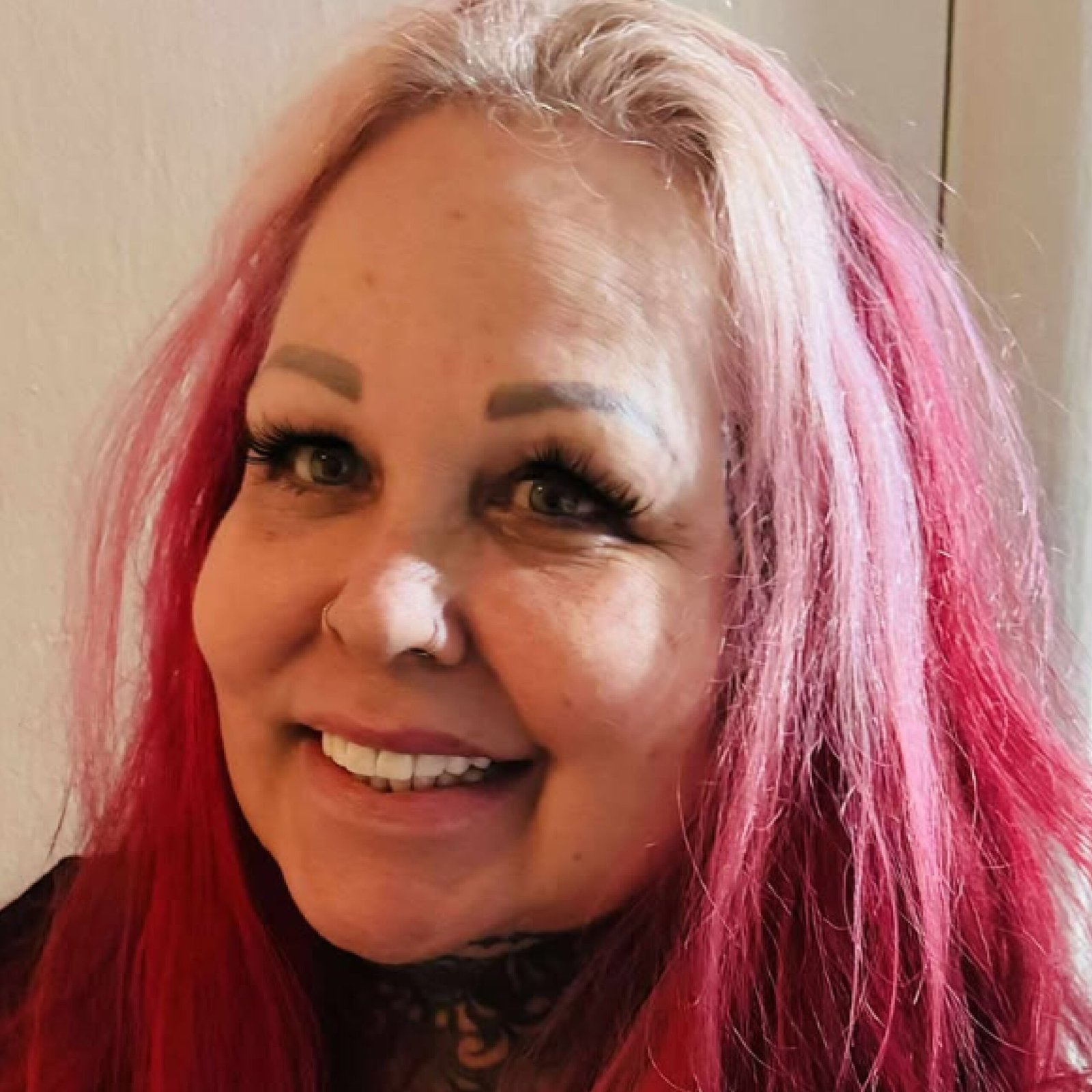
Deborah Sutton serves as the Program Manager at Radiant Path Therapy and Psychiatry and plays a central role in shaping the client experience.

Clinical Director
LMFT
Tiffany Komba is a Licensed Marriage and Family Therapist and the Clinical Director at Radiant Path Therapy and Psychiatry.

Associate Professional Clinical Counselor
APCC, EMDR Practitioner
My name is Kerri Reynolds and I am an Associate Professional Clinical Counselor (APCC) and EMDR practitioner with specialized experience providing trauma-informed care to individuals navigating a wide range of mental…

Associate Professional Clinical Counselor
ACSW, EMDR Practitioner
I bring a strong clinical foundation working with children, adolescents, adults, and families, along with experience providing trauma informed, evidence based care in diverse settings.

Associate Therapist
AMFT, APCC
Samantha, AMFT & APCC, supports life transitions, trauma, and stress using CBT/DBT, offering compassionate care to build insight, resilience, and confidence.
07 / Therapy & psychiatry
If weekly sessions aren’t enough right now, IOP and PHP give you more support without stepping away from daily life. Radiant Path Therapy and Psychiatry offers both levels of care in Grand Terrace, CA, with same-week availability and a team that adjusts your plan as you progress.
08 / Therapy & psychiatry
Clients from across San Bernardino County and the wider Inland Empire receive IOP and PHP care at our office.
Highgrove
Colton
Rialto
Loma Linda
San Bernardino
Bloomington
Redlands
Riverside
09 / Therapy & psychiatry
Have a question? We’re here to help.
Reach out to Radiant Path Therapy and Psychiatry by phone or email.
ANSWERS & GUIDANCE
PHP provides structured, full-day clinical guidance for individuals needing stabilization after a crisis or relapse. IOP offers fewer weekly hours while maintaining strong therapeutic treatment. Both programs help manage symptoms, build coping skills, and monitor recovery without inpatient hospitalization.
A clinical assessment evaluates symptom severity, safety, relapse risk, and daily functioning. This process helps match each person with the most appropriate level of care, ensuring treatment is intensive enough
Yes, structured outpatient treatment is effective for moderate to severe symptoms. Frequent therapy, monitoring, and skill development help reduce relapse risk and improve long-term symptom management.
Yes, IOP is designed to monitor recovery while maintaining daily responsibilities. Flexible scheduling allows participation in treatment while continuing work, school, or family commitments. This balance strengthens real-life coping skills.
Many PPO insurance plans cover intensive outpatient and partial hospitalization services when treatment is medically necessary. Benefits, coverage, and costs vary by provider. Insurance verification helps clarify eligibility and financial expectations before treatment begins.