We accept a variety of insurance plans.
Please contact us to confirm your coverage.

Radiant Path Therapy and Psychiatry · THERAPY SERVICES
A sudden noise or a single memory can still make your body react as if danger is close, long after the trauma has passed. That reaction is PTSD, and it responds well to treatment. Radiant Path Therapy and Psychiatry provides PTSD treatment in Redlands that helps clients feel safe in their own body and around the people they love again.
01 / Therapy & psychiatry
Treatment is recommended when symptoms like these continue after a traumatic event and begin to affect relationships and responsibilities.
02 / Therapy & psychiatry
Each type of trauma affects people differently, so our team adjusts the pace and approach of treatment to the experience behind each client's PTSD.
03 / Therapy & psychiatry
Trauma can lead to conditions closely related to PTSD, and our team treats each one according to its own symptoms and needs.
01
Repeated or long-term trauma, such as ongoing childhood abuse, can lead to complex PTSD and deep struggles with trust and self-worth. Our team treats these struggles through therapy and psychiatric support together.
02
Symptoms that appear soon after a traumatic event may point to acute stress disorder. Early treatment from our therapists and psychiatrists lowers the chance of these symptoms developing into PTSD.
03
Alcohol or drugs can quiet painful memories briefly, but they make both problems worse over time. Our dual diagnosis treatment addresses PTSD and substance use together, with Medication-Assisted Treatment (MAT) available when needed.
04 / Therapy & psychiatry
Starting PTSD treatment involves three clear steps, and you stay involved in every decision about your care, so nothing moves forward without your agreement.
During a short call, clients ask questions about treatment, and our team recommends whether to begin with a therapist, a psychiatrist, or both.
The assessment looks at current symptoms, daily functioning, and any co-occurring conditions to reach a clear PTSD diagnosis and set the goals of treatment.
Therapists teach grounding skills while psychiatrists treat severe symptoms, creating a stable base before work on traumatic memories begins.
05 / Therapy & psychiatry
Our PTSD counseling includes several therapy methods, and our therapist recommends the one best suited to your symptoms and comfort level.
01
Our EMDR therapists use bilateral stimulation, such as eye movements, to help reprocess traumatic memories. Therapy sessions continue until a memory no longer brings the same physical distress.
02
Cognitive behavioral therapy for PTSD targets beliefs like self-blame or feeling permanently damaged. It also teaches practical coping skills to manage strong reactions between treatment sessions.
03
With support from our exposure therapist, you gradually approach memories and situations you have avoided since the trauma. With practice, these reminders bring far less fear.
04
Brainspotting uses focused eye positions to process distressing memories and the body reactions linked to them. It often feels easier for people who struggle to talk about their trauma.
06 / Therapy & psychiatry
When symptoms are too strong for therapy alone, our PTSD psychiatrist on our team adds medical treatment to your care.
01
Nightmares and broken sleep make it hard to benefit from therapy. Our psychiatrists treat these sleep problems directly, which often eases daytime symptoms as well.
02
Persistent anxiety, irritability, or low mood can be treated with medication for PTSD from our psychiatrists. Each prescription is reviewed at regular appointments and adjusted as symptoms improve.
07 / Therapy & psychiatry
You can step up to more support during a hard period and step back down as you recover, all within our practice and with no gap in treatment.
01
Our outpatient treatment for PTSD includes regular therapy and psychiatric appointments for those whose symptoms are manageable between sessions. Most people begin their treatment at this level of care.
02
Structured trauma therapy in our IOP takes place on several days each week, offering more focused support than outpatient sessions when symptoms become harder to control at home.
03
PHP offers full days of trauma treatment and psychiatric support for adults and teens facing severe symptoms or a recent crisis, without the need for an overnight hospital stay.
08 / Therapy & psychiatry
Our online treatment for PTSD reaches you anywhere in California through secure video sessions. Telehealth therapy and telepsychiatry appointments, including medication follow-ups, take place from home, where many people with trauma feel most at ease. Skipping a crowded waiting room or a stressful drive also makes it easier to stay consistent with mental health care.
09 / Therapy & psychiatry
PTSD shows up differently in adults and teens, so care follows each person's age and situation.
01
For adults, PTSD can affect work and parenting. Care also reflects how signs of PTSD in women and men differ, and couples therapy is available when trauma strains a relationship.
02
In teens, PTSD often looks like anger, falling grades, or pulling away from friends. Parents take part in treatment, while the teen keeps a private space to speak openly with our team.
10 / Therapy & psychiatry
Before treatment ends, you receive a relapse prevention plan. It lists your early warning signs and the skills that worked best for you, so you know exactly what to do if symptoms start to return. Follow-up appointments with our team remain open afterward.
If symptoms suddenly get worse, our team sees you the same day you call. The therapist adds extra sessions and the psychiatrist reviews your symptoms when needed, so a difficult period is treated before it becomes a crisis.
11 / psychiatry
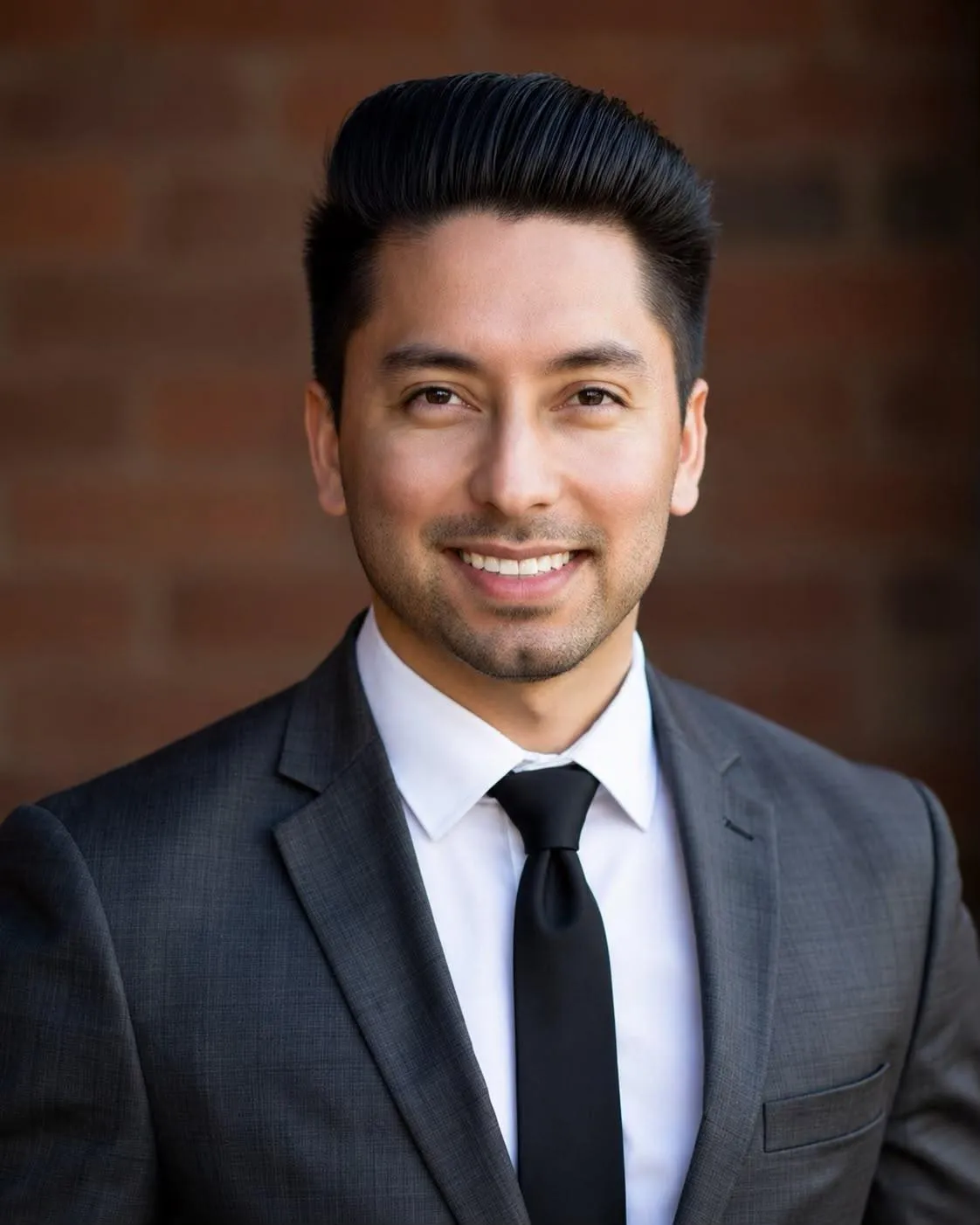
Psychiatric Nurse Practitioner
DNP, PMHNP-BC
Daniel Lucero, DNP, PMHNP-BC is a board-certified psychiatric nurse practitioner and Doctor of Nursing Practice graduate of Loma Linda University.
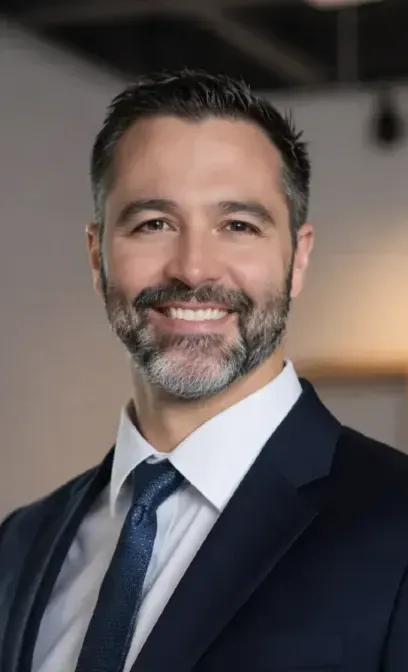
Certified Psychiatric Associate
DNP, PMHNP-BC
Justin Matar, DNP, PMHNP-BC is a board-certified psychiatric nurse practitioner trained at Loma Linda University.

Physician Assistant
PA-C, CAQ-Psychiatry
As a Psychiatry CAQ Physician Assistant, I blend urgent and general medicine with psychiatry, focusing on patient education and the physical-mental health connection.

Associate Clinical Social Worker
LPT, ASW, MSW
Melissa Rubalcava is an Associate Clinical Social Worker dedicated to helping individuals and couples navigate anxiety, trauma, identity challenges, and relationship stress.

Marriage & Family Therapist Associate
AMFT, EMDR
Briana Fisher is an Associate Marriage and Family Therapist committed to supporting individuals, couples, and families facing trauma, emotional distress, and relationship challenges.
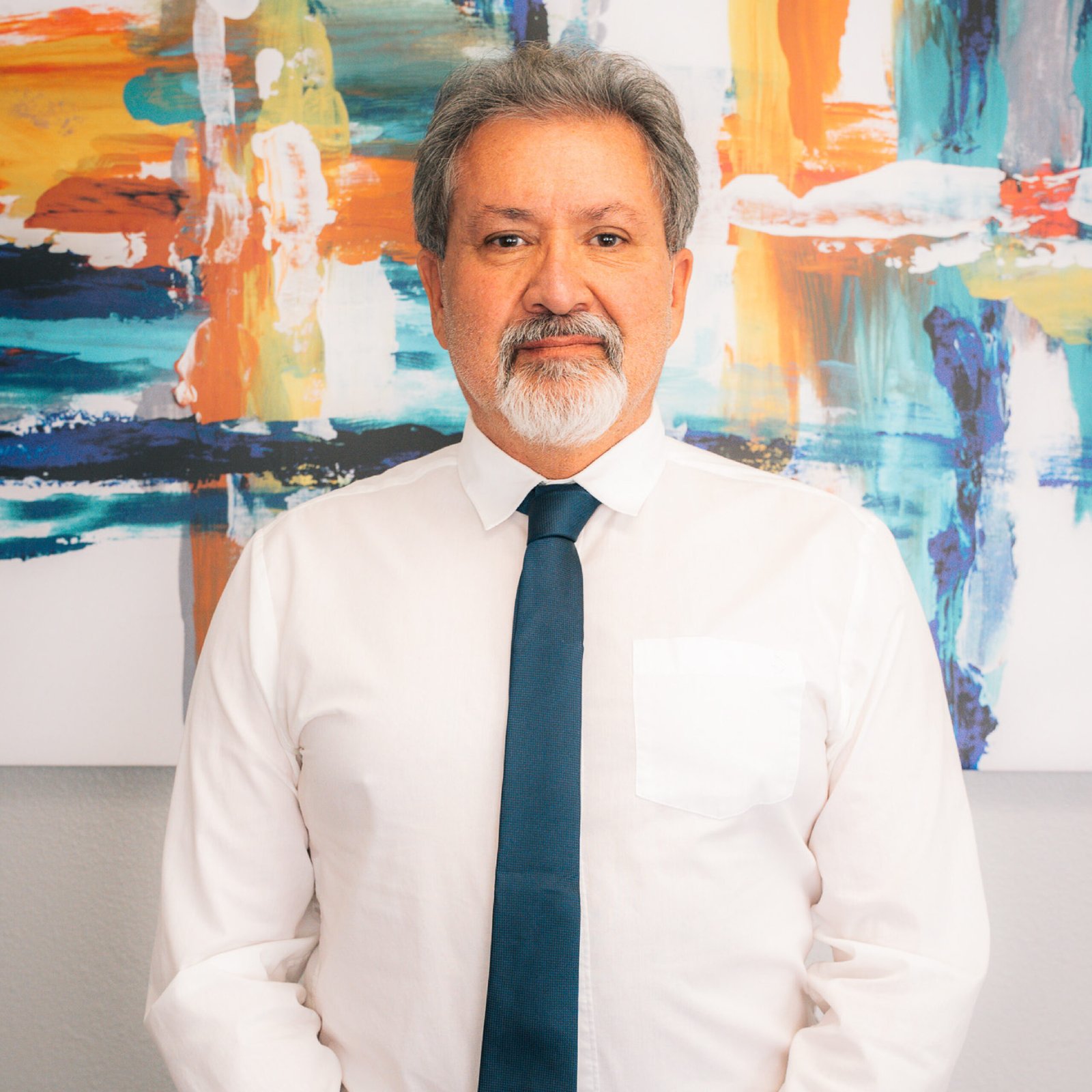
Marriage & Family Therapist Associate
MRAS, CSC
Mak Ehtesham is a Mental Health Recovery and Addiction Specialist with a doctoral degree in Applied Clinical Psychology and more than a decade of experience in behavioral health.
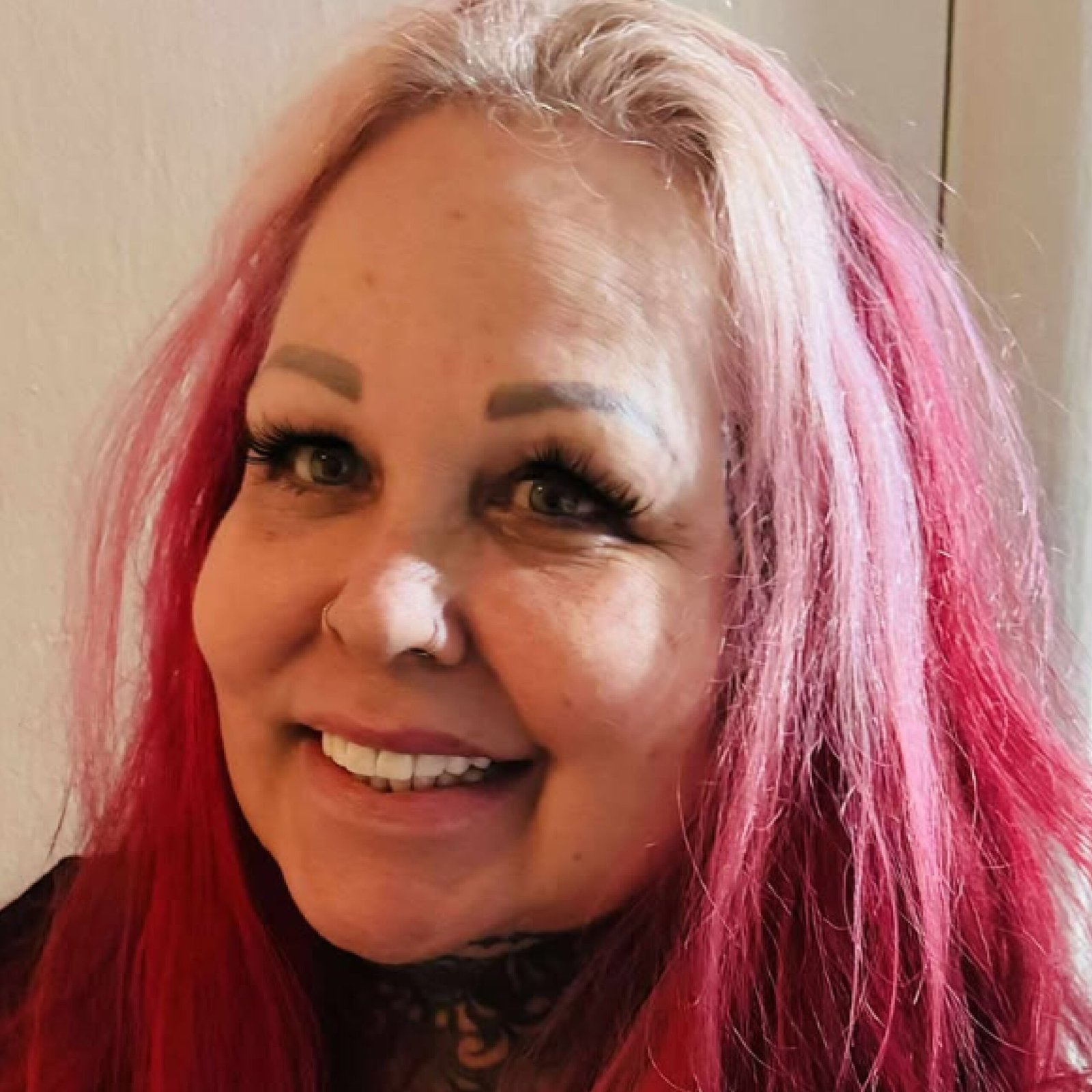
Program Manager & Trauma Specialist
Deborah Sutton serves as the Program Manager at Radiant Path Therapy and Psychiatry and plays a central role in shaping the client experience.

Clinical Director
LMFT
Tiffany Komba is a Licensed Marriage and Family Therapist and the Clinical Director at Radiant Path Therapy and Psychiatry.
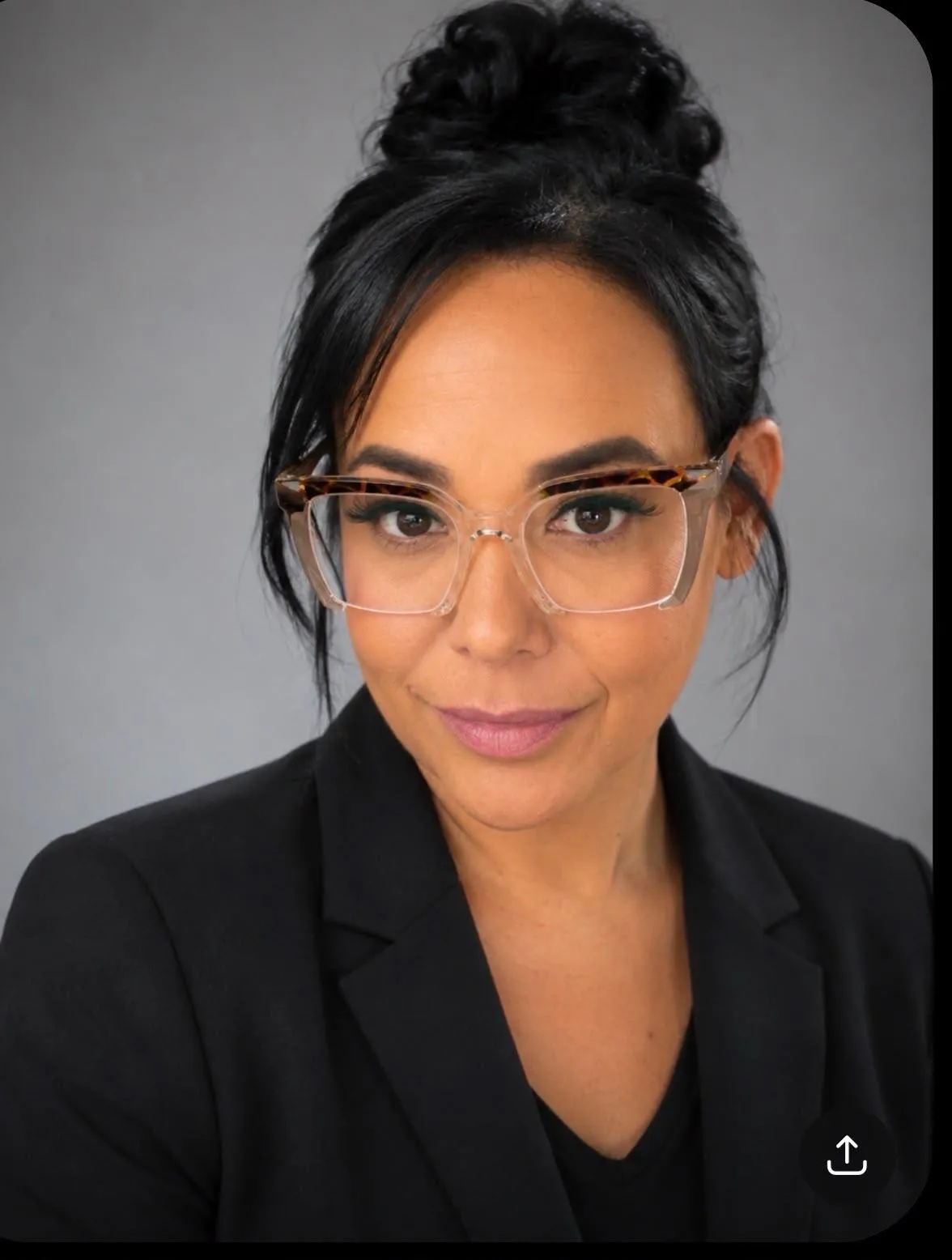
Associate Professional Clinical Counselor
APCC, EMDR Practitioner
My name is Kerri Reynolds and I am an Associate Professional Clinical Counselor (APCC) and EMDR practitioner with specialized experience providing trauma-informed care to individuals navigating a wide range of mental…

Associate Professional Clinical Counselor
ACSW, EMDR Practitioner
I bring a strong clinical foundation working with children, adolescents, adults, and families, along with experience providing trauma informed, evidence based care in diverse settings.

Associate Therapist
AMFT, APCC
Samantha, AMFT & APCC, supports life transitions, trauma, and stress using CBT/DBT, offering compassionate care to build insight, resilience, and confidence.
12 / Therapy & psychiatry
We work with major insurance plans and review coverage for therapy, psychiatric care, IOP, and PHP before the first appointment, so there are no surprise costs later. When a plan requires approval before treatment begins, our team requests it on your behalf, so you can focus on recovery while we handle the paperwork.





Reviews from clients and families reflect the care our team provides.
12 / Therapy & psychiatry
Clients from across San Bernardino County and the wider Inland Empire receive trauma care at our office.
Loma Linda
Yucaipa
Highland
Mentone
San Bernardino
Colton
Grand Terrace
Calimesa
Beaumont
13 / Therapy & psychiatry
Recovery from PTSD starts with one conversation. Contact Radiant Path Therapy and Psychiatry in Redlands, CA, today to begin PTSD treatment and start feeling like yourself again. Your free consultation takes place by phone, and care continues at our office or through secure online sessions, whichever feels right for you.
If you are thinking about suicide or feel unsafe right now, call or text 988 (Suicide & Crisis Lifeline) or go to the nearest emergency room.
ANSWERS & GUIDANCE
Stronger emotions can appear early in trauma processing, and this is a normal part of healing. Our therapists check in at every session and ease the pace whenever distress feels too intense.
Yes. PTSD can begin or return well after the original event, and our therapists treat older trauma with the same methods used for recent experiences.
Yes, in many cases. After completing treatment, many people no longer have PTSD at all. If a few symptoms remain, our team keeps supporting you so they stay mild and easy to manage.
Yes. Most people keep working while in outpatient care. If you join IOP or PHP, our team helps you decide whether a short break from work would help your recovery.
Yes. What you share with our therapists and psychiatrists stays private and is protected by HIPAA. The only rare exception is when someone's safety is at immediate risk, and our team explains this at your first appointment.