We accept a variety of insurance plans.
Please contact us to confirm your coverage.

Radiant Path Therapy and Psychiatry · Redlands, CA
Weekly therapy can leave long gaps between sessions, and a hospital stay can pull you away from work and family. Our intensive outpatient program in Redlands fills the space between those two options. An IOP is a structured schedule of therapy and psychiatric care that meets several days a week while you keep living at home. At Radiant Path Therapy and Psychiatry, you work with therapists and psychiatric providers who build your week around your goals.
Our mental health intensive outpatient program supports teens and adults who need more frequent care. These concerns can help guide a conversation with our team about whether IOP fits your needs:
Anxiety or depression continues to disrupt your life despite weekly therapy.
Symptoms make school, work or daily routines harder to manage.
Substance use or cravings become more difficult to control.
Panic attacks or emotional distress frequently interrupt your day.
You need ongoing support after a hospital stay or PHP.
Your clinician recommends more frequent therapy or psychiatric care.
Our intensive outpatient therapy combines individual sessions, psychiatric care and medication-assisted treatment (MAT) in one treatment plan. Our therapists and psychiatric providers coordinate care, review progress and adjust services based on each client’s needs.
Our prescriber reviews each client’s health history, current medicines and age to determine whether medication-assisted treatment (MAT) is appropriate. Follow-up visits focus on cravings, side effects and response to medication, with adjustments based on clinical need.
During individual therapy, clients work through concerns such as avoiding daily tasks, feeling overwhelmed or losing interest in familiar activities. Behavioral activation can help clients return to meaningful activities in manageable steps, while sessions provide space to practice coping skills and discuss setbacks.
A psychiatric evaluation helps our psychiatrists determine whether medication could support a client’s care. Follow-up medication management appointments focus on how the prescription is working and whether side effects affect daily life. Our psychiatrists explain any recommended changes so clients understand the next step.
Before admissions, our team explains the available session times and weekly commitment so clients can plan around school or work. The schedule brings individual therapy and psychiatric appointments into one care plan.
Program duration depends on the level of support each client needs. Our clinicians review progress throughout treatment and discuss when less frequent appointments would be appropriate.

You can begin by sharing what has brought you to seek care. Whether you are contacting us for yourself or your teen, the first conversation helps establish your concerns and the next step.
You begin with a brief 15-minute phone call. A team member asks about what brings you in, answers your questions, and explains how the program works.
Next, you meet with our team who learns about your symptoms, your history, and your goals. Intensive outpatient program requirements differ from person to person, so this assessment shows whether IOP fits you or whether another level of care would serve you better.
Our team writes a treatment plan and sets your schedule with you. Many clients begin within the same week, so you do not wait long once you decide to move forward.
Changes between appointments matter as much as what happens during a session. Our team reviews your symptoms, daily functioning and response to care so you can discuss what helps and what still feels difficult.
With appropriate consent, care coordination can include communication with your existing therapist or psychiatric provider. Sharing relevant information helps the professionals involved understand your current plan and medication needs.
Finishing a program should come with clear next steps. Aftercare planning focuses on the support you will need as appointments become less frequent.
Discuss ongoing therapy, psychiatric follow-up and medication needs with your care team before completing the program. This is also a chance to review the skills you want to keep practicing and the changes that should prompt you to seek further support.
Behind every program is a group of people who care how you feel. Radiant Path Therapy and Psychiatry brings licensed therapists and psychiatric providers together under one roof, and a clinical director oversees the program to keep care consistent. You will know who your providers are, and they will know you.

Associate Clinical Social Worker
LPT, ASW, MSW
Melissa Rubalcava is an Associate Clinical Social Worker dedicated to helping individuals and couples navigate anxiety, trauma, identity challenges, and relationship stress.

Marriage & Family Therapist Associate
AMFT, EMDR
Briana Fisher is an Associate Marriage and Family Therapist committed to supporting individuals, couples, and families facing trauma, emotional distress, and relationship challenges.

Marriage & Family Therapist Associate
MRAS, CSC
Mak Ehtesham is a Mental Health Recovery and Addiction Specialist with a doctoral degree in Applied Clinical Psychology and more than a decade of experience in behavioral health.
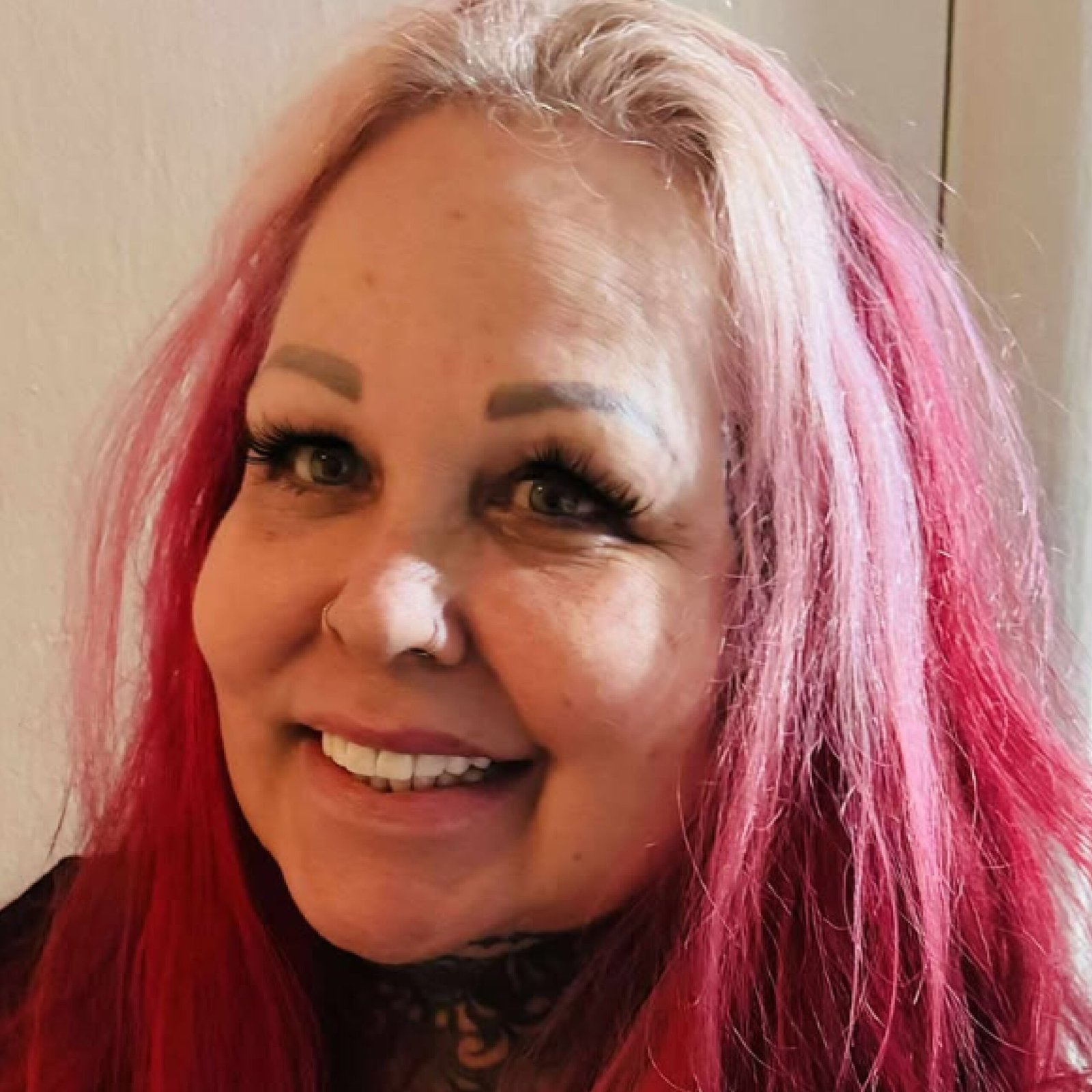
Program Manager & Trauma Specialist
Deborah Sutton serves as the Program Manager at Radiant Path Therapy and Psychiatry and plays a central role in shaping the client experience.

Clinical Director
LMFT
Tiffany Komba is a Licensed Marriage and Family Therapist and the Clinical Director at Radiant Path Therapy and Psychiatry.

Associate Professional Clinical Counselor
APCC, EMDR Practitioner
My name is Kerri Reynolds and I am an Associate Professional Clinical Counselor (APCC) and EMDR practitioner with specialized experience providing trauma-informed care to individuals navigating a wide range of mental…

Associate Professional Clinical Counselor
ACSW, EMDR Practitioner
I bring a strong clinical foundation working with children, adolescents, adults, and families, along with experience providing trauma informed, evidence based care in diverse settings.

Associate Therapist
AMFT, APCC
Samantha, AMFT & APCC, supports life transitions, trauma, and stress using CBT/DBT, offering compassionate care to build insight, resilience, and confidence.

Psychiatric Nurse Practitioner
DNP, PMHNP-BC
Daniel Lucero, DNP, PMHNP-BC is a board-certified psychiatric nurse practitioner and Doctor of Nursing Practice graduate of Loma Linda University.

Certified Psychiatric Associate
DNP, PMHNP-BC
Justin Matar, DNP, PMHNP-BC is a board-certified psychiatric nurse practitioner trained at Loma Linda University.

Physician Assistant
PA-C, CAQ-Psychiatry
As a Psychiatry CAQ Physician Assistant, I blend urgent and general medicine with psychiatry, focusing on patient education and the physical-mental health connection.
Understanding your benefits early can help you make an informed decision about enrollment. Our team can review your insurance coverage and discuss the information needed to check benefits for this program.
Coverage depends on your plan, its requirements and the services involved. You can ask about prior authorization, network status and any limits on approved visits. An insurance benefits check helps clarify the next steps, while your insurer makes coverage decisions under your policy.
Call Now (909) 577-1124




Our team welcomes individuals from these areas and nearby communities seeking structured outpatient treatment for mental health and substance use concerns.
Loma Linda
Highland
Yucaipa
Colton
San Bernardino
You do not need everything figured out before calling. An Intensive Outpatient Program (IOP) in Redlands, CA, may help when mental health or substance use concerns affect daily life. Call Radiant Path Therapy and Psychiatry or request a 15-minute consultation online.
Our team can explain program availability, discuss your concerns, and guide you through the next steps. For teen care, share their age and the challenges affecting home or school life. Reach out today to explore your options.
11
A partial hospitalization program (PHP) meets for more hours each week, often most of the day, and gives the highest level of non-hospital support. IOP meets for fewer hours, which lets you keep working or caring for your family. Compared with weekly outpatient therapy, IOP gives you more sessions and more structure each week. Your clinician will tell you if a higher or lower level of care fits your needs better.
Length varies from person to person, and many clients attend for several weeks. Our team of therapists and psychiatrists reviews your progress regularly and plans your step-down with you.
Many clients do. Evening and daytime sessions give you options, and our team can help with FMLA or SDI paperwork if you need time away from work.
Many plans cover IOP, but coverage depends on your specific plan. Our team verifies your benefits before you start and explains your costs up front.
Many people start on their own, and a doctor, therapist, or hospital team can also refer you. Your insurance plan may have its own requirements, and we check those with you during your first call.
Our clinician builds an aftercare plan for you that may include weekly therapy, medication visits, and skills to use when stress returns. We stay available if you need extra support later.