We accept a variety of insurance plans.
Please contact us to confirm your coverage.
Radiant Path Therapy and Psychiatry · Redlands, CA
Medication-assisted treatment (MAT) for opioid use disorder and alcohol use disorder combines FDA-approved medication with therapy at one practice. Radiant Path Therapy and Psychiatry offers MAT in Redlands, with a daily medication or other options, and your evaluation determines which one fits. Same-day appointments are available once your insurance is verified, and our team can check your coverage when you call.

The care plan pairs counseling and behavioral therapy with a medication matched to your substance use. For opioid use disorder, buprenorphine eases withdrawal symptoms and reduces cravings, while naltrexone blocks the effects of opioids. Naltrexone is also approved for alcohol use disorder, where it reduces the rewarding feeling of drinking.
Which medication fits best depends on the substance you use and when you last used it. If you use stimulants, benzodiazepines, or kratom, you’ll start with a full evaluation and therapy, and our prescriber will determine whether medication can support your recovery.
Suboxone is a film that dissolves under your tongue, and most patients take it at home as part of their daily routine. Steady dosing helps many people get back to work, family, and normal days. Taking it without our prescription can trigger sudden withdrawal or unsafe doses, especially when mixed with alcohol or benzodiazepines.
If daily medication is hard to keep up with, Sublocade takes that pressure off. One injection in our clinic covers the whole month, so there are no pills to carry, store, or forget. Because only our clinicians give it, it can’t be shared or taken outside your treatment plan.
Oral naltrexone suits people who want a non-addictive option they can take on their own schedule. Many patients with alcohol use disorder notice fewer heavy drinking days and less urge to drink. Taking it without our guidance skips the health checks that keep treatment safe and can cause sudden withdrawal.
Vivitrol is a strong option once you’ve stopped drinking or finished opioid detox, when staying consistent matters most. It helps lower the risk of relapse during the first months of recovery. Each dose is given in our office after your evaluation, so it’s never something to start on your own.
Starting treatment looks different if you already take buprenorphine than if you just left detox. For opioid use disorder or alcohol use disorder, your first dose depends on the medication you take now and the day you last used.
Already taking buprenorphine somewhere else? You can bring your prescription to us. Bring your pharmacy details to your first visit, and we’ll make sure your refills carry on without a gap.
Leaving detox or a hospital stay is a vulnerable time, because your tolerance to opioids has dropped. Bring your discharge summary and we’ll pick up where the program left off.
The first appointment ends with a medication choice and a start date. Our prescriber explains which symptoms to watch for at home before the first dose.
1
We start with a conversation about your substance use history and the medications you take now. Visits can be in person or by telehealth. If naltrexone is an option, we order liver function tests first.
2
Timing matters, because starting buprenorphine too early can cause precipitated withdrawal, which is sudden, intense withdrawal. We plan induction around the day you last used, so you start when it’s safe and comfortable.
3
Your first dose happens once your timeline is set. Depending on your plan, you either take your first film at home or in our clinic, or receive a Sublocade injection in our office. Before you leave, we review what to expect over the next few hours and who to call if something feels off.
4
Follow-up appointments track side effects and urges to use, and our prescriber adjusts the dose through medication management based on those reports. Patients can book an appointment by phone or online to begin with treatment .
Therapy gives patients a plan for the moments when the urge to use returns. Our therapists use cognitive behavioral therapy (CBT), that links thoughts to actions, to help each person spot their own triggers. A tense shift at work or a payday weekend can each start a craving.
In sessions, patients build a relapse prevention plan with steps for those exact moments. Our therapists and prescribers work in the same practice and share updates with patient consent. When therapy notes a rise in cravings, the dose can come up for review at the next follow-up.
Our prescribers offer both buprenorphine and naltrexone. Someone who later wants to stop opioid-based medication can move to naltrexone without changing clinics or repeating paperwork.
Follow-up appointments take place by telehealth when clinically appropriate, so people with long commutes or shift work spend less time traveling to the clinic. Our psychiatric team diagnoses and treats anxiety and depression as well. One provider can manage MAT and mental health medication together and check each prescription against the others.
You’ll know what to expect before your first appointment. Our team verifies your benefits within 24 hours at no charge, then explains your co-pays and any out-of-pocket costs. We work with many major plans, including Aetna, Blue Shield of California, Cigna, Anthem Blue Cross, UnitedHealthcare, and Medi-Cal.
If you don’t have insurance, we offer self-pay options for evaluations, follow-up visits, and therapy. Call us and we’ll go over current pricing with you before you begin.

Two kinds of clinicians work with MAT patients at our practice. Our prescribers include medical doctors (MDs) and psychiatric-mental health nurse practitioners (PMHNPs). Physician assistants (PA-Cs) prescribe as well, and our therapists provide counseling during treatment.

Associate Clinical Social Worker
LPT, ASW, MSW
Melissa Rubalcava is an Associate Clinical Social Worker dedicated to helping individuals and couples navigate anxiety, trauma, identity challenges, and relationship stress.

Marriage & Family Therapist Associate
AMFT, EMDR
Briana Fisher is an Associate Marriage and Family Therapist committed to supporting individuals, couples, and families facing trauma, emotional distress, and relationship challenges.
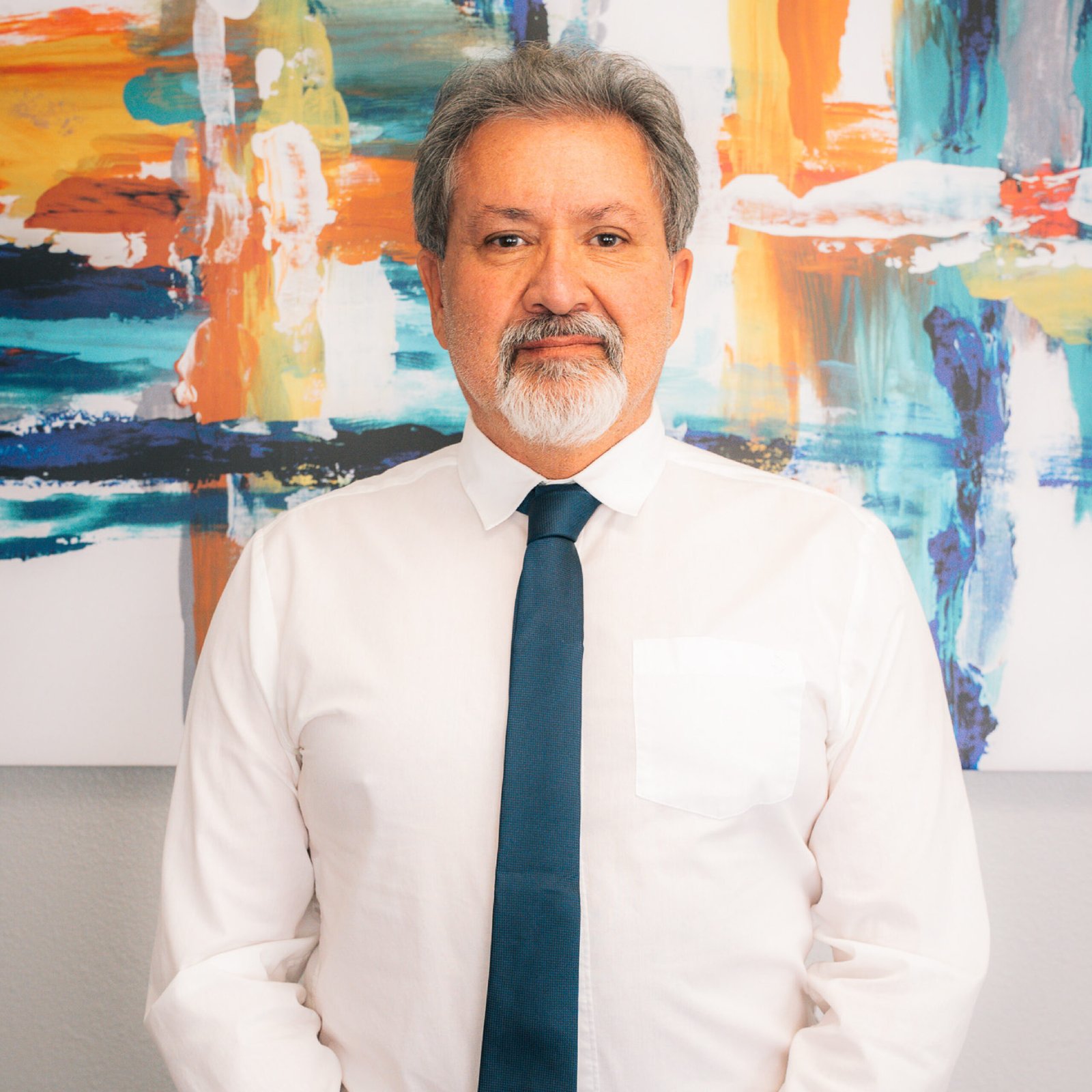
Marriage & Family Therapist Associate
MRAS, CSC
Mak Ehtesham is a Mental Health Recovery and Addiction Specialist with a doctoral degree in Applied Clinical Psychology and more than a decade of experience in behavioral health.
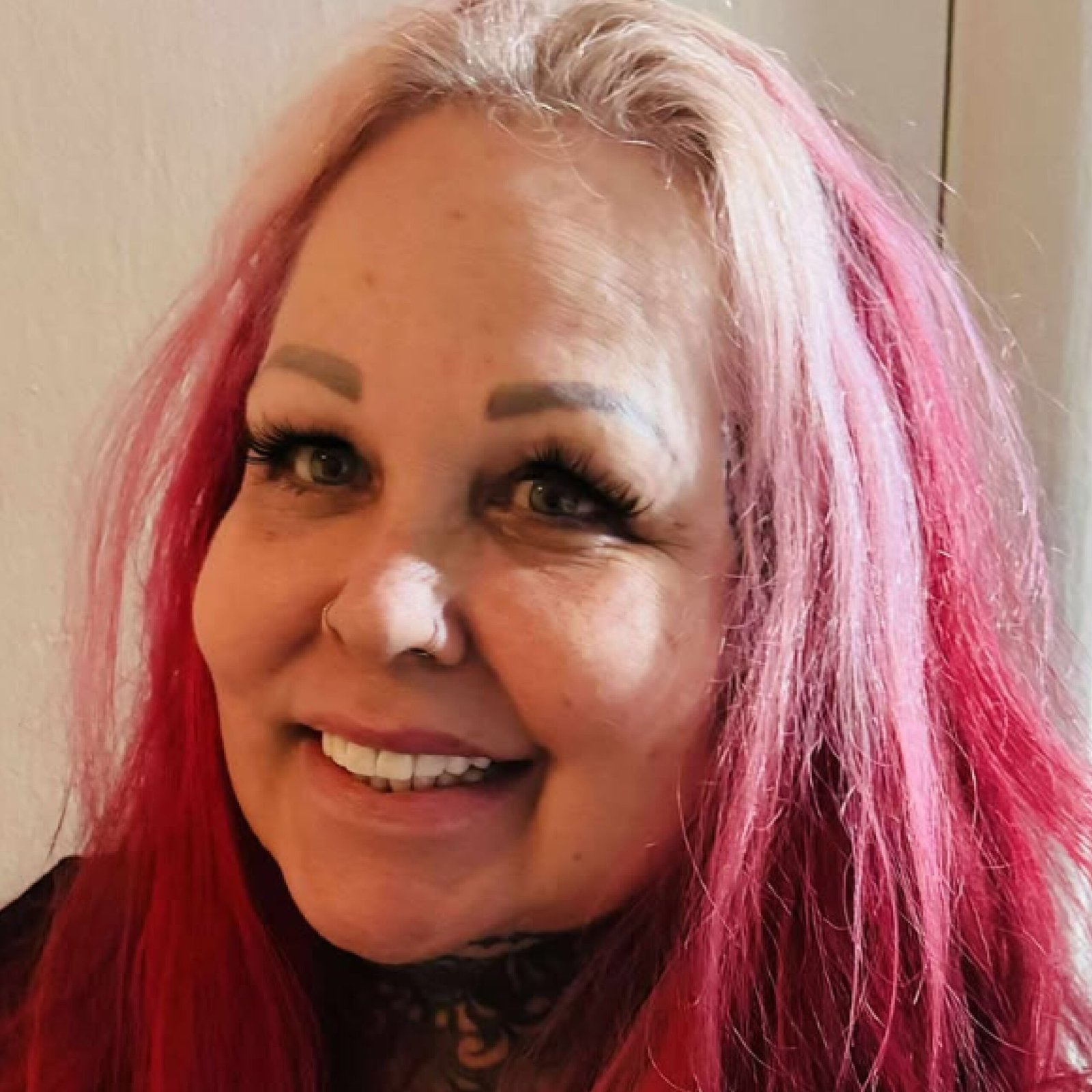
Program Manager & Trauma Specialist
Deborah Sutton serves as the Program Manager at Radiant Path Therapy and Psychiatry and plays a central role in shaping the client experience.

Clinical Director
LMFT
Tiffany Komba is a Licensed Marriage and Family Therapist and the Clinical Director at Radiant Path Therapy and Psychiatry.
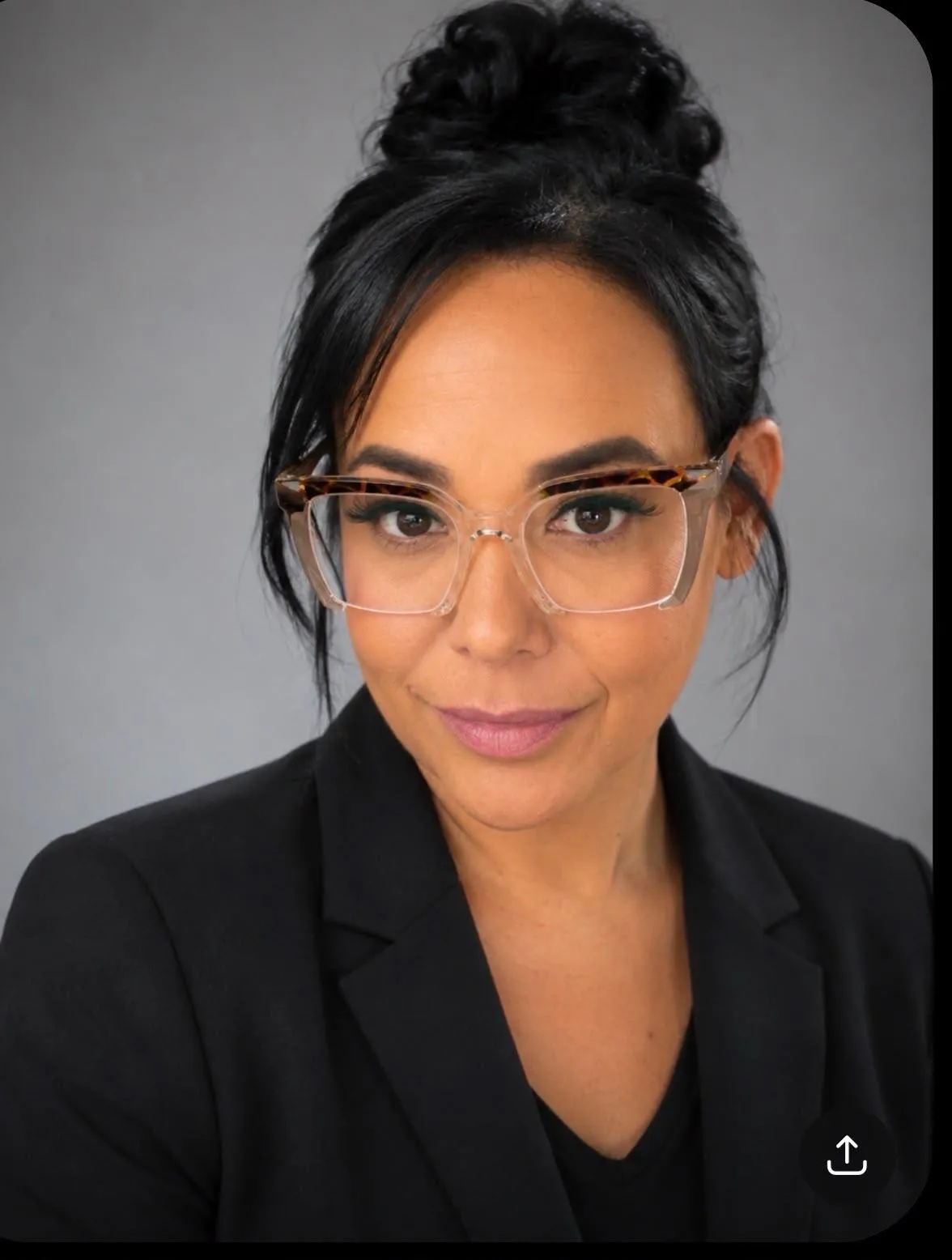
Associate Professional Clinical Counselor
APCC, EMDR Practitioner
My name is Kerri Reynolds and I am an Associate Professional Clinical Counselor (APCC) and EMDR practitioner with specialized experience providing trauma-informed care to individuals navigating a wide range of mental…

Associate Professional Clinical Counselor
ACSW, EMDR Practitioner
I bring a strong clinical foundation working with children, adolescents, adults, and families, along with experience providing trauma informed, evidence based care in diverse settings.

Associate Therapist
AMFT, APCC
Samantha, AMFT & APCC, supports life transitions, trauma, and stress using CBT/DBT, offering compassionate care to build insight, resilience, and confidence.

Psychiatric Nurse Practitioner
DNP, PMHNP-BC
Daniel Lucero, DNP, PMHNP-BC is a board-certified psychiatric nurse practitioner and Doctor of Nursing Practice graduate of Loma Linda University.
Certified Psychiatric Associate
DNP, PMHNP-BC
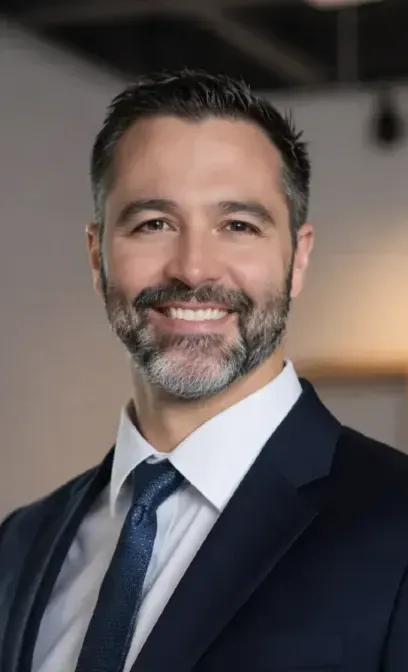
Justin Matar, DNP, PMHNP-BC is a board-certified psychiatric nurse practitioner trained at Loma Linda University.

Physician Assistant
PA-C, CAQ-Psychiatry
As a Psychiatry CAQ Physician Assistant, I blend urgent and general medicine with psychiatry, focusing on patient education and the physical-mental health connection.
Our clinic is within reach for patients across the area, and telehealth is an option when it fits your care. We provide MAT to patients in:
Loma Linda
Yucaipa
Mentone
Highland
Calimesa
Beaumont
Banning
One call with Radiant Path Therapy and Psychiatry gets your insurance checked and your MAT evaluation on the calendar. We have no waitlist, and our team answers calls seven days a week, including evenings. The same conversation covers your medication questions. We verify your benefits within 24 hours, and we can often see you the same day. Call us today or book online to start MAT in Redlands.
We offer outpatient MAT, and we arrange medically managed care for higher-risk alcohol withdrawal. Many people with opioid use disorder start buprenorphine with us and don’t need a separate detox program.
No. Methadone is available only through federally certified opioid treatment programs, which require regular clinic dosing. Buprenorphine treats the same condition, and you fill the prescription at a local pharmacy.
Both contain buprenorphine. Suboxone is a film you take at home each day, and Sublocade is a monthly injection we give at our clinic. The injection keeps your medication level steady, so there are no daily doses to remember. We can discuss switching once your daily dose is stable.
Call our clinic the same day and we’ll review your timing with you. A missed film and a late injection need different plans, because a film lasts about a day and an injection releases medication over a month.
Buprenorphine-naloxone is FDA-approved for ages 16 and older, while the injections and oral naltrexone are approved for adults. We treat patients aged 16 and older.
Yes, in many cases. Medical guidelines support buprenorphine for opioid use disorder during pregnancy and advise against stopping opioids suddenly. We review pregnancy at your evaluation and coordinate with your obstetric provider.
You can contact us directly to schedule an evaluation. Some insurance plans require a referral, and our team checks this when we verify your benefits.
Yes. Federal law, including 42 CFR Part 2 and HIPAA, protects substance use treatment records. We share your treatment details only with your written consent, except in emergencies or where the law requires it.