
Does Addiction Treatment Really Work? Evidence & Success Rates
Yes addiction treatment is effective, and many people achieve long-term recovery when they receive evidence-based care, remain in treatment long enough, and continue with aftercare support. Research shows that addiction is a treatable medical condition, and outcomes significantly improve when treatment includes behavioral therapy, medication when appropriate, and structured follow-up care.
While success depends on factors such as program quality, duration, personal commitment, and support systems, the evidence is clear: addiction treatment works, especially when it is individualized and sustained over time. In this blog, we will further discuss the science, success rates, and recovery options that make effective treatment possible.
Understanding Addiction as a Medical Condition
Before examining treatment effectiveness, it’s important to understand what we’re actually addressing. Substance Use Disorder (SUD) is a recognized medical condition marked by compulsive substance use despite harmful consequences. This isn’t a sign of weak character—it’s a complex brain disorder.
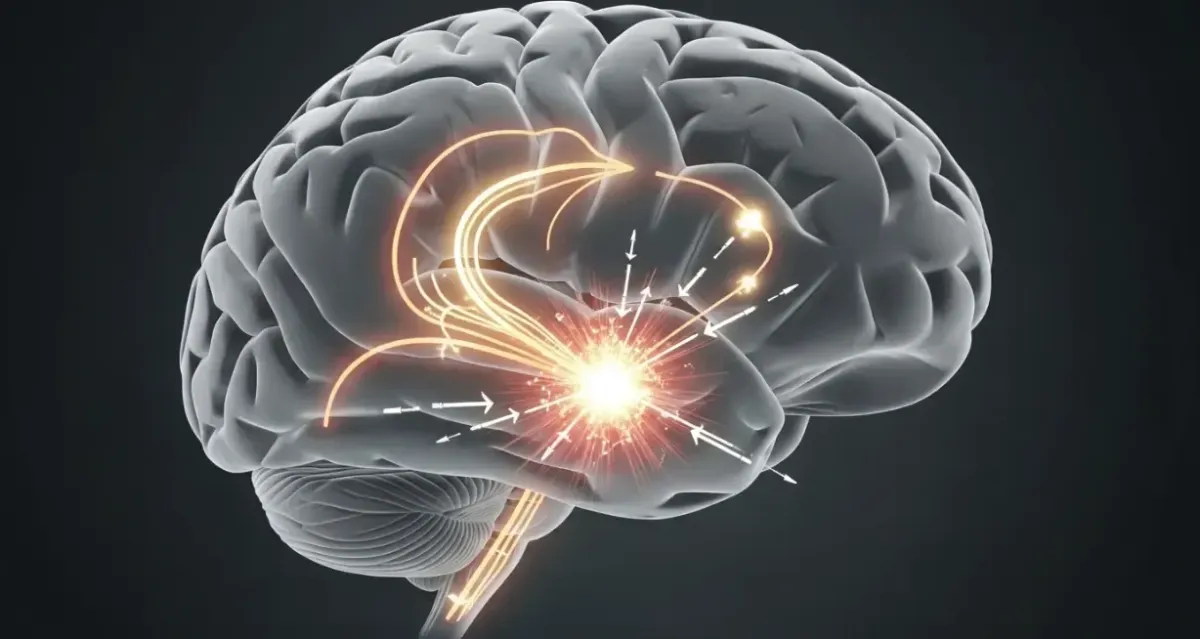
Addiction fundamentally alters how the brain functions. Substances hijack the brain’s reward system, flooding it with dopamine and creating strong associations between the substance and feelings of pleasure or relief. Over time, the brain compensates by producing less natural dopamine and reducing receptor availability. Everyday activities lose their rewarding effect, while the substance becomes central to feeling “normal.”
The National Institute on Drug Abuse (NIDA) classifies addiction as a chronic but treatable disease, like diabetes or hypertension, requiring ongoing care. Brain changes from prolonged substance use can persist long after stopping, which is why recovery takes time. Willpower alone is usually insufficient, as the prefrontal cortex controlling judgment is impaired, while the limbic system driving cravings is overactive.
What Does "Working" Actually Mean in Addiction Treatment?
One challenge in evaluating treatment effectiveness is defining what "success" actually means. Many assume treatment only works if it results in complete, permanent abstinence. While sobriety is an important goal, recovery can take many forms.
Success may mean complete abstinence for some, while for others it could be reduced use or safer patterns of consumption. Effective treatment also improves mental and physical health, addressing co-occurring issues like anxiety, depression, or trauma, which supports overall wellness.
Treatment is also measured by restored functioning and relationships. Rebuilding trust, maintaining employment, managing daily responsibilities, and engaging in meaningful activities all indicate progress—even if setbacks occur. Recovery is a long-term process, and short-term sobriety does not always equal stability.
Addiction Treatment Success Rates: What the Research Shows
Research on addiction treatment is encouraging. Around 40-60% of people with substance use disorders will experience relapse, a rate similar to other chronic conditions like diabetes, hypertension, and asthma.
Long-term recovery is achievable, especially for those who stay engaged in treatment. People who remain in care for at least a year see the best outcomes, and completing 90 days or more significantly improves chances of sustained recovery.
Medication-assisted treatment (MAT) is particularly effective for opioid use disorder. It lowers the risk of fatal overdose, improves retention, and increases the likelihood of remaining drug-free and maintaining employment.
What Types of Addiction Treatment Are Most Effective?
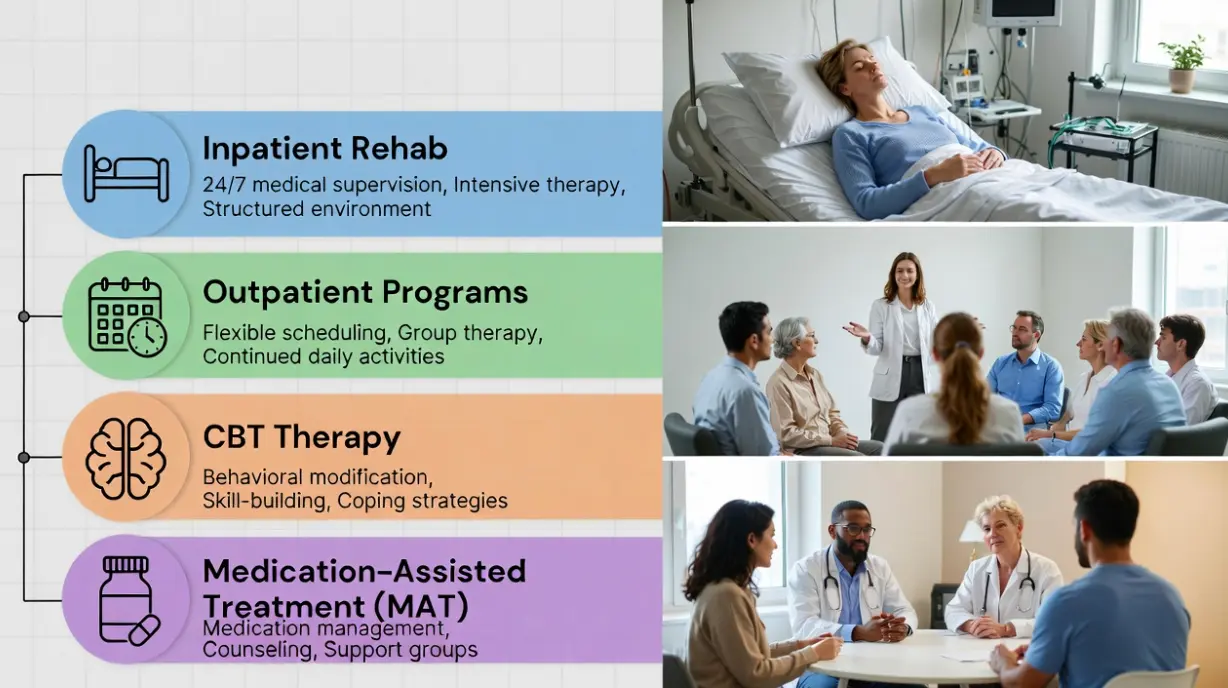
Effective addiction treatment isn’t one-size-fits-all. Different approaches work for different people, and often a combination yields the best results.
Inpatient (Residential) Rehab
Inpatient treatment offers 24/7 structured care in a controlled environment. It’s recommended for severe addictions, co-occurring mental health disorders, or unsafe home situations. Programs typically last 30 to 90 days, and constant supervision during early recovery—when relapse risk is highest—makes residential care particularly valuable.
Outpatient Treatment Programs
Outpatient programs let individuals live at home while attending scheduled sessions, making care flexible for work or family obligations. It’s more affordable than residential treatment and works well for moderate substance use or as a step-down from inpatient care.
Behavioral Therapies (CBT and Counseling)
Cognitive Behavioral Therapy (CBT) is widely researched and helps people identify and change thought patterns that drive substance use. Through CBT, individuals learn to recognize triggers, develop coping strategies, and strengthen problem-solving skills. Individual counseling, group therapy, and family therapy all support recovery.
Medication-Assisted Treatment (MAT)
For certain addictions—especially opioids and alcohol—medications like methadone, buprenorphine, and naltrexone can be life-saving. They help manage cravings, prevent withdrawal symptoms, and normalize brain chemistry. MAT is most effective when combined with counseling and behavioral therapies.
Dual Diagnosis Treatment (Mental Health + Addiction)
Over half of people with substance use disorders also have co-occurring mental health conditions such as depression, anxiety, PTSD, or bipolar disorder. Dual diagnosis treatment addresses both issues simultaneously, recognizing that untreated mental health challenges often contribute to substance use.
Why Addiction Treatment Sometimes Doesn't Work
Understanding why treatment fails is as important as knowing why it succeeds. One common reason is leaving treatment too early. Many people feel better after detox or a few weeks and mistakenly believe they’re “cured,” leaving before they’ve built coping skills or addressed the underlying issues driving their substance use.
Treatment can also fall short when it isn’t tailored to individual needs. Programs that overlook personal circumstances, trauma history, or co-occurring mental health conditions are less effective. Untreated mental health issues—particularly when substance use was a way to self-medicate—can fuel relapse if the root causes of addiction aren’t addressed.
Other challenges include the lack of a solid aftercare plan and limited support systems. Without ongoing therapy, support groups, or medication management, maintaining progress becomes difficult. Returning to environments filled with triggers or unsupportive relationships, combined with low engagement or resistance due to denial or lack of readiness, further reduces the chances of successful recovery.
Does Relapse Mean Addiction Treatment Failed?
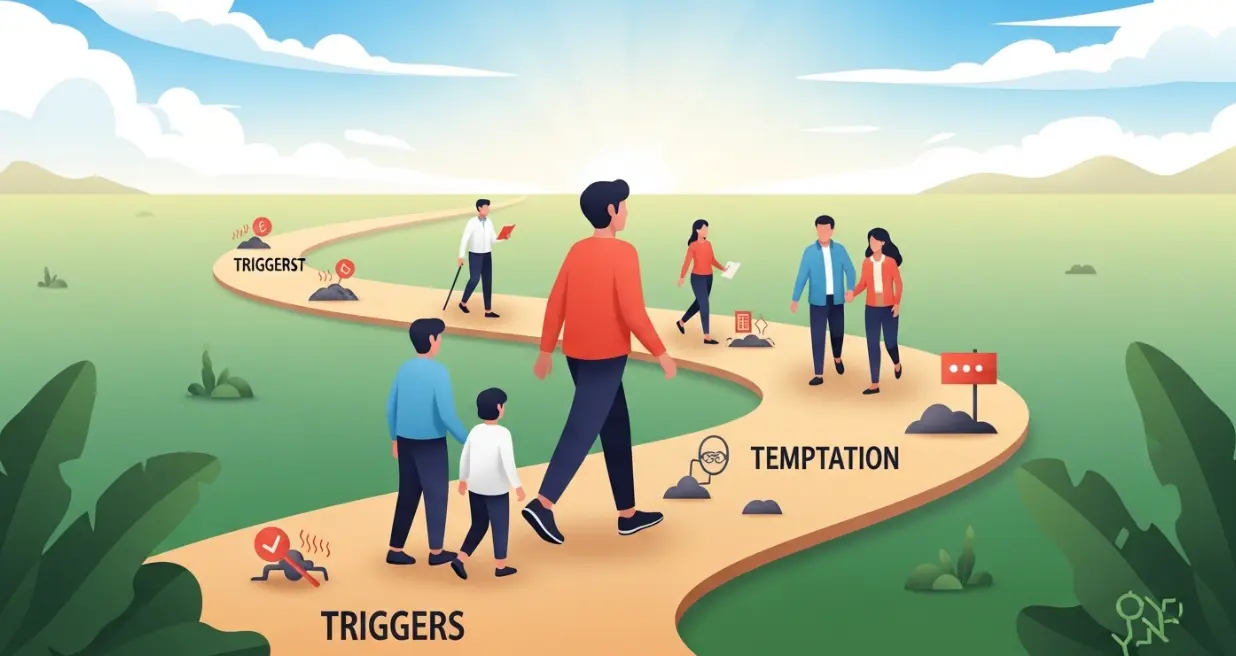
Relapse does not mean treatment failed. Addiction is a chronic condition, and setbacks are common, much like blood sugar spikes in diabetes. Brain changes from substance use make people vulnerable to triggers for months or years.
Relapse can be a learning opportunity rather than a failure. Effective programs include relapse prevention plans to identify triggers, develop coping strategies, and respond quickly when setbacks occur. Many people achieve long-term recovery despite one or more relapses along the way.
Is Full Recovery From Addiction Possible?
Yes, full recovery is possible, though “recovery” is different from a cure. Addiction causes lasting brain changes, but sustained sobriety, improved health, strong relationships, and a better quality of life are achievable.
Millions of people in the U.S. are living proof of long-term recovery. Recovery is an ongoing process, involving attention to mental and physical health, relationships, and personal growth. The longer someone maintains recovery, the lower their risk of relapse. With the right support, treatment, and commitment, lasting recovery is within reach for anyone willing to pursue it.
What Does Long-Term Recovery Look Like?
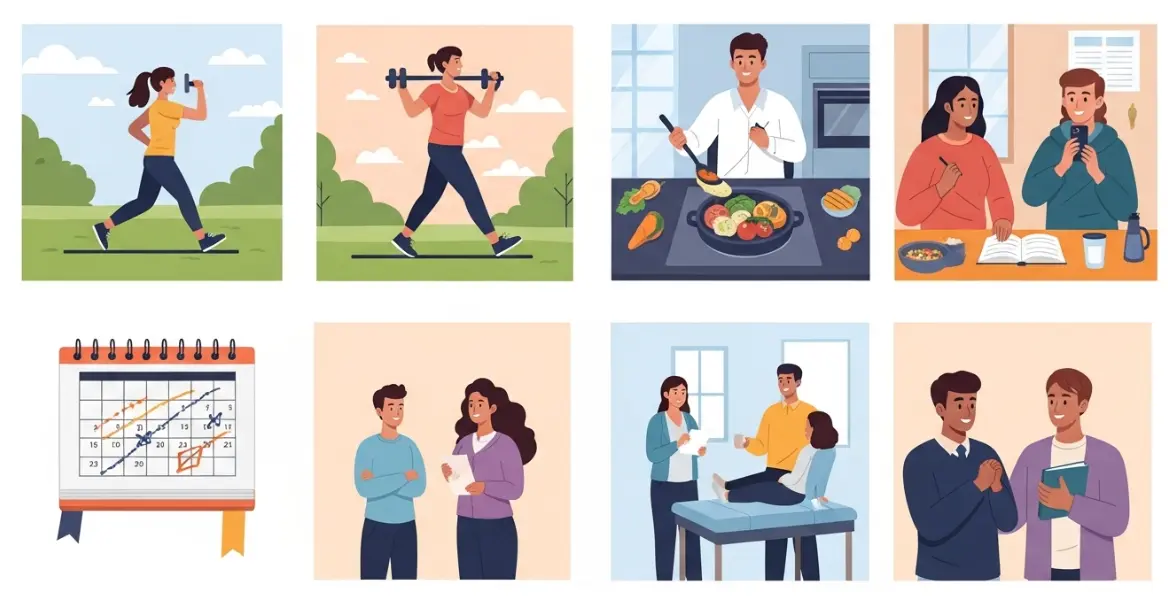
Sustained recovery rarely happens in isolation. People who maintain long-term sobriety often engage in ongoing therapy, counseling, and peer support groups like Alcoholics Anonymous, Narcotics Anonymous, or SMART Recovery, which provide guidance, accountability, and a sense of community.
Building healthy coping skills, maintaining structured routines, and having supportive environments—including sober living and family involvement—help sustain recovery. Long-term recovery is a balanced lifestyle that combines self-care, support, and purposeful living, making lasting sobriety possible.
What Increases the Chances of Long-Term Success?
Certain factors consistently predict better treatment outcomes. Early intervention reduces the impact of addiction on the brain, body, and life circumstances, while longer treatment—typically 90 days or more—allows time for stabilization and skill-building. Evidence-based therapies provide a solid foundation, and personalized care addressing individual needs and co-occurring disorders improves engagement.
Strong social support from family, friends, or peers offers encouragement and accountability, and ongoing aftercare programs help prevent relapse by reinforcing recovery behaviors. Combining early intervention, effective therapies, personalized care, and support systems gives individuals the best chance for lasting success.
How to Choose an Addiction Treatment Program That Actually Works
Not all treatment programs are equal, and several factors indicate quality care. Accreditation and licensing from organizations like The Joint Commission or CARF International show a program meets safety and treatment standards. Programs should use evidence-based approaches, employ qualified clinical staff, and provide dual-diagnosis support to address co-occurring mental health conditions.
Aftercare planning is critical, including ongoing therapy, support group connections, and crisis resources. Transparent success metrics, such as completion rates and outcomes, reflect a program’s confidence and accountability. Choosing a program with proven methods, skilled staff, and strong follow-up gives the best chance for lasting recovery.
Looking for Addiction Treatment in Grand Terrace, CA?
If you or someone in your family is struggling with addiction, you don’t have to face it alone. Schedule your consultation and take the first step toward lasting recovery. At Radiant Path Therapy in Grand Terrace, CA, we provide evidence-based, personalized addiction treatment designed for lasting recovery not just short-term sobriety. Our experienced clinical team offers compassionate care, dual-diagnosis support, and structured aftercare planning to help you rebuild your life with confidence.
Conclusion
The research and real-world outcomes are clear: addiction treatment works when properly delivered. Comprehensive, individualized programs that combine behavioral therapies, medical support, and robust aftercare lead to sustained recovery for most people who fully engage, even if setbacks occur along the way.
Recovery is realistic and achievable. With the brain’s ability to heal, evidence-based treatments, and supportive communities, lasting change is possible—even after years of addiction. Seeking help is not only brave—it provides the tools and support needed to rebuild a healthier, more connected, and purposeful life.
Frequently Asked Questions
What is addiction treatment, and does it really work?
Addiction treatment is a structured program that helps people manage substance use through behavioral therapies, medical support, and ongoing care. Research and real-world outcomes show that when treatment is evidence-based, individualized, and sustained, it can lead to long-term recovery.
What does “success” in addiction treatment mean?
Success isn’t always complete abstinence. It can include reduced substance use, improved mental and physical health, restored relationships, and better daily functioning. Recovery is a long-term process, and even short-term progress is meaningful.
Can someone relapse and still be in recovery?
Yes. Relapse is common and does not mean treatment failed. With relapse prevention plans, coping strategies, and support systems, setbacks can be managed, and many people continue toward long-term recovery despite one or more relapses.
What types of addiction treatment are most effective?
Effective treatment is often a combination of approaches, including inpatient or outpatient programs, behavioral therapies like CBT, medication-assisted treatment (MAT), and dual-diagnosis care for co-occurring mental health conditions. Personalized care and aftercare support improve outcomes.
How can I increase my chances of long-term recovery?
Early intervention, longer treatment durations (90+ days), evidence-based therapies, personalized care, strong social support, and ongoing aftercare all improve the likelihood of sustained recovery. Maintaining structured routines, healthy coping skills, and supportive environments is also key.


