How Long Does It Take to Recover From Depression?
Most people begin to notice improvement from depression within 4 to 8 weeks of starting treatment, though full recovery often takes several months. Mild depression symptoms may ease within a few weeks to three months, while moderate to severe depression can take 6 months to a year for substantial recovery. Community studies show that even without treatment, about 50% of people recover within three months, 63% within six months, and 76% within a year, though depression that doesn't resolve early often stretches to 6 to 12 months, and nearly 1 in 5 people experience symptoms for two years or longer.
If you're wondering how long it takes to recover from depression, or from depression and anxiety together, the honest answer is that recovery varies from person to person. Symptom severity, how early you start treatment, your support system, and your overall health all shape the timeline. With proper treatment and support, most people do improve.
Common Symptoms of Depression
Before looking at recovery timelines, it helps to recognize what you're actually recovering from. A diagnosis of clinical depression (major depressive disorder) requires at least five of the following symptoms during the same two-week period, including either depressed mood or loss of interest, according to NIMH:
Persistent sadness, emptiness, or hopelessness most of the day, nearly every day
Loss of interest or pleasure in activities you used to enjoy
Significant changes in appetite or weight
Sleeping too much or too little
Fatigue or loss of energy, even after rest
Difficulty concentrating, thinking, or making decisions
Feelings of worthlessness or excessive guilt
Restlessness or noticeably slowed movement
Recurrent thoughts of death or suicide
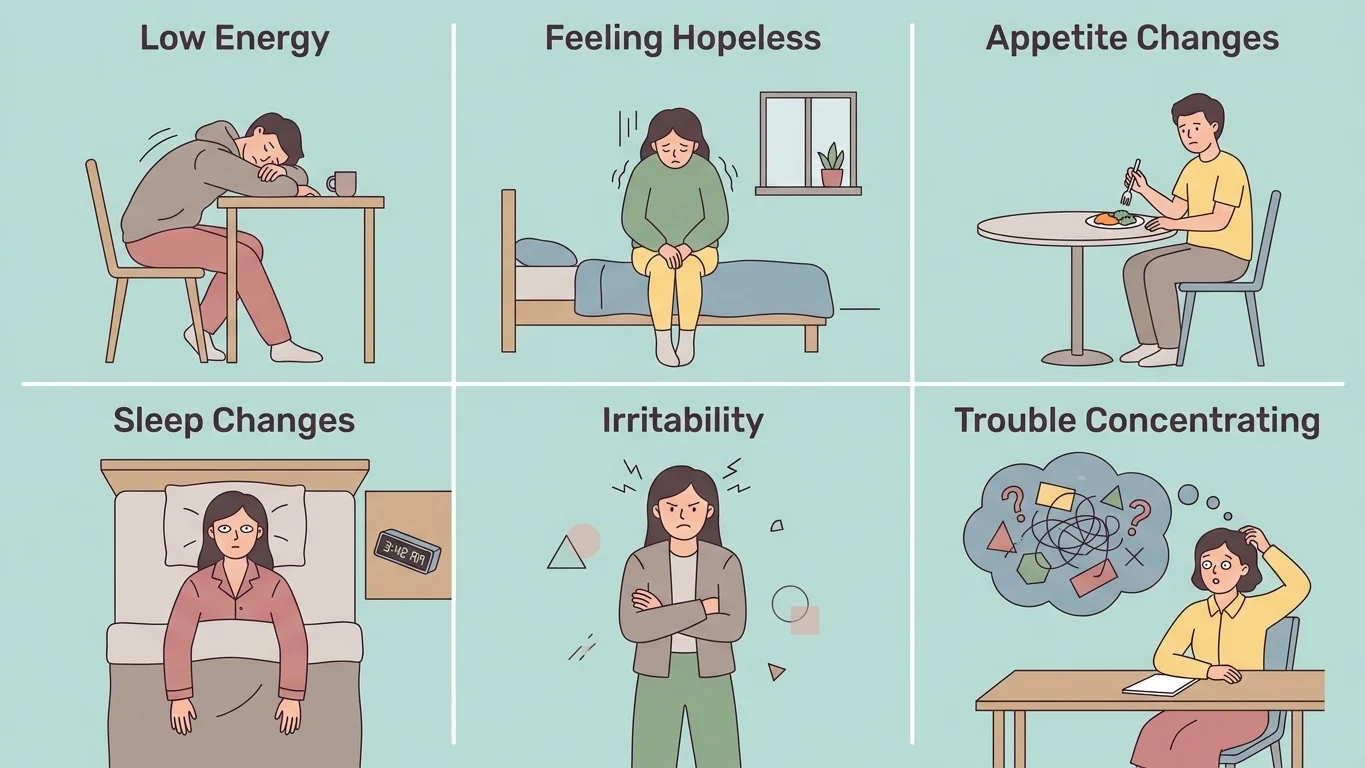
Some people also experience physical symptoms of depression, such as unexplained aches or digestive issues, and family or friends may notice tearfulness, withdrawal, or a quieter voice before the person recognizes it themselves.
What Causes Depression?
What causes depression usually comes down to a combination of factors working together, rather than one isolated trigger:
Biological factors: changes in brain chemistry, including neurotransmitters like serotonin and dopamine, and in how certain brain regions regulate emotion and stress response
Genetics: a family history of depression can raise your risk, though there is no single "depression gene"
Life events: trauma, loss, chronic stress, or major life transitions
Medical conditions: chronic illness, hormonal changes (pregnancy, postpartum, menopause, thyroid issues), or certain medications
Personality and environment: isolation, ongoing conflict, or a lack of social support
Understanding what causes depression doesn't change the urgency of treatment, but it helps explain why recovery timelines differ so much from person to person. Someone recovering from a single stressful event often follows a different path than someone managing a longer-standing biological or chronic pattern.
What Does "Recovery" From Depression Really Mean?
Recovery from depression means returning to a stable, functional, and emotionally balanced state, not just feeling less sad. For some people, it begins with symptom relief: improved sleep, fewer negative thoughts, a lighter mood. Full remission means symptoms stay minimal or absent for a sustained period, not just temporarily reduced.
Beyond symptom relief, true recovery includes functional improvement: being able to focus at work, maintain relationships, feel motivated, and engage in daily life again. Mood often improves before energy, concentration, or enthusiasm fully return. Emotional resilience, the ability to manage stress and setbacks without slipping back into depressive patterns, tends to be the final stage. Some people manage depression as a recurring condition over the long term, and needing ongoing care doesn't mean treatment has failed.
How Long Does It Take to Recover From Depression and Anxiety Together?
Depression and anxiety frequently occur together, a pattern clinicians call comorbid depression and anxiety. When both conditions are present, recovery can take somewhat longer than treating depression alone, since overlapping symptoms like racing thoughts, restlessness, and sleep disruption can each slow the other's improvement.
With combined anxiety and depression treatment, usually CBT along with medication when appropriate, many people begin noticing improvement in 6 to 8 weeks, with fuller relief building over 3 to 6 months. Treating both conditions at the same time, rather than one after the other, generally produces faster and more stable results. If you're managing symptoms of both, mention them to your provider from the first session so they can build a plan that addresses the full picture.
How Long Does a Depressive Episode Usually Last?
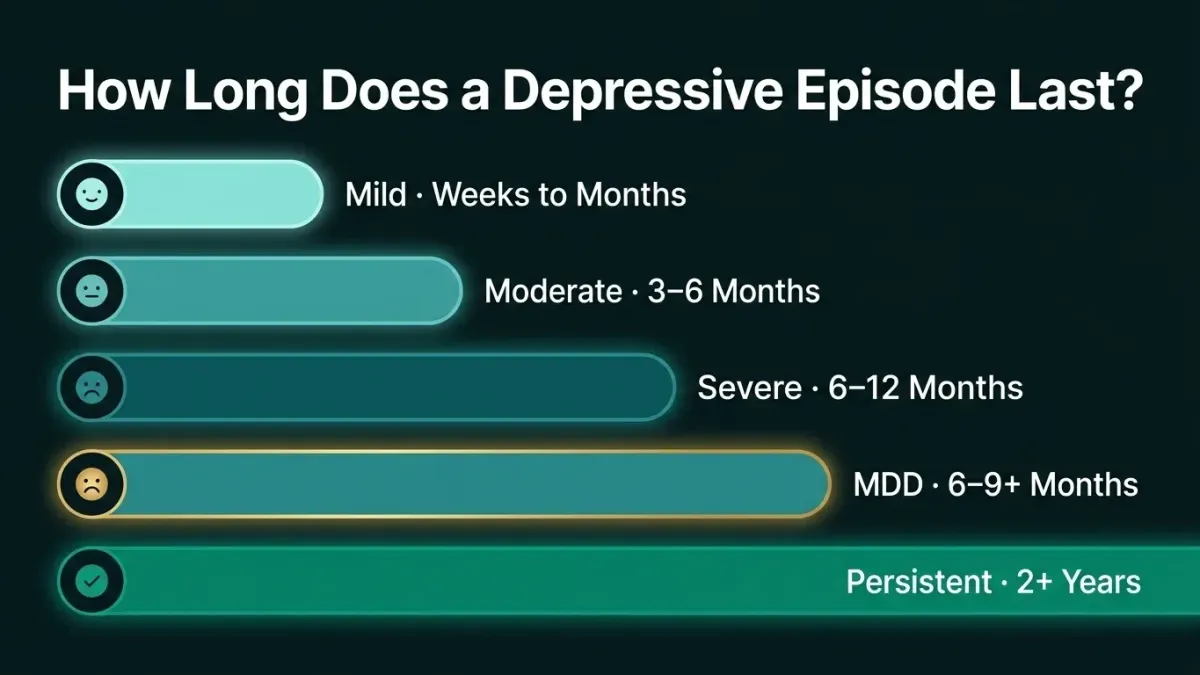
The length of a depressive episode depends on its type, severity, and whether treatment is received.
Mild Depression
Mild depressive episodes, marked by low mood and reduced motivation, may last a few weeks to a few months. With early intervention, lifestyle adjustments, or brief therapy, recovery is typically faster, and treatment significantly reduces the risk of recurrence even when symptoms are mild.
Moderate Depression
Moderate depression commonly lasts three to six months without treatment. With therapy, medication, or both, many people begin noticing improvement within four to eight weeks, though full recovery often requires several months of steady care.
Severe Depression
Severe depression can substantially impair daily functioning and may include intense hopelessness or thoughts of self-harm. Episodes often last six months to a year or longer and usually require comprehensive treatment, with recovery taking more time if medication or therapy approaches need adjusting.
Major Depressive Disorder (MDD)
A single MDD episode typically lasts six to nine months with treatment, while untreated episodes may extend a year or more. For people with recurrent MDD, each episode may respond to treatment similarly, but the likelihood of future episodes rises with each one.
Persistent Depressive Disorder (Chronic Depression)
Persistent depressive disorder involves symptoms lasting at least two years. Symptoms are less intense than major depression but more continuous, and recovery usually requires long-term therapy, medication, or both, with progress that's gradual rather than rapid.
How Treatment Changes Recovery Time
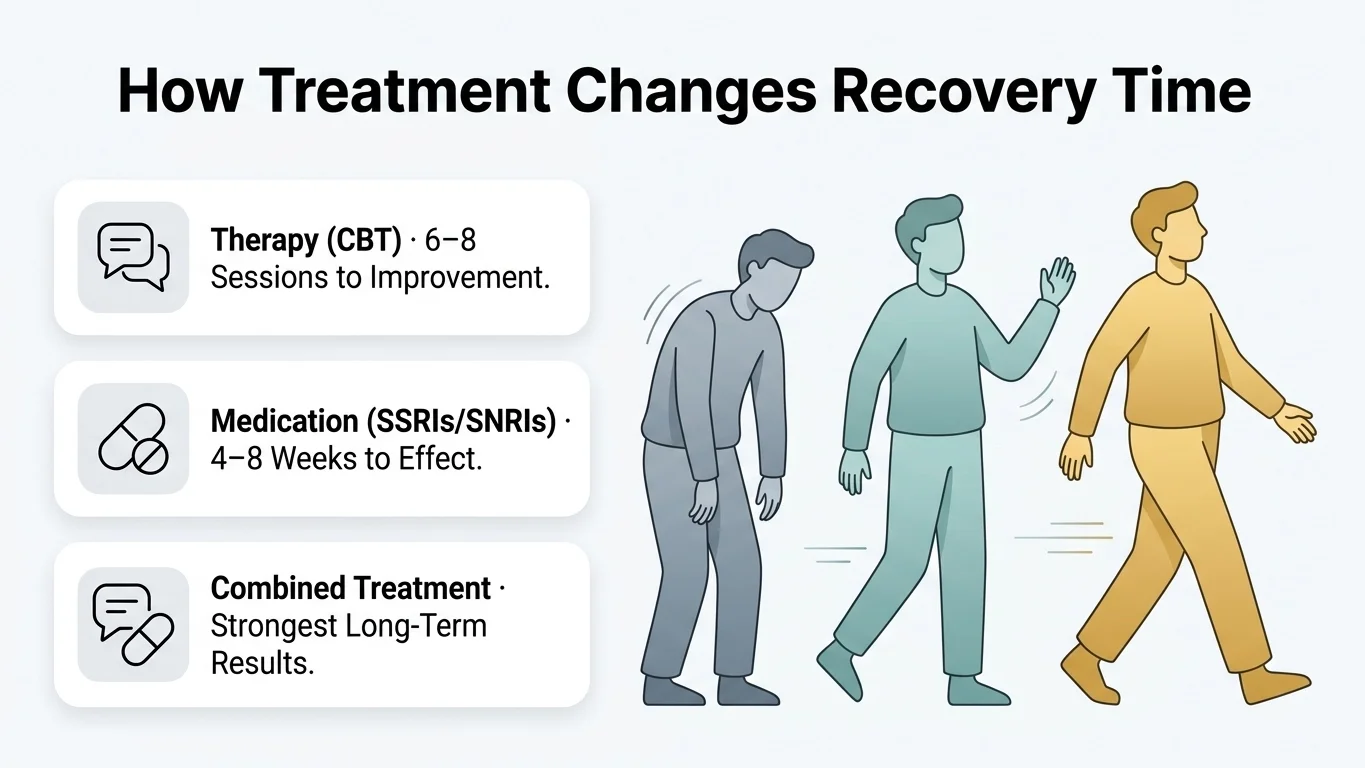
Treatment shortens the duration of a depressive episode and lowers the risk of relapse. The earlier it begins, the faster and more stable recovery tends to be.
Therapy (CBT and Other Approaches)
Cognitive Behavioral Therapy (CBT) is one of the most well-researched treatments for depression. Many people notice improvement within six to eight sessions, with full benefits developing over three to five months of consistent therapy. Interpersonal therapy (IPT), behavioral activation, and psychodynamic therapy tend to follow similar timelines.
Antidepressant Medication
Antidepressants, most commonly SSRIs (such as fluoxetine or sertraline) and SNRIs (such as venlafaxine or duloxetine), typically require four to eight weeks before noticeable improvement appears, with full effects often taking three to six months. Medication adjustments, whether to the dose or the prescription itself, are common on the way to finding the best fit.
Combined Treatment
For moderate to severe depression, combining therapy and medication generally produces stronger, longer-lasting results than either alone. Medication helps stabilize biological factors while therapy addresses the thought patterns and behaviors that sustain depression, and people who complete a full course of combined treatment tend to have lower relapse rates.
Treated vs. Untreated Depression at a Glance
With Treatment | Without Treatment |
|---|---|
Initial improvement often within 4 to 8 weeks | Average episode lasts 6 to 12 months |
Full recovery possible within several months | Risk of symptoms lasting years |
Lower risk of recurrence | Higher risk of recurrent depression |
Therapy builds long-term coping skills | Greater chance of complications |
Medication provides steady, structured relief | No structured way to manage or shorten symptoms |
How Long Does Depression Last Without Treatment, and What Does It Affect?
Left untreated, a depressive episode that doesn't resolve in the first few months commonly stretches to 6 to 12 months, and in some cases longer. Repeated untreated episodes can make the brain more vulnerable to future depression, increasing both frequency and severity over time.
Beyond mood, depression that goes unaddressed for a long stretch can affect several areas of life:
Memory and concentration: focus, decision-making, and short-term recall often become harder during an episode, though this typically improves once symptoms lift with treatment rather than causing lasting damage
Brain function: research links depression to changes in how certain brain regions regulate emotion and respond to stress
Physical health: sleep disruption, appetite changes, and fatigue are common, and depression is linked to a higher risk of other health complications over time
Relationships and daily functioning: withdrawal from friends and family, and difficulty keeping up with work, school, or household responsibilities
Risk of complications: a higher chance of substance use, relationship strain, or suicidal thoughts
Seeking early treatment isn't only about shortening the current episode. It's also one of the most effective ways to reduce these longer-term effects and prevent depression from becoming a persistent pattern.
Factors That Affect How Fast You Recover
Symptom severity is one of the strongest predictors of recovery time, with more intense or disabling symptoms typically requiring longer, more structured treatment. Timing matters too: people who seek help early in an episode tend to recover faster than those who delay.
Personal history plays a role as well. Unprocessed trauma can prolong symptoms and complicate treatment, while strong, consistent social support is one of the most reliable factors linked to faster improvement. Isolation, by contrast, tends to slow progress and raise the risk of relapse.
Physical health matters just as much. Poor sleep can worsen depressive symptoms, chronic medical conditions may sustain or intensify them, and substance use, particularly alcohol, often interferes with treatment and delays recovery. Co-occurring conditions such as anxiety disorders or PTSD add complexity and usually need coordinated, longer-term care.
Stages of Depression Recovery
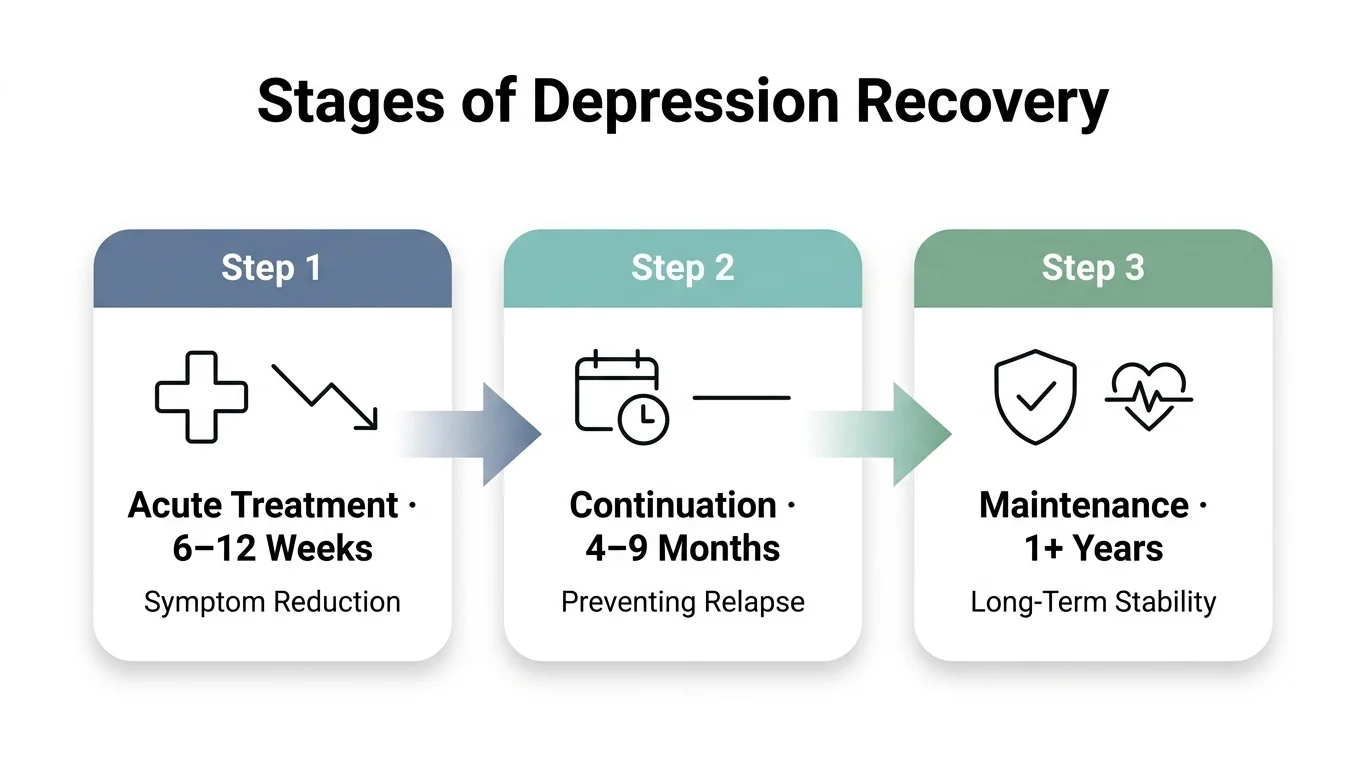
Recovery from depression generally moves through three recognized stages rather than happening all at once.
1. Acute Treatment Phase
The active treatment period, typically lasting 6 to 12 weeks, focused on reducing symptoms to a manageable level. Most initial improvement, better sleep, a steadier mood, more energy, happens here.
2. Continuation Phase
Once symptoms improve, continuation treatment usually lasts an additional 4 to 9 months. The goal is consolidating that improvement and preventing an early relapse before the brain and body fully stabilize.
3. Maintenance / Relapse Prevention Phase
For those with a history of recurrent depression, a longer-term maintenance phase may continue for a year or more, sometimes indefinitely, especially after multiple past episodes. The focus shifts to sustaining progress and catching warning signs of relapse early.
Signs of recovery to watch for across these stages include more consistent sleep and appetite, being able to complete small daily tasks without them feeling overwhelming, brief moments of genuine hope or enjoyment, and shorter, less intense low periods. As treatment progresses, your provider may track your symptoms using standardized scales and update your diagnosis with a specifier such as "in partial remission" or "in full remission," a clinical marker that your symptoms are measurably improving.
Can Depression Come Back After You Recover?
Yes, and understanding the difference between relapse and recurrence helps you respond to it correctly. Relapse means symptoms return during early recovery, before you've reached a stable remission. Recurrence means a brand new episode after you'd been well for a while.
The numbers are worth knowing plainly. After a first episode, about half of people relapse, and the risk climbs to roughly 70% after a second episode and 90% after a third, according to research published in the British Journal of General Practice. Most of those relapses, close to 79% in one UK treatment cohort, happen within the first six months after recovery, which is exactly why the continuation and maintenance phases exist.
This pattern isn't a sign that treatment failed. It's part of why providers often recommend continuing medication for six to twelve months after symptoms improve, and why therapy often continues past the point where you start feeling like yourself again.
Watch for these early warning signs so you can catch a relapse before it becomes a full episode again:
Sleep shifting again, either too much or too little
Pulling back from people or routines you'd gotten back into
Old negative or self-critical thought patterns returning
Losing interest in things that had started feeling enjoyable again
Special Cases: Does Recovery Time Differ?
Age, life stage, and the type of depression all influence how long recovery takes.
Postpartum Depression
Symptoms usually begin within the first few weeks or months after childbirth. With proper treatment, many people improve within three to six months, but without care, it can last longer and affect bonding and daily functioning.
Depression in Teenagers
Teen depression often shows up as irritability, social withdrawal, or declining school performance rather than constant sadness. Recovery timelines are generally similar to adults, but family involvement and support at home and school play a major role.
Depression in Older Adults
Depression in older adults is frequently underdiagnosed and may be complicated by medical conditions, medication interactions, or grief. Recovery can take longer and response to medication may be slower, but treatment remains effective with proper monitoring.
Treatment-Resistant Depression
For people whose symptoms haven't improved after at least two antidepressant trials, recovery may require advanced options such as medication combinations, ketamine-based treatments, transcranial magnetic stimulation (TMS), or electroconvulsive therapy (ECT). Research from the STAR*D trial, one of the largest studies on treatment-resistant depression, found that a majority of patients eventually reached remission after working through several treatment steps, though these cases take longer to stabilize and benefit from close collaboration with a specialist.
When to Seek Professional Help Immediately
If depressive symptoms last longer than two weeks and begin interfering with work, relationships, or daily responsibilities, seek professional support rather than waiting for things to improve on their own. Early intervention can significantly shorten recovery time.
If you are experiencing thoughts of suicide or self-harm, seek immediate help. In the United States, you can call or text 988 to reach the Suicide & Crisis Lifeline at any time, or go to the nearest emergency room. Reaching out to a trusted friend, family member, or healthcare provider can also help right away.
Severe impairment, such as being unable to work, care for yourself, or manage basic daily tasks, requires urgent attention. For new mothers, symptoms of postpartum depression or postpartum psychosis should be treated as medical concerns that deserve prompt care.
How to Support and Speed Up Recovery
Certain consistent actions can meaningfully support professional treatment. Staying consistent with therapy, taking medication as prescribed, and not stopping treatment prematurely is the single most important step. Gentle physical activity, even short daily walks, has strong research backing as a natural mood stabilizer. Reducing isolation matters too, and small, low-pressure social interactions are often more sustainable than forcing connections.
Recovery is rarely a straight path, but with treatment and healthy daily habits, the overall direction leads toward real progress.
Take the First Step Toward Recovery
Struggling with depression doesn't have to be a solo journey. At Radiant Path Therapy, our compassionate therapists in Grand Terrace, CA provide evidence-based treatment and personalized support to help you regain balance, restore daily functioning, and build long-term emotional resilience. Schedule a consultation today and start your path toward meaningful recovery.
Conclusion
Recovering from depression is a highly individual journey, shaped by the type and severity of depression, treatment approach, support systems, and personal circumstances. While mild episodes may improve in a few weeks and severe depression can take months to a year, early intervention, consistent treatment, and healthy daily habits all significantly speed recovery.
Full recovery goes beyond symptom relief; it includes regaining daily functioning, emotional resilience, and the ability to cope with stress. Even though depression can recur, understanding the signs, seeking timely help, and maintaining long-term strategies can help individuals sustain wellness and live fulfilling lives.
Frequently Asked Questions
How long does it usually take to feel better from depression?
Most people notice improvement within 4 to 8 weeks of starting treatment, but full recovery can take several months depending on severity and type.
Can depression go away on its own without treatment?
Some episodes improve on their own, but symptoms that don't resolve early often last 6 to 12 months without treatment, with a higher risk of recurrence or chronic depression.
Does recovery time differ for teenagers, older adults, or postpartum women?
Yes. Age, life stage, and specific challenges shape the timeline, making tailored treatment and support essential for each group.
Can depression come back after recovery?
Yes. About 50% of people experience another episode after their first, and the risk rises with each subsequent episode. Continued therapy or maintenance medication can reduce that risk.
What can I do to support faster recovery?
Consistent treatment, regular physical activity, social connection, a structured daily routine, and monitoring progress all help accelerate recovery.
Is depression curable?
Depression is highly treatable, and most people achieve remission with therapy, medication, or a combination of both. For some, this means a one-time episode that fully resolves. For others, depression is managed successfully over the long term, similar to other chronic health conditions.
Can depression cause memory loss?
Depression can affect concentration and short-term memory during an episode, making it harder to focus or recall details. This usually improves as symptoms lift with treatment rather than causing lasting damage.
Can depression be cured with medication?
Medication can significantly reduce symptoms and help many people reach remission, especially combined with therapy. It works best as part of a broader treatment plan rather than a standalone cure.


