
Methamphetamine, also known as meth, is a very addictive drug that affects both the brain and the body. Many people want to know how long meth stays in the body because of drug testing, health issues, or concerns about addiction. How long meth remains in your system depends on factors such as how much is used, how often it is used, your metabolism, and the type of drug test being taken.
The effects of meth can last for several hours or even up to a full day, but traces of the drug can remain in the body much longer. Meth can be detected through urine, blood, saliva, and hair tests, with urine testing being the most common method. If you or someone you love is struggling with meth use in Grand Terrace, CA or anywhere across California professional help is available right now at Radiant Path Therapy and Psychiatry.
What Is Meth?
Methamphetamine is a powerful synthetic stimulant that accelerates activity in the brain and central nervous system. It is highly addictive and classified as a Schedule II controlled substance in the United States, meaning it is illegal to obtain or use without a valid medical prescription. The drug is referenced by various informal names across different communities and regions. The euphoric effects it produces are short lived, and the physical and psychological crash that follows can be severely damaging to both the body and the mind.
How Meth Affects the Body
When someone takes meth, it enters the bloodstream fast and goes straight to the brain. It causes a big release of dopamine, which is the chemical that makes you feel good. This creates an intense rush of energy and pleasure. The liver then breaks meth down into smaller pieces called metabolites, which slowly leave the body through urine and sweat. Even after the high is gone, these metabolites stay in the system, which is why meth can still show up on a drug test days later.
How Long Does Meth Stay in Your System?
Meth does not leave the body right away. On average, it can be detected in the body for 1 to 4 days after the last use. But for people who use meth often or in large amounts, it can stay detectable for up to 7 days or more. The type of drug test used also makes a big difference in how long meth shows up.
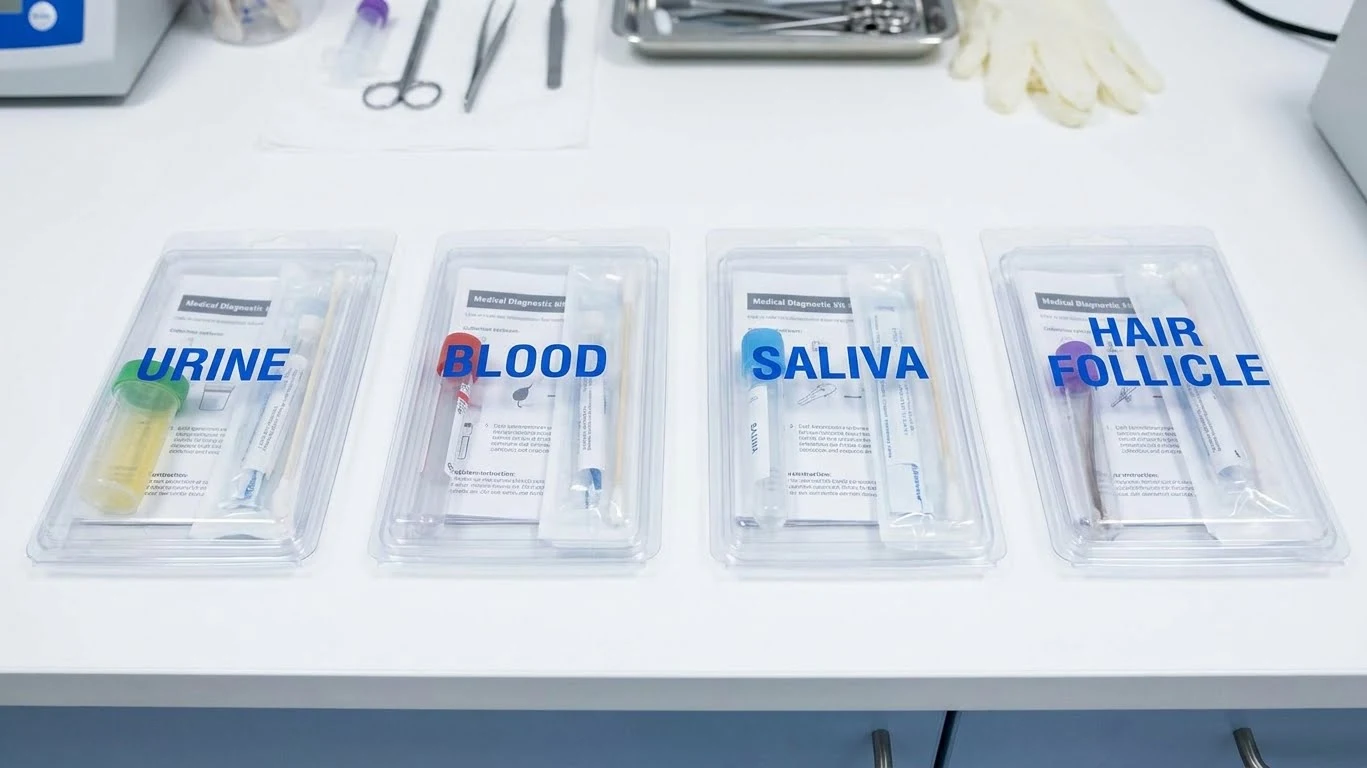
Different tests have different detection windows. Urine tests can detect meth for 1 to 7 days. Blood tests can find it for 1 to 3 days. Saliva tests work for up to 2 days. Hair follicle tests have the longest window and can detect meth for up to 90 days after the last use.
Detection Windows by Drug Test Type
Urine Test: How Long Does Meth Stay in Urine?
The urine test is the most common type of drug test. It is used by employers, courts, and rehab programs because it is quick and not too expensive. Meth can be detected in urine for 1 to 5 days after the last use. For people who use meth regularly or in heavy amounts, it may stay detectable in urine for up to 7 days. Research shows that about 70% of a meth dose is removed through urine within the first 24 hours, but traces can still remain after that.
Blood Test: How Long Does Meth Stay in Blood?
A blood test gives a shorter detection window. Meth stays in the blood for about 1 to 3 days after the last use. Based on meth’s half-life of around 10 to 12 hours, the body removes it from the bloodstream faster than from urine. Blood tests are often used in hospitals or by law enforcement because they show recent use more accurately.
Saliva Test: How Long Does Meth Stay in Saliva?
A saliva test uses a swab placed in the mouth to collect a sample. It is a popular choice for employers because it is easy to administer and hard to fake. Meth can be detected in saliva for up to 1 to 2 days after use. Some studies suggest that concentration is highest in the first 24 hours. After that, levels drop off quickly.
What Factors Affect How Long Meth Stays in Your System?
Several things can change how long meth stays in the body. How often someone uses meth plays a big role. A first-time user will clear it much faster than someone who uses it every day. The dose, body weight, age, and metabolism also matter. People with a faster metabolism break down meth more quickly. Liver and kidney health, hydration levels, and even the method of use, whether smoked, snorted, or injected, can all affect how long meth remains detectable in the system.
How Long Do the Effects of Meth Last?
The effects of meth do not last as long as the drug stays in the body. The initial rush hits fast and lasts about 30 minutes, creating an intense wave of energy and pleasure. After that, a steady high follows and can last anywhere from 8 to 16 hours depending on how much was taken and how it was used.
Once the high ends, a hard crash follows, leaving the person feeling extremely exhausted, sad, and irritable. Some people slept for days during the crash. Even after the crash, the body is still not fully recovered, and the person may feel emotionally and physically drained for several more days.
Signs of Meth Use
Meth use changes both the body and behavior in very noticeable ways. Common signs include sudden high energy, staying awake for long periods, fast weight loss, bad teeth, and skin sores. A person using meth may also look much older than they are because meth speeds up aging.
On the behavioral side, they may seem extremely anxious, paranoid, or confused. They might talk very fast, jump between topics, or say things that do not make sense. Their pupils may appear very large, and they may sweat heavily even without any physical activity.
Meth Withdrawal Symptoms

When someone stops using meth after regular use, the body and brain go through a tough adjustment period called withdrawal. This happens because the brain has become used to the high levels of dopamine that meth produces. Without the drug, dopamine levels drop sharply, causing very uncomfortable symptoms. These include extreme tiredness, deep depression, strong cravings for meth, anxiety and trouble sleeping.
One of the hardest parts of meth withdrawal is the inability to feel pleasure, sometimes called anhedonia. These symptoms can begin within 24 hours of the last use and may continue for several weeks. Because withdrawal is so difficult, medical supervision and professional support are strongly recommended during this time.
Common Meth Withdrawal Symptoms
Meth withdrawal can cause both physical and emotional symptoms as the body adjusts to being without the drug.
Extreme Tiredness and Fatigue
One of the first things people feel is deep, heavy tiredness. Meth kept the body running on high energy for a long time. Without it, the body shuts down and needs a lot of rest. Some people sleep for days straight during this stage. Meth floods the brain with dopamine, the chemical that makes you feel happy. When meth is gone, dopamine levels drop very low. This causes deep feelings of sadness, hopelessness, and emptiness that can last for weeks.
Strong Cravings
Cravings for meth can be very powerful during withdrawal. The brain remembers the feeling meth gave and wants it back. These cravings can come and go for weeks or months after stopping and are one of the biggest reasons people relapse. Many people feel very anxious, restless, or on edge during withdrawal. Small things may feel overwhelming. Mood swings and irritability are very common during this stage and can affect relationships and daily life.
Trouble Sleeping
Even though the person feels exhausted, falling asleep or staying asleep can be very difficult. Some people experience vivid or disturbing dreams when they sleep. This sleep problem can last for several weeks during recovery. This is called anhedonia. It means the person cannot enjoy things that used to make them happy. Food, hobbies, friends, and family may all feel dull and meaningless. This happens because meth damages the brain’s reward system, and it takes time to heal.
Difficulty Thinking and Focusing
During withdrawal, the brain has a hard time concentrating. Simple tasks can feel confusing or overwhelming. Memory problems and slow thinking are very common and can last for weeks after stopping meth. Meth suppresses hunger. When someone stops using it, their appetite comes back fast and strong. Sudden weight gain during early recovery is very common as the body tries to restore itself.
Meth Detox and Treatment Options

Recovering from meth addiction is possible, and help is available. Here are the main types of treatment:
Medical Detox Programs
These are supervised programs where medical staff help you through withdrawal safely. They can provide medication and support to manage symptoms.
Inpatient Treatment
You stay at a treatment center for a set period. This gives you 24-hour care, therapy, and a structured environment away from triggers.
Outpatient Treatment
You attend therapy and counseling sessions but live at home. This works well for people with a strong support system and less severe addiction.
Behavioral Therapy
Cognitive Behavioral Therapy (CBT) and other talk therapies help people understand why they use meth and how to change those patterns.
Support Groups
Groups like Crystal Meth Anonymous (CMA) offer peer support from others in recovery. These groups can make a big difference in long-term sobriety.
Risks of Meth Addiction
Meth addiction carries serious and long-lasting health risks that affect the entire body. Long-term use can damage the heart, raising the risk of heart attack and stroke. It harms the brain’s reward system, leading to memory loss, difficulty thinking, and severe mental health problems like paranoia and psychosis.
Meth also causes extreme weight loss, skin damage, and severe tooth decay commonly known as “meth mouth.” The longer someone uses meth, the harder it becomes to stop, and the risk of a fatal overdose increases significantly with heavy or long-term use.
Are you or a loved one struggling with meth addiction?
You do not have to face this alone. If you are in Grand Terrace, CA or anywhere across California, Radiant Path Therapy and Psychiatry is here to help. Our compassionate team of licensed therapists and addiction specialists is here to help you take the first step toward lasting recovery.
We offer personalized treatment plans, one-on-one counseling, and a safe and supportive environment where healing is possible. Do not wait for things to get worse. Book your appointment. Recovery starts with one call, and we are ready to walk this path with you.
Conclusion
Understanding how long meth stays in your system is important for many reasons, whether you are preparing for a drug test, going through withdrawal, or supporting a loved one in recovery. Detection times depend on how often you use, your age, metabolism, body weight, hydration, and health. The half-life of meth is about 10 to 12 hours, but metabolites can linger much longer. Professional treatment, including detox programs, therapy, and support groups, offers the best path to long-term recovery.
Frequently Asked Questions
How long does meth stay in urine?
Meth can be detected in urine for 1 to 5 days after last use. For heavy or frequent users, it may stay detectable for up to 7 days. Urine tests are the most common method used for meth screening.
How long does meth stay in blood?
Meth stays detectable in blood for about 1 to 3 days. Blood tests have a shorter window than urine tests and are mainly used in medical or legal settings.
Can drinking water remove meth faster?
Drinking water supports healthy kidney function and can help the body process waste, but it will not flush meth out quickly enough to pass a drug test. There is no proven way to speed up the elimination of meth significantly.
How accurate are meth drug tests?
Drug tests for meth are generally very accurate, especially urine and hair tests. However, they can occasionally produce false positives. Certain medications, like some cold medicines or ADHD treatments, may trigger a false positive. A confirmation test (usually a more detailed lab test) can verify results.
What is the half-life of meth?
The half-life of methamphetamine is about 10 to 12 hours. This means it takes 10 to 12 hours for the body to remove half of the drug from the bloodstream. A single dose may take 48 to 72 hours to be fully cleared from the body.