

How Telehealth Services Are Changing Addiction Treatment
Addiction treatment has traditionally meant visiting a clinic, sitting in a waiting room, and attending in-person sessions. For many people that was simply not possible. Work, family, distance, cost, all got in the way. Telehealth is changing that.
Telehealth brings addiction treatment directly to the patient through a phone, tablet, or computer, no waiting rooms, and no need to take time off work. You can connect with a doctor, therapist, or counselor from the comfort and privacy of your own home. If you are struggling with addiction the team at Radiant Path Therapy in Grand Terrace, CA is here to help guide you toward lasting recovery.
Telehealth is simple: you open your phone, join a call, and talk to a real doctor or therapist. No driving, no waiting room, no stress.
For addiction treatment, it covers therapy, group counseling, medication management, and crisis support. Before COVID-19, it was limited. The pandemic changed that fast. Clinics closed, rules relaxed, insurance caught up, and patients adapted. What started as an emergency solution became a permanent part of how addiction care works today.
The Rise of Telehealth in Addiction Care
Virtual healthcare visits surged over 150 percent in 2020. Addiction treatment was one of the biggest areas of growth. People who once avoided care because of distance, work, or stigma finally had an easier option.
Policy changes helped make it happen. The DEA allowed doctors to prescribe addiction medications like buprenorphine without an in-person visit for the first time. Insurance companies and Medicaid followed, expanding coverage for virtual care across most states.
Key Ways Telehealth Is Transforming Addiction Treatment
Telehealth did not just move addiction treatment online it changed who can actually get it. People in remote areas, people with busy schedules, and people too ashamed to walk into a clinic all suddenly had a real option.
Improved Access to Care
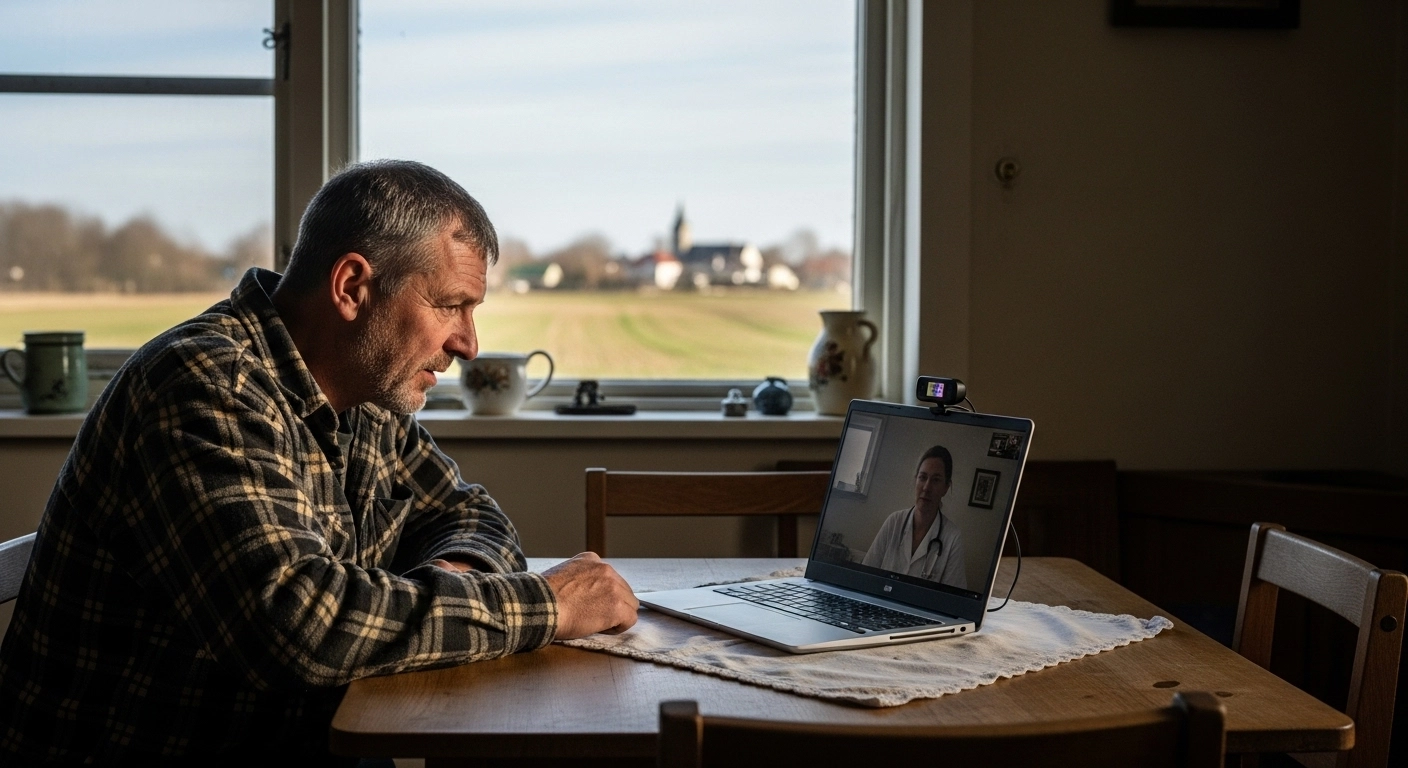
Millions of people who need addiction treatment never get it not because they do not want help, but because help is too far away. Rural areas have very few specialists, and traveling two or three hours to a clinic is not realistic for most people. Telehealth fixes that. You can now connect with a qualified specialist from anywhere, on your phone.
Flexible and Convenient Treatment Options
Recovery does not work on a fixed schedule. Telehealth lets patients book sessions early morning, evening, or during a lunch break. No transport needed, no time off work.
Enhanced Privacy and Reduced Stigma
Fear of being seen is one of the biggest reasons people avoid treatment. With telehealth, nobody sees you walk into a clinic. Sessions are private, confidential, and can happen from your car, bedroom, or anywhere you feel safe.
Cost-Effective Treatment Solutions
Getting to treatment costs money too gas, transit, parking, missed work. Telehealth removes most of those expenses. Many platforms also offer lower session fees and sliding scale pricing, making care affordable for more people.
Telehealth Services Used in Addiction Recovery
Telehealth does not just replace in-person visits it brings a full range of recovery services to your phone or laptop. From therapy and medication to support groups and recovery apps, real help is available entirely online.
Online Therapy and Counseling
Licensed therapists deliver real, evidence-based treatment through secure video calls. CBT, motivational interviewing, and trauma-focused therapy all work effectively online. Building trust through a screen takes effort, but most experienced therapists do it well.
Remote Medication-Assisted Treatment (MAT)

Doctors can now prescribe and monitor medications like buprenorphine and naltrexone through virtual visits. Patients pick up prescriptions locally and check in online, no clinic visits needed.
Digital Support Groups and Communities
AA, NA, and SMART Recovery all run virtual meetings around the clock. For someone struggling at midnight, an online meeting or community forum can be the thing that gets them through.
Mobile Apps and Recovery Tools
Apps like Sober Grid and I Am Sober track milestones, manage cravings, and connect users with sponsors. They are not a replacement for treatment, but a helpful support tool between sessions.
Benefits of Telehealth for Addiction Treatment
The advantages of telehealth in addiction treatment go beyond convenience. Here is what the research and real-world experience have shown:
Accessibility anytime, anywhere. Recovery challenges do not wait for business hours. Virtual platforms give patients access to support and resources whenever they need them.
Continuous care and follow-ups. Telehealth makes it easier to maintain regular appointments. Fewer missed sessions means more consistent progress and earlier identification of relapse risks.
Better patient engagement. Studies suggest that some patients are more engaged in virtual sessions than in-person ones, possibly because they feel more comfortable and less anxious.
Family involvement in recovery. Virtual sessions make it easier for family members to join therapy from different locations. Family support is consistently linked to better long-term recovery outcomes.

Challenges and Limitations of Telehealth in Addiction Care
Telehealth is not perfect, and it is important to be honest about where it falls short.
Technology Barriers and the Digital Divide
Not everyone has reliable internet or a device for video calls. Rural areas still struggle with poor broadband, and older patients often find the platforms difficult to use. For these groups, telehealth can create a new barrier instead of removing one.
Regulatory and Licensing Issues
A doctor licensed in one state cannot always treat a patient in another. This gets complicated fast, especially for people who move during treatment. Prescribing rules for controlled substances add even more complexity.
Building Trust in Virtual Settings
Good therapy depends on a strong relationship. That is harder to build through a screen. Body language is difficult to read, silences feel awkward, and some patients especially trauma survivors genuinely need in-person connection that a video call cannot replace.
Privacy and Data Security Concerns
Sharing sensitive health information online always carries some risk. Reputable platforms use encryption and follow HIPAA rules, but no system is completely secure. For people already worried about stigma, even a small privacy concern can be enough to stop them from seeking help.
Has Telehealth Benefited Everyone Equally?
The honest answer is no. Telehealth has helped a lot of people, but not equally. Older patients, low-income communities, and people without reliable internet have seen far fewer benefits. Racial and ethnic minorities who already face barriers in healthcare have not always gained the same access as others. Telehealth has the potential to close gaps in addiction treatment but only if it is built with everyone in mind, not just those who already have easy access to technology.
The Future of Telehealth in Addiction Treatment
The future of telehealth in addiction treatment is focused on smarter, more personal care. AI and wearable devices will help providers spot relapse risks early and monitor patients between sessions. Globally, telehealth also has the potential to bring addiction care to places where it has never existed before.
Emerging Technologies and Innovations
AI tracks sleep, mood, and behaviour to catch relapse signs early. Wearables monitor stress and health in real time, so providers can step in before a crisis happens.
Long-Term Impact on Addiction Recovery
The future is hybrid in-person care when needed, virtual check-ins when not. Globally, telehealth could bring addiction treatment to countries where specialist care has never been available.
How to Get Started with Telehealth Addiction Treatment
If you or someone you care about is considering telehealth for addiction treatment, the process is simpler than it might seem. Here are a few practical steps to begin.
Choosing the Right Platform
Look for a platform that specializes in addiction care, accepts your insurance, and is HIPAA-compliant. If medication is part of your treatment, make sure they offer MAT services.
What to Expect in Your First Session
Your first session is usually an assessment. The provider will ask about your history, current situation, and what kind of support you need. Find a quiet, private space where you can speak openly.
Tips for Successful Virtual Recovery
Show up on time and treat it like an in-person appointment
Test your camera and internet connection beforehand
Be honest with your provider virtual care only works if they have the full picture
Use apps and online groups to stay supported between sessions
Ready to Take the First Step?
If you're struggling with Telehealth and Addiction Treatment the team at Radiant Path Therapy in Grand Terrace, CA can guide you toward recovery with your addiction and telehealth treatment. Every day without treatment is another hard day. Telehealth has removed every excuse: no travel, no waiting rooms, no judgment. If you are looking to reconnect with support after a setback, telehealth services are available now and many of them can see you today.
Conclusion
Telehealth is not perfect, but it has already helped millions of people access addiction treatment they never would have found otherwise. The technology will keep improving and care will keep getting more accessible. But the most important thing it has done is simply remove the excuse that help was too hard to reach. If you or someone you love is struggling, help is available right now, from wherever you are.
Frequently Asked Questions
Is telehealth addiction treatment as effective as in-person care?
Yes. For most people, virtual therapy and medication management work just as well as in-person care.
Can I get addiction medication through telehealth?
Yes. Doctors can prescribe medications like buprenorphine and naltrexone virtually. You pick up the prescription at your local pharmacy.
Is my information private during telehealth sessions?
Reputable platforms are HIPAA-compliant and use encryption. Always verify a platform follows privacy rules before sharing personal information.
What do I need to start?
A smartphone or computer with a camera and stable internet connection. Most platforms are simple to set up.
Does insurance cover telehealth addiction treatment?
Most private insurance plans and Medicaid now cover virtual addiction treatment. Check with your provider to confirm your coverage.
What if I do not have a reliable internet?
Many providers offer phone-only sessions. Ask about this option when choosing a platform.


