How to Get Anxiety Treatment Without Medication
Anxiety can often be treated without medication through evidence-based approaches such as cognitive behavioral therapy (CBT), lifestyle changes, exercise, and mindfulness," says Melissa Rubalcava, ASW, who works with clients navigating anxiety at Radiant Path Therapy. "The goal isn't to eliminate anxiety completely, it's to help clients understand their patterns and build tools to regulate it before it takes over.
If you're looking for ways to reduce anxiety naturally, you're not alone. In this guide, you'll learn exactly how to get anxiety treatment without medication including therapy options, practical coping techniques, natural remedies, and when to seek professional support.
Understanding Anxiety
Anxiety is your nervous system’s built-in alarm system. In small amounts, it’s helpful; it sharpens focus, motivates action, and protects you from real danger. The problem arises when that alarm stays switched on, reacts too intensely, or activates without a clear threat.
Anxiety disorders are among the most common mental health conditions worldwide, including generalized anxiety disorder (GAD), panic disorder, social anxiety disorder, and specific phobias. Mentally, anxiety can cause racing thoughts, excessive worry, difficulty concentrating, and a persistent sense of dread. Physically, it may lead to rapid heartbeat, chest tightness, shortness of breath, muscle tension, headaches, and digestive discomfort. Emotionally, it often appears as irritability, restlessness, feeling on edge, or emotional numbness.
Common Causes and Triggers
Anxiety rarely has a single cause. Genetics play a role if anxiety runs in your family, you may have a biological predisposition. But lifestyle and environment are equally powerful contributors. Chronic sleep deprivation, poor diet, high work stress, relationship conflict, financial pressure, and unresolved trauma all feed anxiety.
Specific triggers vary widely by person: crowded spaces, deadlines, social situations, health worries, or even uncertainty about the future can set the nervous system into overdrive.
Recognizing Severe Anxiety
I always tell clients self-help strategies are powerful, but they have a ceiling," Rubalcava notes. "If anxiety is stopping you from working, leaving the house, or maintaining relationships, that's not a sign you've failed at coping. It's a sign you need more support, and that's exactly what therapy is for.
Lifestyle Strategies That Reduce Anxiety
Adopting simple, consistent lifestyle habits can significantly lower anxiety and improve overall well-being.
Nutrition and Blood Sugar Control
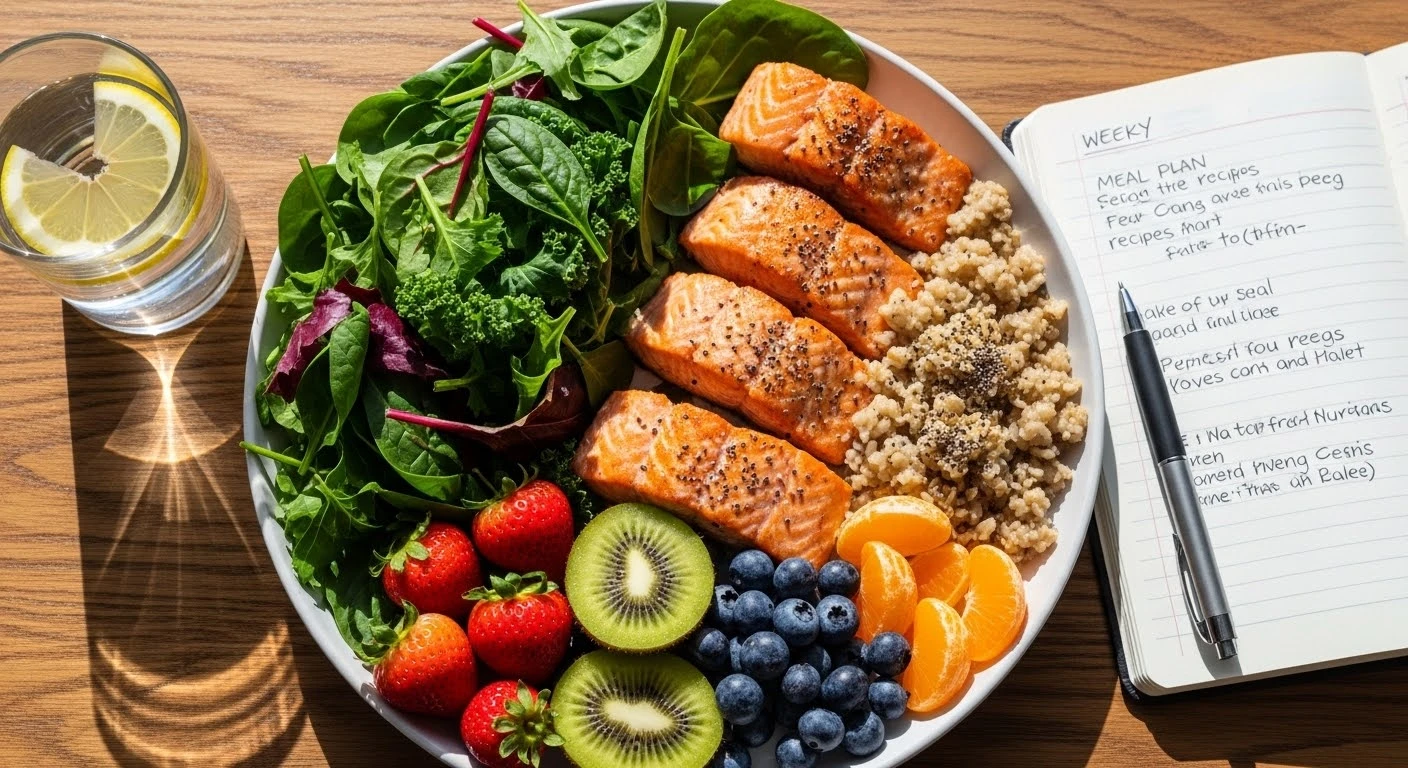
What you eat directly affects your brain and anxiety levels. Unstable blood sugar is a common but overlooked trigger. When blood sugar drops, the body releases stress hormones like cortisol and adrenaline, which can mimic anxiety symptoms such as shakiness and rapid heartbeat. Eating balanced meals with protein, fiber, and healthy fats helps maintain stable energy and mood.
Foods that support a calmer nervous system include leafy greens, fatty fish, fermented foods like yogurt, and complex carbohydrates such as oats. Refined sugar, ultra-processed foods, alcohol, and excess caffeine can worsen anxiety by overstimulating the nervous system.
Sleep Hygiene
Sleep and anxiety have a circular relationship. Anxiety makes it hard to sleep, and poor sleep makes anxiety worse. Breaking that cycle starts with consistent sleep hygiene. Keep a regular sleep and wake time, even on weekends. Avoid screens for at least 30 minutes before bed. Keep your bedroom cool, dark, and quiet.
Avoid caffeine after noon and alcohol close to bedtime, as both disrupt sleep architecture even when they feel like they're helping you wind down. If your mind races at night, try writing your worries down before bed to externalize them.
Physical Activity
Exercise is one of the most well-supported non-medication treatments for anxiety. It reduces cortisol and adrenaline levels, releases endorphins, and increases GABA, a neurotransmitter that calms the nervous system. You don't need to run marathons.
Even 30 minutes of moderate aerobic exercise three to five times per week brisk walking, cycling, swimming produces measurable anxiety reduction. Strength training is also effective, and for some people, preferable. The key is consistency and choosing movement you actually enjoy, so it becomes a habit rather than a chore.
Avoiding Stimulants
Caffeine is perhaps the single most common anxiety trigger that people overlook. It directly stimulates the sympathetic nervous system, increases heart rate, and raises cortisol. If you're anxious and drinking multiple coffees per day, cutting back is one of the fastest interventions available. The same applies to energy drinks, nicotine, and high-sugar foods. Reducing or eliminating these doesn't mean your life has to be joyless — it means your baseline nervous system state stops being one of constant activation.
Routine and Structured Daily Habits
Anxiety thrives on uncertainty and unpredictability. A structured daily routine consistent with wake times, mealtimes, work blocks, and wind-down rituals signals to your nervous system that the world is manageable and predictable.
This doesn't mean rigidity; it means giving your brain anchors throughout the day. Even simple habits like making your bed, taking a 10-minute walk after lunch, and having a consistent bedtime routine create a sense of stability that genuinely reduces baseline anxiety over time.
Mind-Body Approaches
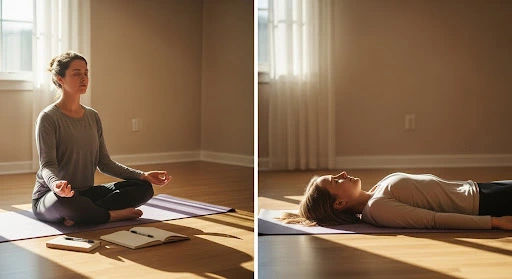
Mind-body techniques help regulate the nervous system by strengthening the connection between physical sensations and emotional responses.
Mindfulness Meditation and Journaling
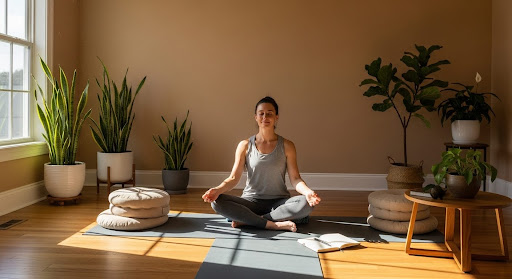
Mindfulness teaches you to observe your thoughts without getting caught up in them — a powerful skill for managing anxiety. Start with just five minutes of focusing on your breath, gently bringing your attention back whenever your mind wanders. Even short, consistent practice can make a difference.
Journaling complements mindfulness by putting anxious thoughts onto paper, which helps reduce their intensity. Spend a few minutes writing what’s on your mind, then note one thing you’re grateful for and one positive intention for the day. Over time, this practice can reveal patterns in your triggers and improve emotional awareness
Deep Breathing and Grounding Exercises
When anxiety rises, breathing often becomes fast and shallow, which intensifies the stress response. Slowing your breath can quickly calm your nervous system. Try box breathing: inhale for four counts, hold for four, exhale for four, hold for four, and repeat for a few minutes.
Grounding techniques help during acute anxiety or panic by shifting your focus back to the present moment and interrupting spiraling thoughts.
Cognitive Behavioral Techniques
Cognitive Behavioral Therapy (CBT) is one of the most effective treatments for anxiety, and many of its tools can be used on your own. It focuses on identifying cognitive distortions unhelpful thought patterns like catastrophizing, all-or-nothing thinking, or assuming others are judging you. Once you notice these thoughts, challenge them by asking: What’s the evidence? Is there a more balanced way to view this?
Keeping a simple thought record noting the situation, your automatic thought, the emotion, and a healthier reframe can gradually reduce anxiety when practiced consistently.
Yoga and Progressive Muscle Relaxation
Yoga combines gentle movement with controlled breathing to calm the nervous system and improve body awareness. Progressive Muscle Relaxation (PMR) involves tensing and releasing muscle groups to ease physical tension, which often helps reduce mental anxiety as well.
Emotional Freedom Technique (EFT/Tapping)
EFT involves tapping specific acupressure points while acknowledging anxious thoughts and practicing self-acceptance. Although research is still developing, some studies suggest it may reduce anxiety levels. Many people find it helpful for managing short-term anxiety and specific fears.
Natural and Over-the-Counter Remedies
Many people prefer supportive options that feel accessible and less intensive than prescription treatments, especially for mild to moderate anxiety.
Herbal Supplements
Some herbal supplements show evidence for helping with mild to moderate anxiety. Ashwagandha, an adaptogenic herb, has been shown in clinical studies to lower cortisol and reduce anxiety symptoms. Chamomile has demonstrated benefits, particularly for generalized anxiety disorder (GAD). Kava may provide noticeable anxiety relief, but it should be used cautiously due to potential liver risks with long-term or excessive use. Gentler options like lemon balm and passionflower may help reduce restlessness and mild anxiety.
Vitamins and Minerals
Magnesium plays a key role in nervous system regulation, and low levels have been linked to increased anxiety. Forms like magnesium glycinate are well absorbed and easier on the stomach. B vitamins, especially B6 and B12, support neurotransmitter production and energy balance, both of which influence mood. Omega-3 fatty acids, commonly found in fish oil, have anti-inflammatory effects and have shown benefits for mood and anxiety in several studies.
CBD (Cannabidiol)
CBD is increasingly used for anxiety, and early research suggests it may support serotonin signaling and calm overactivity in the brain’s threat-response system. However, product quality varies widely. If considering CBD, choose brands that provide third-party lab testing and begin with a low dose. Always check local regulations, as legal status differs by region.
Non-Medical Aids
Weighted blankets provide gentle pressure that may activate the body’s relaxation response. Aromatherapy, particularly lavender, has modest evidence for reducing stress. Calming music, nature sounds, and similar tools can also promote relaxation. While these aids are not standalone treatments, they can enhance a broader anxiety-management plan.
Behavioral Self-Help Approaches
These strategies empower you to take an active role in managing your anxiety and building long-term coping skills.
Structured Self-Help Programs
Self-help tools like CBT-based exercises, workbooks, and online courses offer practical ways to manage anxiety at home. Regular use over several weeks can produce results similar to in-person therapy for mild to moderate anxiety.
Managing Unhelpful Thoughts
Anxiety often grows from unresolved worries. Schedule a short daily “worry time” to write down concerns and identify what’s in your control. Take actionable steps for what you can change and practice acceptance for what you cannot.
Social Support and Accountability
Connection reduces anxiety. Talk with friends, family, or peer groups, and share your goals with an accountability partner to stay consistent with self-help strategies.
Professional Support Without Medication
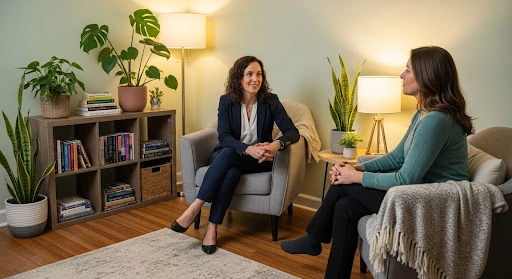
Seeking help from trained professionals can provide guidance, structure, and evidence-based strategies without relying on drugs.
Therapy Options
Therapy is not a sign of weakness, it's one of the most effective interventions for anxiety. Cognitive Behavioral Therapy (CBT) remains the gold standard, with decades of research behind it. Acceptance and Commitment Therapy (ACT) focuses on changing your relationship to anxious thoughts rather than eliminating them. Exposure therapy is especially effective for phobias and social anxiety, gradually building tolerance to feared situations. Group therapy adds the benefit of social connection and shared experience.
Teletherapy and Online Counseling
Teletherapy has made professional support more accessible than ever, connecting you with licensed therapists via video, phone, or text. For people in rural areas, those with busy schedules, or anyone who finds office visits stressful, online counseling removes significant barriers.
When to Consider Multi-Modal Approaches
The most effective treatment often combines multiple strategies. Therapy paired with exercise, improved sleep, and select natural supplements typically outperforms any single intervention, creating a comprehensive plan for long-term anxiety management.
Potential Limitations and When Medication Might Be Needed
Non-medication approaches can be highly effective, but they’re not suitable for every situation. Severe or persistent anxiety that significantly impacts daily life may require medication to provide stability and make other treatments more effective. Combining medication with therapy often produces the best long-term outcomes, rather than relying on either alone. If your symptoms are worsening or unmanageable, consult a licensed mental health professional. There's no benefit in avoiding medication when it’s genuinely needed.
Common Mistakes to Avoid
A frequent mistake is relying on supplements while neglecting core strategies like sleep, exercise, therapy, and healthy thought patterns supplements support the nervous system but can’t rewire it. Expecting instant results from lifestyle changes is another pitfall; meaningful anxiety reduction takes weeks or months.
Quick Tips to Start Anxiety Treatment Without Medication
Pick three simple actions from this list and commit to them for 30 days: take five deep breaths each morning, write down worries for 10 minutes before bed, walk 20 minutes daily, reduce caffeine, go to bed at the same time each night, or track your anxiety to identify triggers.
You don’t need to overhaul your life at once. Small, consistent steps add up over time. Anxiety is not a flaw, and with the right tools, support, and patience, a calmer, more balanced life is entirely possible.
Ready to Take the Next Step Toward Healing?
You don’t have to navigate anxiety on your own. Radiant Path Therapy offers compassionate, evidence‑based care to help you build clarity, emotional balance, and long‑term change. Whether you're dealing with anxiety, trauma, or stress, our team will guide you through a personalized treatment plan that fits your needs. Start your journey to healing today — contact Radiant Path Therapy and schedule your appointment with a therapist who listens and supports you every step of the way.
Conclusion
Managing anxiety without medication is entirely possible through a combination of lifestyle adjustments, mind-body practices, cognitive behavioral techniques, natural remedies, and professional support. The key is consistency, patience, and finding the strategies that work best for you. While non-medication approaches can be highly effective for mild to moderate anxiety, seeking professional guidance is crucial when symptoms interfere with daily life. By taking small, intentional steps every day, you can reduce anxiety, regain control, and improve your overall well-being creating a calmer, more balanced life without relying on medications.
Frequently Asked Questions
Can anxiety be treated without medication?
Yes. Many people successfully manage anxiety using evidence-based approaches such as CBT, lifestyle changes, mindfulness, regular exercise, improved sleep, and certain natural supplements. Non-medication strategies can be effective for mild to moderate anxiety.
How long does it take to see results from non-medication approaches?
Results vary, but consistent practice usually produces noticeable improvements within 4–12 weeks. Lifestyle changes, cognitive exercises, and mind-body techniques compound over time, so patience and consistency are essential.
Are herbal supplements effective for anxiety?
Some herbal supplements like ashwagandha, chamomile, lemon balm, and passionflower have been shown in studies to reduce mild to moderate anxiety. However, they are most effective when combined with foundational practices like sleep, exercise, and therapy.
When should I seek professional help for anxiety?
If anxiety significantly disrupts your daily life, affects work or relationships, or comes with panic attacks, severe depression, or thoughts of self-harm, professional guidance is crucial. Therapists can provide structure, evidence-based techniques, and tailored support.
Can I combine non-medication strategies with medication?
Absolutely. Combining therapy, lifestyle adjustments, and select supplements with medication often produces better long-term outcomes than either approach alone. Medication can stabilize symptoms, making other strategies more effective.


