
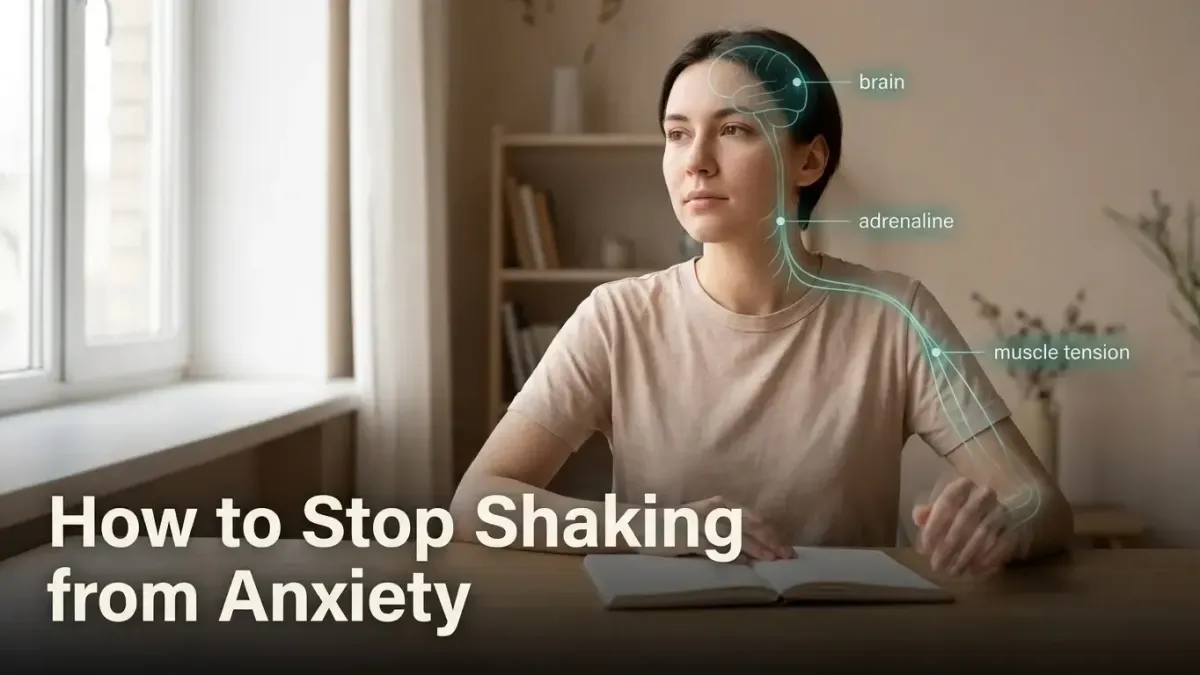
How to Stop Shaking from Anxiety Immediately and Long Term Relief
To stop shaking from anxiety quickly, use slow controlled breathing, like the 4-7-8 method, combined with a grounding technique such as 5-4-3-2-1. Both signal your nervous system that the threat has passed, and shaking typically eases within a few minutes.
Anxiety shaking is one of the most common physical symptoms of stress and fear, and most people have no idea how to stop it. It shows up in meetings, social situations, before difficult conversations, and sometimes for no reason at all. Your voice wavers, your legs feel unsteady, and the more you try to stop the shaking the worse it gets. But the moment you control your breathing, you send a direct signal to your brain that the threat is over, and the shaking begins to ease within seconds.
Breathing is just the beginning. This guide covers every technique that actually works: fast relief methods you can use the moment shaking starts, natural strategies that reduce anxiety tremors over time, and long-term solutions that stop anxiety from controlling your body altogether.
Why Anxiety Makes Your Body Shake
Your hands are trembling. Your heart is racing. And you are not even sure why. Anxiety shaking is one of the most common physical responses to stress and fear. It can happen before a presentation, in a crowded room, or sometimes out of nowhere. The good news is that anxiety tremors are not dangerous. They are your body doing exactly what it was designed to do. This guide covers fast relief techniques you can use right now, natural strategies to reduce shaking without medication, and long term solutions to stop tremors from taking over your daily life.
What Causes Shaking from Anxiety?
When anxiety hits your body does not wait for instructions. It reacts instantly.
The Fight or Flight Response
The moment your brain detects a threat real or imagined it triggers a survival response known as fight or flight. It does not matter whether the threat is a dangerous situation or a room full of people staring at you. Your brain treats both exactly the same way.
The Role of Adrenaline and Cortisol
The second fight or flight kicks in and your body floods with adrenaline and cortisol. These stress hormones prepare your body to either fight or run. Your heart beats faster. Your muscles tense. Blood rushes to your limbs.And your body begins to shake because all of that built up energy has nowhere to go.
Why Your Hands, Legs, and Voice Shake
The shaking is your muscles responding to that adrenaline surge. Your body is literally preparing to move at high speed. When you do not physically run or fight that energy stays trapped in your muscles and comes out as trembling. Hands shake because we watch them closely. Legs shake because they are built for running. Your voice shakes because tension builds in your chest and throat.
Social situations where you feel judged or watched put your nervous system on high alert before you have even walked through the door.
Public speaking is one of the most common triggers in the world. Standing in front of a room full of people waiting for you to speak sends your body straight into fight or flight.
High stress events like job interviews, exams, and difficult conversations create the same response. Your body treats anticipation of a threat the same way it treats the threat itself.
Health anxiety keeps your nervous system in a constant state of low level alert that can spike into full shaking at any moment.
Crowded or unfamiliar environments overwhelm your senses and trigger anxiety tremors even when nothing specific has gone wrong.
The trigger is rarely the real problem. It is your nervous system's reaction to it and that reaction can be changed.
Symptoms That Often Come With Anxiety Shaking
Anxiety shaking rarely arrives alone. When your nervous system enters fight or flight mode your entire body responds at once and the shaking is usually just the most visible part of what is happening inside.
Most people also experience a rapid or pounding heartbeat, sweating, dizziness, shortness of breath, and muscle tension all at the same time. Some feel nausea, dry mouth, or a strange sense of being detached from their surroundings like they are watching themselves from a distance.
The most important thing to understand is that every one of these symptoms is caused by the same anxiety response. They are not separate problems. They are all part of one reaction. And when you learn to calm the root cause the symptoms begin to ease together.
How to Stop Shaking from Anxiety Immediately
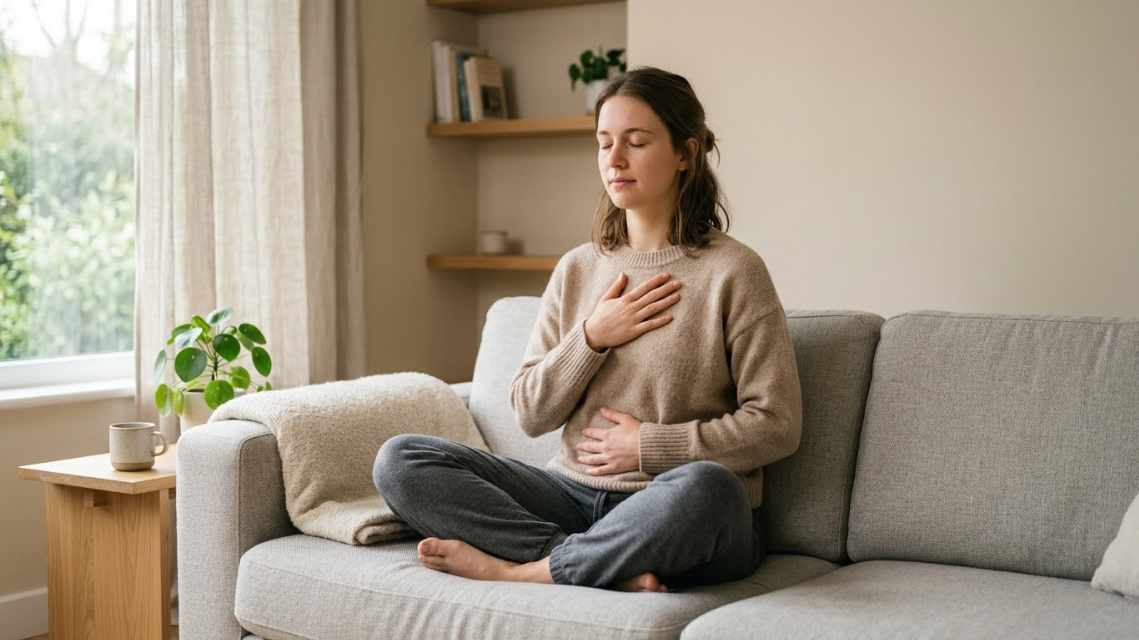
When the shaking starts you do not have time for a long complicated process. You need something that works fast. These techniques interrupt the anxiety response directly and bring your nervous system back to calm within minutes.
Deep Breathing
Slow controlled breathing is the fastest way to switch your nervous system out of fight or flight. Try the 4-7-8 method. Inhale for 4 counts. Hold for 7. Exhale slowly for 8. Repeat three to four times. Your heart rate will slow, your muscles will begin to release, and the shaking will start to ease almost immediately.
Grounding Techniques
Grounding pulls your attention out of your anxious thoughts and back into the present moment. Use the 5-4-3-2-1 method. Name 5 things you can see, 4 you can feel, 3 you can hear, 2 you can smell, and 1 you can taste. This simple exercise forces your brain to engage with reality rather than the imagined threat causing the shaking.
Progressive Muscle Relaxation
Tense each muscle group in your body for five seconds then release completely. Start at your feet and work upward through your legs, stomach, hands, arms, and shoulders. Deliberately releasing muscle tension directly reduces the physical shaking caused by anxiety.
Cold Water or Temperature Reset
Splash cold water on your face or hold your wrists under cold running water. This activates a natural reflex that slows your heart rate and calms your nervous system almost instantly. Holding an ice cube works equally well if water is not available.

Reframe Your Thoughts
Anxious thoughts fuel the physical response. Ask yourself is this thought based on fact or fear? What is the most realistic outcome here? Slowing your thoughts down reduces the mental fuel keeping the shaking going.
Light Physical Movement
Walk, stretch, or deliberately shake your arms and legs out. Movement helps your body discharge the excess adrenaline that is causing the tremors and signals to your nervous system that the emergency is over.
How to Calm Anxiety Shakes in Public
Public anxiety shaking feels worse because the fear of being noticed adds a whole new layer of anxiety on top of the original trigger. These techniques are subtle enough to use anywhere without drawing attention.
Breathe slowly and deeply through your nose with your mouth closed. Nobody will notice but your nervous system will begin to calm within seconds. Press your feet firmly into the floor to ground yourself physically and mentally. Place your hands flat on your thighs or hold a solid object to reduce the visible trembling.
Sit or stand upright with your shoulders back. Collapsing inward makes anxiety worse. An open posture sends confidence signals directly to your brain and reduces the fight or flight response.
If panic hits suddenly remove yourself from the situation, find a quiet space, and remind yourself that what you are feeling is temporary and not dangerous.
Why are you afraid of shaking in front of other people?
Being afraid of shaking is its own kind of anxiety. It works like this: you worry about shaking, that worry makes you more anxious, and the anxiety makes you shake more. This is a loop, and it can feel hard to break.

Here is what helps. Most people are too busy thinking about themselves to notice a small shake in your hands. Trying hard to hide the shaking often makes your muscles tighter, which can make it worse, not better. Instead of trying to stop the shaking completely, try to remind yourself that it is a normal body reaction and not dangerous. This shift in thinking is a core part of Cognitive Behavioral Therapy, which is already covered later in this guide.
How do you stop your hands from shaking during an interview or presentation?
Hold something, a pen, a folder, or a glass of water, so the tremor has somewhere to go and becomes far less visually noticeable. Keeping hands below heart level and pressing your palms together for 10 seconds before the moment starts also helps interrupt the tremor pattern pre-emptively.
Elevated or gesturing hands tend to show tremor more visibly than hands resting on a table, in your lap, or holding an object. Using a grounding grip (pressing palms together or holding your own wrist) right before a known stressful moment, walking into an interview, stepping on stage, works preventatively rather than reactively.
Why does anxiety shaking happen more at night?
Anxiety shaking often worsens at night due to a combination of low blood sugar, fewer daytime distractions to mask anxious thoughts, and natural cortisol shifts that can spike in the early morning hours. A light snack before bed and a wind-down breathing routine can reduce night-time shaking for most people.
If shaking happens close to bedtime, it's often linked to hours without eating and a quieter environment that makes anxious thoughts more noticeable. If it's specifically waking you up in the middle of the night on a recurring basis, that pattern can overlap with nocturnal panic attacks and is worth discussing with a therapist.
How to Stop Anxiety Tremors Naturally
Managing anxiety tremors naturally starts with understanding what your nervous system needs to stay calm. Small consistent lifestyle changes make a bigger difference than most people expect.
Reduce Caffeine and Stimulants
Caffeine directly stimulates your nervous system and raises adrenaline levels. If you experience frequent anxiety shaking, cutting back on coffee and energy drinks can make a noticeable difference within days.
Improve Sleep Quality
Poor sleep raises cortisol levels and makes your nervous system hypersensitive. Prioritizing seven to nine hours of quality sleep each night is one of the most powerful natural tools for reducing anxiety tremors over time.
Stay Hydrated
Dehydration increases cortisol production and makes anxiety symptoms significantly worse. Drinking enough water throughout the day directly supports your nervous system and helps regulate your stress response.
Eat a Balanced Diet
A diet rich in magnesium, B vitamins, and omega 3 fatty acids supports nervous system function and reduces anxiety sensitivity. Leafy greens, nuts, seeds, oily fish, and whole grains are all beneficial. Never skip meals as low blood sugar can trigger or worsen anxiety shaking directly.
Exercise Regularly
Exercise burns off excess adrenaline, reduces cortisol, and releases endorphins that improve mood and lower stress sensitivity. Even thirty minutes of moderate movement most days of the week produces noticeable results in how your body handles anxiety.
Long-Term Strategies to Prevent Anxiety Shaking
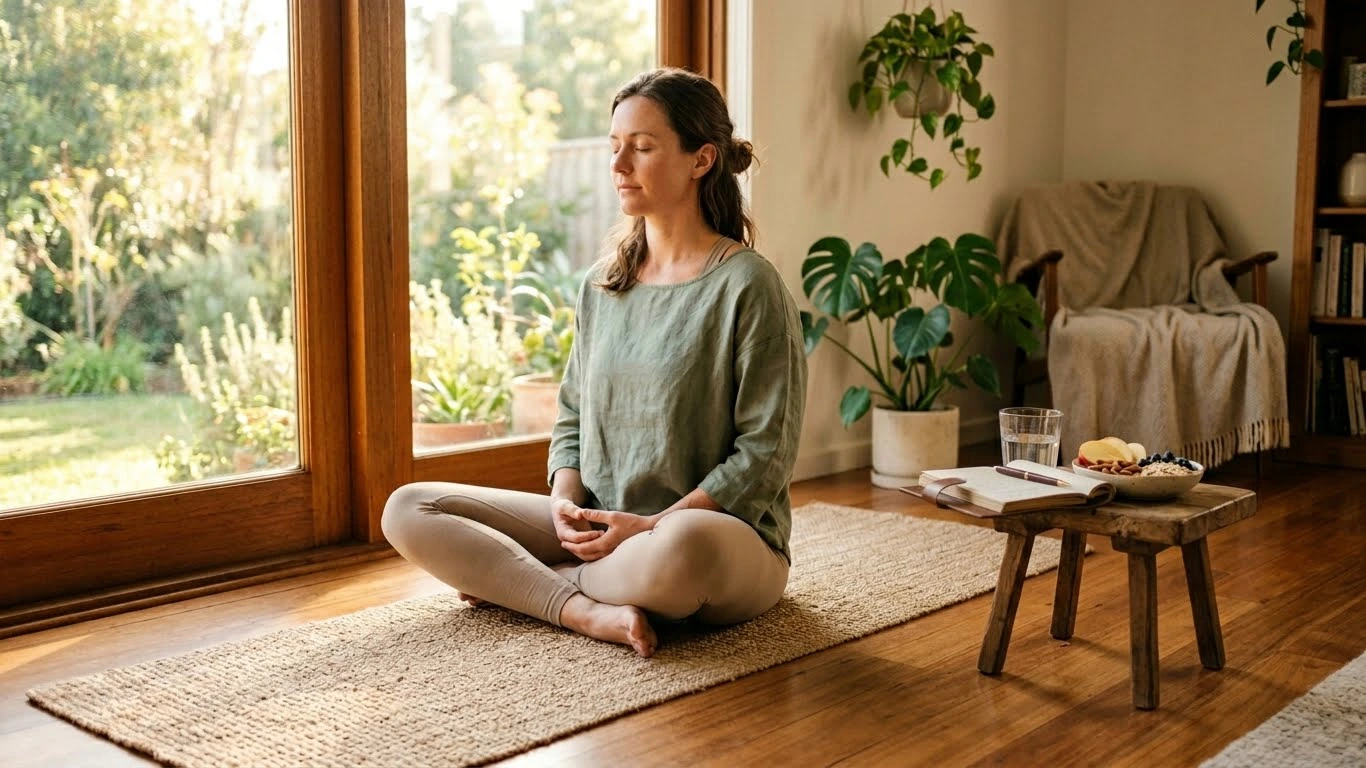
Fast relief techniques get you through the moment. But long term strategies change how your nervous system responds to stress permanently.
Mindfulness and Meditation
Regular mindfulness practice trains your brain to observe anxious thoughts without reacting to them. Over time this reduces the intensity and frequency of the fight or flight response. Even ten minutes of daily meditation produces measurable changes in anxiety levels.
Stress Management Techniques
Identify the main sources of stress in your life and develop consistent strategies to manage them. Time management, setting boundaries, and building recovery time into your routine all reduce the baseline level of anxiety your nervous system is operating at.
Cognitive Behavioral Therapy
CBT is one of the most well researched and effective treatments for anxiety disorders. It works by identifying and changing the thought patterns that trigger the anxiety response. Many people see significant improvement within eight to sixteen weeks of regular sessions.
Building a Support System
Isolation makes anxiety worse. Staying connected with people you trust, talking openly about what you are experiencing, and allowing others to support you reduces the emotional load that contributes to anxiety tremors.
Journaling and Emotional Regulation
Writing about your anxiety helps you understand your triggers, process difficult emotions, and track patterns over time. Regular journaling gives you a clearer picture of what situations cause your anxiety to spike and what strategies help you recover fastest.
When to Seek Professional Help
Fast relief techniques help most people manage anxiety shaking effectively. But there are times when professional support is necessary.
Speak to a professional if:
Your shaking is frequent, severe, or happening without an obvious trigger
Anxiety is stopping you from doing things you want or need to do
You are experiencing regular panic attacks
Self help strategies are not making a difference
Panic Attacks vs Normal Anxiety
Normal anxiety shaking is linked to a specific trigger and passes within minutes. A panic attack feels sudden, overwhelming, and can include chest pain and difficulty breathing. If panic attacks are happening regularly, professional support can make a life changing difference.
Therapy Options
Cognitive Behavioral Therapy is the most widely recommended treatment for anxiety. Medication, exposure therapy, or a combination of both are also effective depending on your situation. Seeking help is not a sign of weakness. It is one of the most effective decisions you can make.
Anxiety Shaking vs Essential Tremor
Not all shaking is caused by anxiety and it is important to understand the difference so you can get the right support.
Anxiety shaking
It is directly linked to stress, fear, or emotional triggers. It comes and goes depending on your anxiety levels, improves when you calm down, and is usually accompanied by other symptoms like a racing heart and sweating.
Essential tremor
It is a neurological condition that causes involuntary shaking unrelated to emotion or stress. It is typically constant, worsens with movement, and does not improve with relaxation techniques or calming strategies.
When It May Not Be Anxiety
If your shaking is persistent, happens when you are completely calm, does not respond to relaxation techniques, or is getting progressively worse over time, speak to a doctor. Other conditions including thyroid disorders, low blood sugar, and medication side effects can also cause tremors that are mistaken for anxiety. Proper diagnosis matters because the treatment for each condition is completely different.
Quick Summary
Use deep breathing to activate your parasympathetic nervous system
Use grounding techniques to return to the present moment
Use progressive muscle relaxation to release trapped tension
Move your body to discharge excess adrenaline
Reduce caffeine, improve sleep, and stay hydrated
Build long term resilience through mindfulness, CBT, and support systems
Seek professional help if shaking is frequent, severe, or disruptive
Can medication cause shaking that looks like anxiety?
Yes. Some common anxiety and depression medications can cause shaking as a side effect. This includes SSRIs like sertraline (Zoloft) and fluoxetine (Prozac), and SNRIs like venlafaxine (Effexor). These often cause a fine, steady tremor, especially at higher doses.
Benzodiazepines, like Xanax or Klonopin, work the opposite way. They usually calm shaking in the short term. But stopping them suddenly, or the gap between doses wearing off, can cause shaking to come back, sometimes worse than before.
If you started a new medication and noticed shaking soon after, do not stop taking it on your own. Talk to your doctor. They can tell you if it is a normal side effect or something else.
What is a psychogenic tremor?
A psychogenic tremor is shaking caused by psychological factors, such as anxiety, stress, or fear, rather than a neurological condition. It's the clinical umbrella term covering anxiety shaking, stress shaking, and fear-induced shaking alike, and it typically eases as the underlying emotional trigger resolves.
Psychogenic tremors differ from adrenaline shaking without an emotional trigger (which can follow any high-arousal event, including good news) and from pain-induced shaking, a related reflex triggered by acute physical pain or cold exposure rather than emotion. All three use the same fight-or-flight pathway, but identifying which one applies helps target the right response, an injury needs treatment, not breathing exercises.
Conclusion
You came here because anxiety is showing up in your body in a way that feels impossible to control. The trembling hands. The unsteady voice. The constant awareness of what your body might do next in a room full of people. That is exhausting to live with and you deserve better than just getting through each day hoping it does not happen again.
Now you know why it happens. Now you know what to do when it does. The techniques in this guide are not complicated. They are practical, proven, and available to you at any moment the shaking starts. The more consistently you use them the less power anxiety has over your body.
Fast relief gets you through the moment. Long term practice changes who you are at that moment. And with enough time and consistency the situations that once made your hands tremble will no longer feel like threats at all.
Ready to Take Control of Your Anxiety?
Shaking, trembling, and living in fear of the next anxiety episode is exhausting. You deserve real support, not just advice from a screen.
If anxiety is affecting your daily life, your confidence, or your ability to show up the way you want to, speaking to a professional can change everything. Contact Radiant Path Therapy today to schedule a consultation and begin your path the right strategies, and the right support make the difference between managing anxiety and genuinely overcoming it.
Frequently Asked Questions
How to stop shaking from anxiety instantly?
Focus on slow controlled breathing using the 4-7-8 or box breathing method. Combine this with grounding techniques like the 5-4-3-2-1 method to bring your nervous system out of fight or flight quickly.
Can anxiety cause uncontrollable shaking?
Yes. During intense anxiety or panic attacks the surge of adrenaline can cause shaking that feels difficult to control. It is temporary and will pass as your nervous system calms down.
How long do anxiety tremors last?
Most anxiety tremors last between a few minutes and half an hour depending on the intensity of the anxiety response. With calming techniques you can significantly shorten this window.
Why does body shake even when you feel calm?
Residual adrenaline can keep your body shaking even after the anxious thoughts have passed. Your nervous system takes time to fully return to baseline after a stress response. This is normal and will resolve on its own.
Can dehydration or caffeine make anxiety shaking worse?
Yes. Both dehydration and caffeine increase cortisol and adrenaline levels which directly worsen anxiety symptoms including shaking. Reducing caffeine intake and staying well hydrated can noticeably reduce the frequency and intensity of anxiety tremors.
Can anger cause shaking, and how do you stop it?
Yes. Anger triggers the same adrenaline surge as fear and anxiety, which is why some people shake when they're furious. Stepping away from the situation briefly and using slow, breath-focused techniques before responding, not mid-argument, is the fastest way to stop it.
What's the difference between jitters and anxiety shaking?
Jitters are a light, buzzy feeling of restlessness in your body. Shaking is when you can actually see your hands, legs, or voice tremble. Jitters often come from caffeine or low blood sugar, not just anxiety. If you feel jittery, check what you ate and drank first. If the feeling stays after that, try the same breathing and grounding steps used for anxiety shaking.
How do you stop your legs from shaking due to anxiety?
Press both feet flat on the floor. Hold for 10 seconds, then let go. This uses the same muscles that are shaking and helps release the tension. If you can, stand up and walk. Your legs are built to move, so walking calms them faster than sitting still. If you are stuck in a seat, tense and relax your calf and thigh muscles a few times instead.


