
What Are the Long-Term Effects of Early Childhood Trauma?
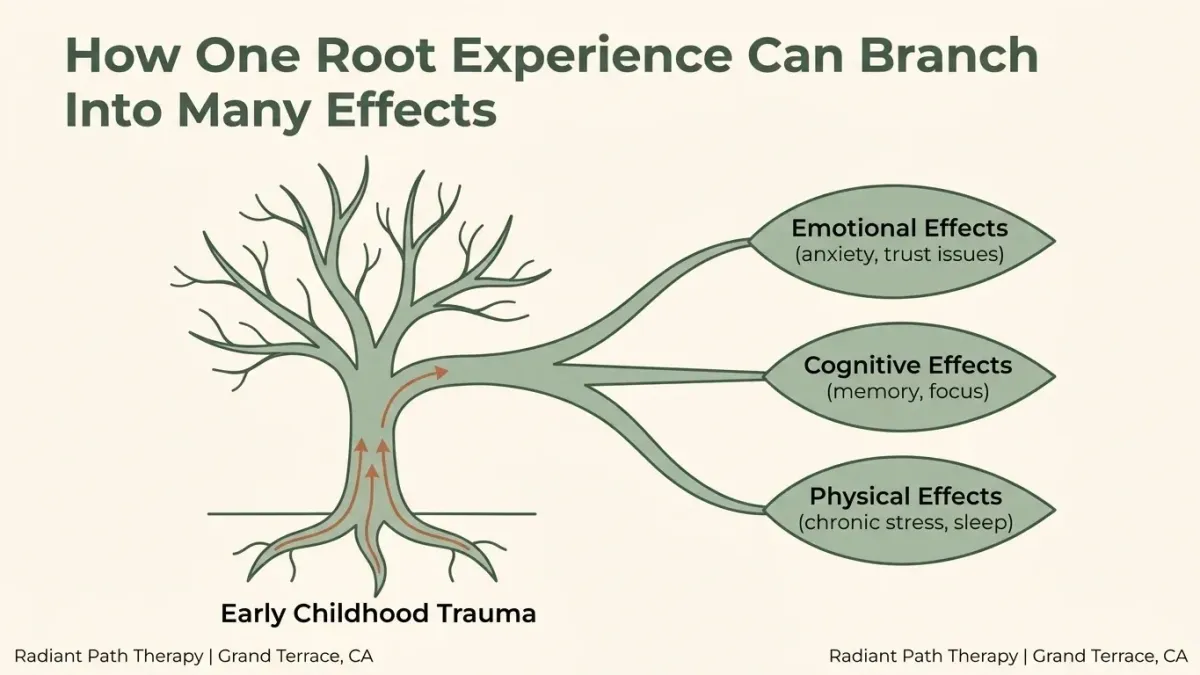
The long-term effects of early childhood trauma can affect how a person thinks, feels, forms relationships, responds to stress, and manages everyday life. Research has linked childhood trauma with difficulties involving attention, working memory, emotional regulation, and executive functioning, although the effects can differ greatly from one person to another.
For adults in Grand Terrace, these effects may appear years after the original experiences. At Radiant Path Therapy, understanding how early trauma can influence anxiety, trust, emotional reactions, memory, relationships, and coping patterns can be an important part of recognizing what may be happening in the present.
Childhood trauma does not affect every person in the same way, and long-term struggles are not necessarily permanent. Support, trauma-informed care, and appropriate therapeutic approaches may help people develop healthier emotional patterns, improve coping skills, and move toward greater stability and well-being.
What Is Early Childhood Trauma?
Childhood trauma is any deeply distressing experience that overwhelms a child's ability to cope. Children do not have the emotional tools adults have, so painful or frightening experiences can affect them far more deeply and for far longer.
Physical, emotional, or sexual abuse
Neglect being without care, safety, or emotional connection
Losing a parent or caregiver
Growing up around domestic violence, addiction, or serious instability
What Are Adverse Childhood Experiences (ACEs)?
In the 1990s, a landmark study introduced the concept of Adverse Childhood Experiences known as ACEs. Researchers found that specific types of childhood trauma have measurable long-term effects on health and wellbeing.
Abuse physical, emotional, and sexual
Neglect physical and emotional
Household challenges domestic violence, parental mental illness, substance abuse, or incarceration.
Psychological Effects of Early Childhood Trauma
For many adults, the roots of anxiety, sadness, or difficulty managing stress trace back to experiences that happened long before they had the tools to process them.
Anxiety and Depression
When a child grows up feeling unsafe or unloved, their nervous system learns to stay on high alert. That does not simply switch off in adulthood. It becomes the baseline showing up as constant worry, fear without a clear reason, or a deep and persistent sadness that is hard to shake.
PTSD and Complex Trauma
Childhood trauma especially when it happens repeatedly can lead to PTSD or Complex PTSD in adulthood. This means flashbacks, nightmares, feeling emotionally numb, and a deep struggle with self-worth and relationships. Many people live with these symptoms for years without ever connecting them back to their childhood.
Emotional Regulation Difficulties
Children learn how to handle emotions through safe and caring adults. When that safety is missing, that learning never fully happens. In adulthood this shows up as emotions that feel overwhelming, reactions that seem too big for the situation, and a constant feeling that your feelings are in control not you.
Emotional and Behavioral Effects
Childhood trauma can affect how a person manages emotions and responds to stressful situations. Some adults may experience sudden anger, irritability, emotional numbness, or strong reactions that feel difficult to control. Others may avoid certain people, places, or situations because they trigger uncomfortable feelings or memories.
Trauma can also lead to coping behaviors such as isolation, risk-taking, substance use, or avoiding close relationships. These patterns may develop as ways to feel safer or manage emotional distress. With the right support, people can learn healthier coping skills and respond to emotions in more balanced ways.
Effects on Relationships and Attachment
Early childhood trauma can affect how a person learns to trust, connect, and feel safe with others. If care was inconsistent, unsafe, or emotionally unavailable, close relationships may feel difficult even years later. These patterns can influence friendships, family relationships, and romantic partnerships.
Trust Issues
People who experienced childhood trauma may find it hard to trust others, especially when the people they depended on were also a source of fear or disappointment. They may expect rejection, betrayal, or harm even in safe relationships. Building trust often takes time, consistency, and a sense of emotional safety.
Fear of Abandonment
Some adults develop a strong fear of being rejected or left behind. This may appear as becoming overly attached, needing frequent reassurance, or creating distance before someone else can leave. These responses often develop as ways to protect against emotional pain.
Challenges in Romantic and Social Relationships
Childhood experiences can shape expectations about closeness, communication, and emotional safety. Some people may struggle with intimacy, setting boundaries, resolving conflict, or expressing their needs. With awareness and support, healthier relationship patterns can be learned over time.
Cognitive and Learning Effects
Early childhood trauma may also affect attention, memory, learning, and other thinking skills. When a child spends a great deal of energy responding to stress or danger, it can become harder to focus on learning and daily tasks. For some people, these difficulties can continue into adolescence or adulthood.
Memory and Concentration Problems
Trauma-related stress may make it harder to concentrate, remember information, or stay focused for long periods. Some people become easily distracted because their attention is often directed toward possible threats or stress. These difficulties can affect school, work, and everyday responsibilities.
Impact on School Performance
Children dealing with ongoing trauma may struggle to focus, complete assignments, remember lessons, or manage their behavior in the classroom. Their difficulties can sometimes be mistaken for a lack of effort or motivation. Supportive adults, a stable environment, and appropriate care can help improve learning and school participation.
Physical Health Effects of Childhood Trauma
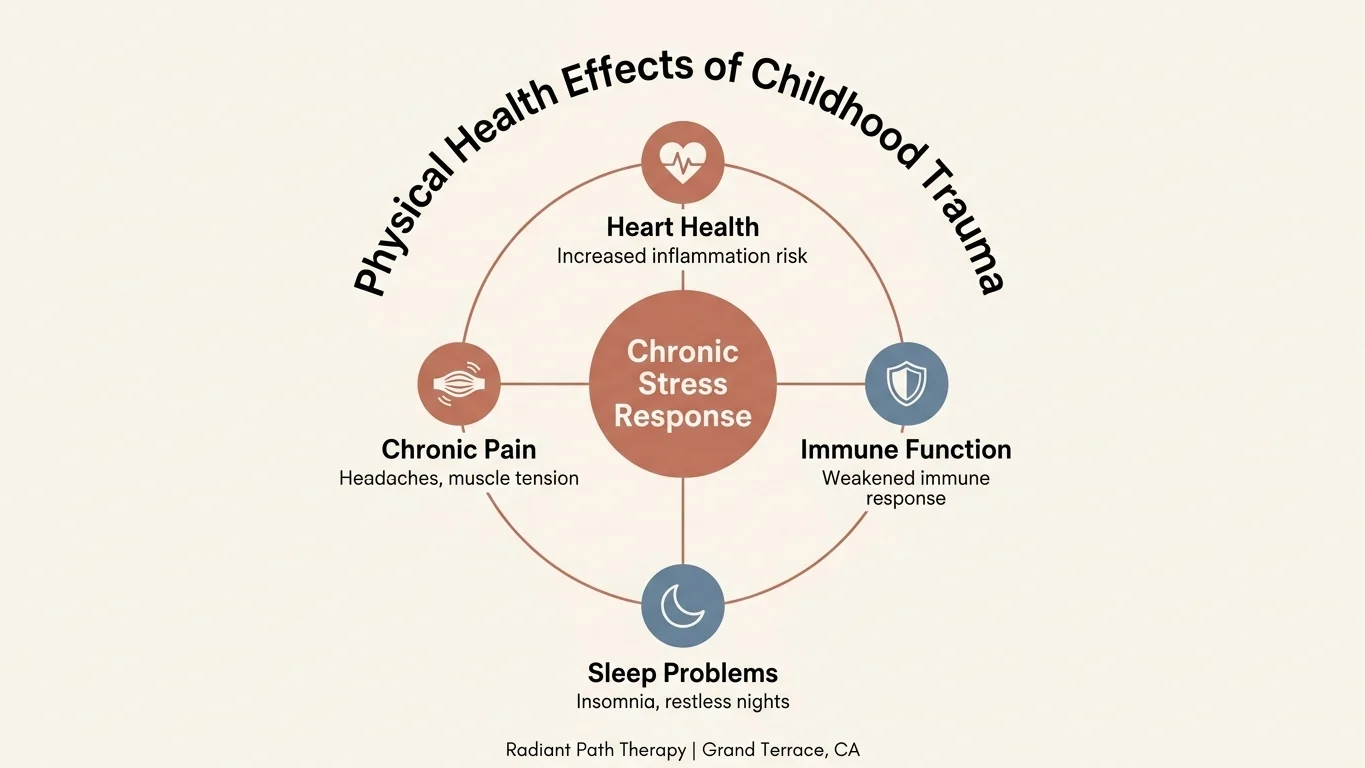
The effects of childhood trauma are not limited to emotional health. Long-term exposure to severe or repeated stress can affect the body's stress-response systems and may be associated with health problems later in life. The impact varies from person to person and depends on many factors, including the type and duration of trauma.
Chronic Pain and Stress-Related Problems
Some adults with a history of childhood trauma report chronic pain, headaches, muscle tension, digestive problems, or other stress-related symptoms. Long-lasting stress can place extra strain on the body and may affect how a person responds to pain and illness. These symptoms can also have many other causes, so professional evaluation may be helpful.
Heart Health and Immune Function
Research on adverse childhood experiences has found associations between repeated childhood adversity and a greater risk of some health problems later in life. Long-term stress may affect inflammation, hormone regulation, sleep, and health behaviors that influence overall well-being. Childhood trauma does not mean a person will automatically develop heart or immune-related conditions.
Sleep Problems and Fatigue
Trauma can make it difficult for the nervous system to fully relax, especially when a person remains sensitive to possible danger. This may contribute to insomnia, nightmares, restless sleep, or frequent waking. Poor sleep can then increase fatigue, irritability, and difficulty concentrating during the day.
Brain Development and Neurobiology
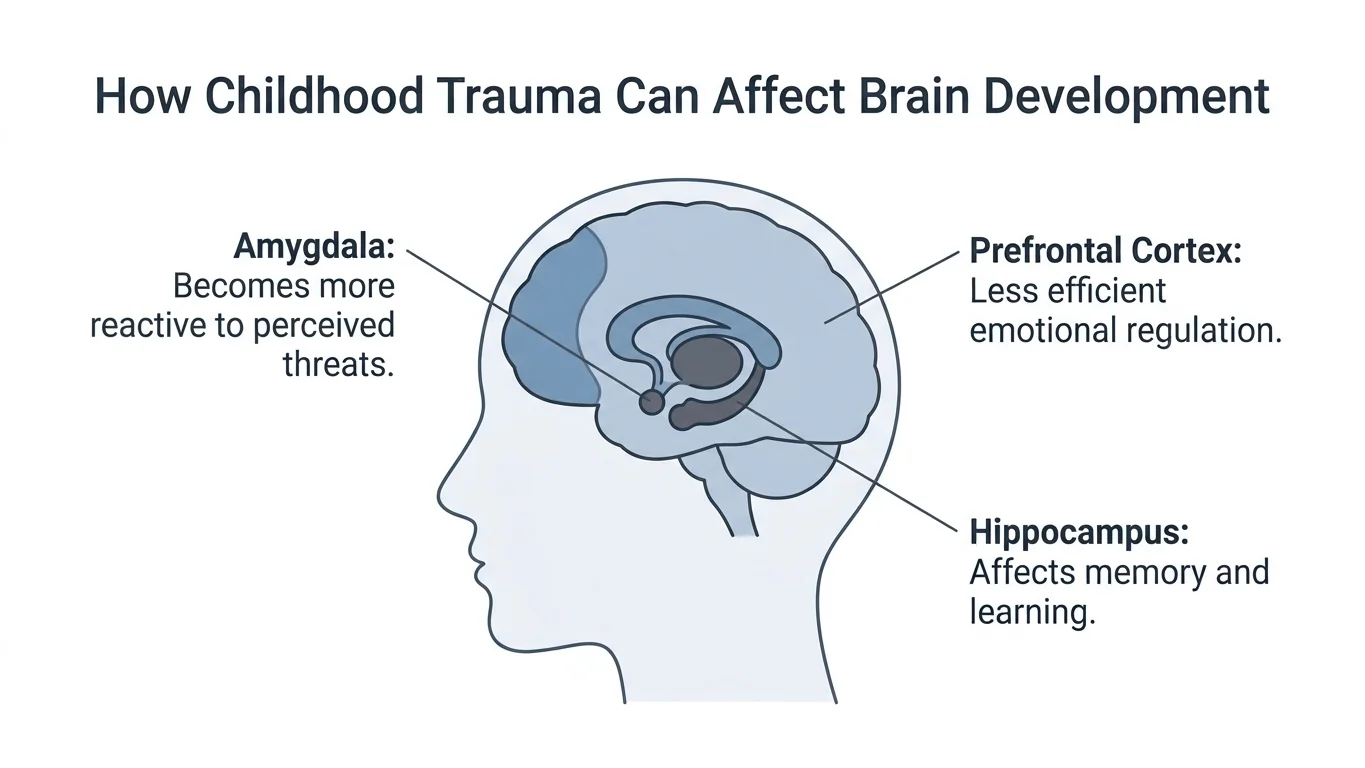
Early childhood is an important period of brain development, which is one reason repeated trauma during these years can have lasting effects. Research suggests that prolonged stress may influence brain systems involved in fear, memory, decision-making, and emotional control. These changes are not identical in every person.
The Amygdala plays an important role in detecting danger and processing fear. Repeated exposure to stress may make this system more sensitive, causing a person to react strongly to situations that feel threatening.
The Prefrontal Cortex helps with decision-making, planning, attention, and emotional regulation. Chronic stress during development may affect how efficiently this area works, especially during stressful situations.
The Hippocampus supports learning and memory. Research suggests that long-term stress may influence how this area develops and functions, which may help explain why some trauma survivors experience memory or concentration difficulties.
Long-Term Social and Economic Effects
The long-term effects of childhood trauma can also influence education, employment, financial stability, and social participation. However, these outcomes are not inevitable, and supportive relationships and treatment can make a meaningful difference.
Employment and Career Challenges

Some adults with unresolved trauma may struggle with concentration, confidence, workplace stress, or communication with coworkers and supervisors. These difficulties can make certain work environments feel overwhelming and may affect job stability or career progress. Learning healthier coping and communication skills can make workplace situations easier to manage.
Higher Risk of Substance Misuse
Childhood trauma is associated with a higher risk of harmful alcohol or drug use for some people. Substances may initially be used to reduce anxiety, numb emotional pain, or cope with difficult memories. Over time, this coping method can create additional health, relationship, and daily-life problems, which is why professional support can be important.
Can Childhood Trauma Affect Adult Mental Health?
Yes, research consistently shows a connection between childhood trauma and adult mental health. What happened in a person's earliest years does not always stay in the past. It can shape how the brain develops, how a person sees themselves, how they relate to others, and how they respond to stress, sometimes for decades afterward.
Childhood trauma is associated with a higher risk of several mental health conditions, including:
Depression, including persistent low mood, hopelessness, or loss of interest in life
Anxiety disorders, including constant worry, panic attacks, or a nervous system that stays on high alert
PTSD, including flashbacks, nightmares, hypervigilance, or emotional numbness
Substance use, sometimes used as a way to cope with pain that has not been fully addressed
Eating disorders, which can develop as a way of managing difficult emotions or a need for control
Borderline Personality Disorder, which has been linked to early attachment disruptions in some research
Having a history of childhood trauma increases the likelihood of these conditions, but it does not mean they are inevitable. Many people with trauma histories do not develop any of these conditions, and outcomes depend on factors like support systems, resilience, and access to care.
Signs That Childhood Trauma Is Affecting You as an Adult
Many people carry the effects of childhood trauma without connecting them to their early experiences. Some signs to reflect on:
Emotional signs include persistent anxiety or depression without a clear cause, fear of rejection or abandonment, difficulty trusting people, feeling emotionally numb or disconnected.
Physical signs chronic pain or illness, constant fatigue, sleep problems, a body that always feels tense or on edge.
Behavioural signs repeated difficult relationship patterns, avoiding intimacy, using substances to cope, self-sabotage, and strong reactions to situations others handle easily.
Recognising these signs is not about blaming the past. It is about understanding yourself more clearly and opening the door to real change.
Can People Heal From Childhood Trauma?
Yes. Healing from childhood trauma is possible, although the process looks different for everyone. The brain can continue to change throughout life through a process called neuroplasticity, which allows new patterns of thinking, feeling, and responding to develop over time.
Healing does not mean forgetting what happened. It means learning healthier ways to manage emotions, build relationships, respond to stress, and feel safer in daily life. With appropriate support, many people can reduce the impact that past trauma has on their present.
Treatments and Support for Childhood Trauma
Recovery from childhood trauma often involves more than one type of support. Therapy, healthy coping skills, supportive relationships, and consistent daily routines can all play a role. The most helpful approach depends on a person's experiences, symptoms, needs, and goals.
CBT, EMDR, and Trauma-Focused Therapy
Therapy can help people understand how past experiences may be affecting their thoughts, emotions, behaviors, and relationships. Different approaches may be recommended depending on the person's symptoms and circumstances.
Cognitive Behavioral Therapy (CBT) helps people recognize unhelpful thought and behavior patterns and develop healthier ways to respond. It may be useful for concerns such as anxiety, depression, and trauma-related symptoms.
Eye Movement Desensitization and Reprocessing (EMDR) is a structured therapy used to help people process distressing or traumatic memories. It may help reduce the emotional intensity connected with certain memories and experiences.
Trauma-focused therapy addresses the emotional and psychological effects of trauma in a safe and structured way. Treatment may include learning coping skills, improving emotional regulation, understanding triggers, and gradually processing difficult experiences.
Support Groups and Community Help
Support from other people can also be an important part of recovery. Support groups and community programs may help people feel less isolated and provide a space to connect with others who have faced similar experiences.
Sharing experiences in a supportive environment can help reduce feelings of shame or loneliness. Support groups are not a replacement for professional therapy, but they can complement treatment and provide additional encouragement.
Lifestyle Changes and Coping Strategies
Healthy daily habits can support emotional well-being during trauma recovery. Regular physical activity, mindfulness, consistent sleep, balanced routines, and reducing harmful substance use may help the body and mind manage stress more effectively.
These strategies do not replace professional treatment when it is needed. Instead, they can support therapy and make it easier to build healthier coping patterns over time.
When to Seek Professional Help
Consider seeking professional support when the effects of past experiences begin interfering with your relationships, work, sleep, emotions, or daily responsibilities. You do not need to wait until symptoms become severe before talking with a mental health professional.
A therapist can help you understand what you are experiencing, identify triggers and coping patterns, and explore treatment options based on your individual needs.
Signs That Therapy May Be Helpful
You feel stuck in painful emotional or relationship patterns
You experience frequent flashbacks, nightmares, or intrusive memories
Anxiety, sadness, anger, or fear feels difficult to manage
You use alcohol or other substances to cope with emotional distress
You avoid people, places, or situations because they make you feel unsafe
The same relationship difficulties continue happening repeatedly
You feel emotionally numb, disconnected, or persistently hopeless
Trauma-related symptoms are affecting your work, sleep, relationships, or daily life
Start Your Healing Journey With Radiant Path Therapy
If the long-term effects of childhood trauma are affecting your emotions, relationships, sleep, or daily life, professional support may help you understand these patterns and find healthier ways to manage them. Radiant Path Therapy in Grand Terrace provides compassionate, trauma-informed support designed around your individual experiences and needs. Contact Radiant Path Therapy today to learn more about therapy options and take the next step toward healing.
Conclusion
The long-term effects of childhood trauma can continue into adulthood and may influence emotional regulation, attention, memory, relationships, coping patterns, and overall well-being. Research reviewed in the competitor article found particularly notable difficulties involving attention and working memory, along with effects on executive function and emotional regulation.
At the same time, the research also shows considerable variation between individuals, meaning childhood trauma does not produce the same outcome for everyone. Early experiences can shape the way a person responds to stress, connects with others, and processes emotions for many years. However, these patterns do not have to define the rest of a person's life.
Trauma-informed support and appropriate treatment can help people better understand their experiences, develop healthier coping strategies, and work toward lasting emotional well-being.
Frequently Asked Questions
What Counts as Childhood Trauma?
Childhood trauma can include abuse, neglect, domestic violence, the sudden loss of a caregiver, serious accidents, or other experiences that make a child feel unsafe or overwhelmed. Ongoing household instability can also contribute to traumatic stress. What feels traumatic can vary from one child to another. The effects may depend on the child's age, circumstances, support system, and length of exposure.
Can Childhood Trauma Affect You Without Clear Memories?
Yes. A person may experience emotional or stress-related reactions connected with early experiences even when they cannot clearly remember everything that happened. Early childhood memories can be incomplete, while certain situations may still trigger fear, anxiety, avoidance, or other reactions. However, these symptoms can have many causes, so they should not automatically be treated as proof of forgotten trauma. A mental health professional can help explore possible causes safely.
What Are Common Signs of Childhood Trauma in Adulthood?
Possible long-term signs can include anxiety, depression, sleep problems, difficulty trusting others, strong emotional reactions, avoidance, and problems maintaining relationships. Some people may also have trouble concentrating or managing stress. These signs vary greatly, and having one or more of them does not automatically mean childhood trauma is the cause. Similar symptoms can occur with many mental and physical health conditions.
Can You Fully Heal From Childhood Trauma?
Many people can make significant progress and develop healthier emotional, behavioral, and relationship patterns after childhood trauma. Healing may involve therapy, supportive relationships, coping skills, and greater understanding of trauma responses. Progress can look different for each person and may happen gradually rather than all at once. The goal is often to reduce distress and build a life that is less controlled by past experiences.
When Should I Seek Professional Help for Childhood Trauma?
Consider speaking with a mental health professional when trauma-related thoughts, emotions, sleep problems, anxiety, avoidance, or relationship difficulties begin interfering with daily life. Support may also be useful if you repeatedly feel stuck in painful patterns or rely on unhealthy coping methods. You do not need to wait until symptoms become severe before seeking help. A qualified professional can help determine what type of support may fit your needs.
How long can the effects of childhood trauma last?
The effects of childhood trauma can sometimes continue into adolescence or adulthood, especially when trauma was repeated or support was limited. They may influence emotional regulation, relationships, attention, stress responses, and health behaviors. However, the length and severity of these effects vary considerably between people. Appropriate support and treatment can help reduce their impact over time.
Does everyone who experiences childhood trauma develop mental health problems?
No. Experiencing trauma increases the risk of certain difficulties, but it does not mean a person will definitely develop PTSD, depression, anxiety, or another mental health condition. Protective relationships, a safe environment, access to support, and individual resilience can influence recovery.


