
Signs of PTSD in Women: Symptoms, Causes, and What to Do Next
Signs of PTSD in Women: Symptoms, Causes, and What to Do Next
Signs of PTSD in women can include intrusive memories or flashbacks, nightmares, avoiding reminders of trauma, emotional numbness, guilt or shame, sleep problems, difficulty concentrating, irritability, and feeling constantly on edge. Physical symptoms of PTSD in women may also include headaches, body pain, dizziness, fatigue, sweating, or a racing heart. Symptoms vary from person to person and may begin soon after trauma or appear months or even years later.
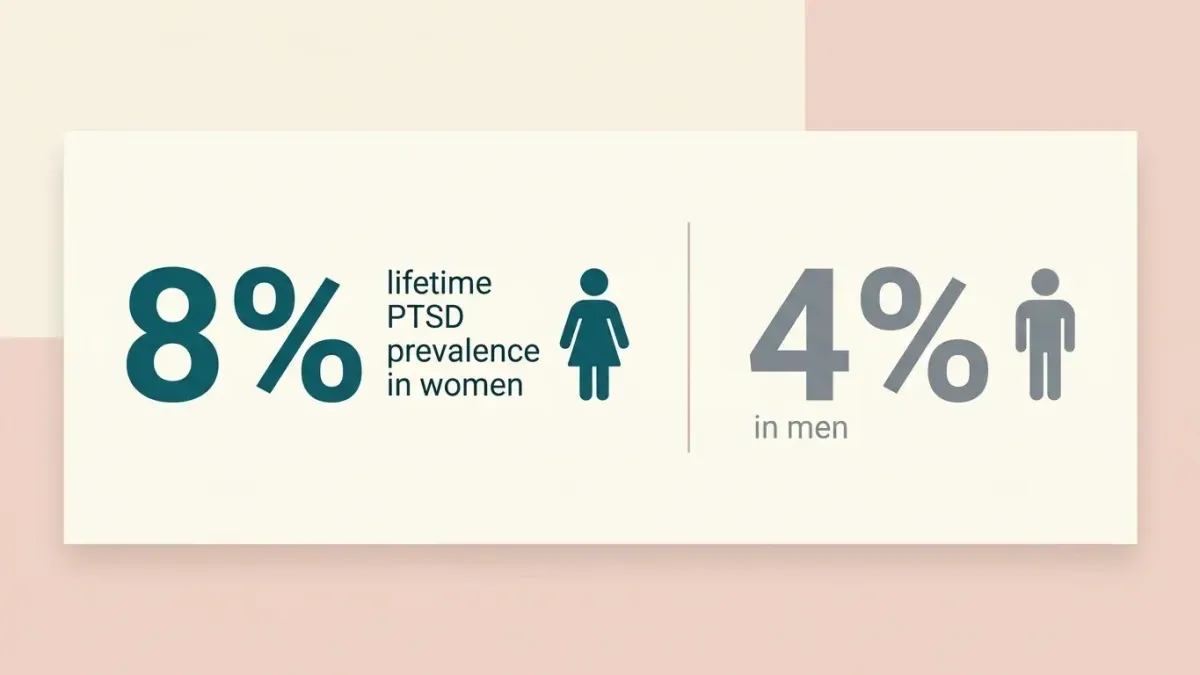
Women are more likely than men to develop PTSD. Recent U.S. data cited by the National Center for PTSD estimate lifetime PTSD prevalence at about 8% in women compared with 4% in men. Women with PTSD may also be more likely to experience avoidance, emotional numbness, depression, anxiety, and an exaggerated startle response. For women in Grand Terrace, CA, Radiant Path Therapy provides trauma-specialized care for PTSD and complex trauma, with both in-person and telehealth options available.
PTSD can develop after experiences such as sexual or physical assault, domestic abuse, childhood trauma, serious accidents, sudden loss, or other frightening events. Complex PTSD can develop after prolonged or repeated trauma and may involve the usual PTSD symptoms along with difficulty regulating emotions, persistent shame or low self-worth, and problems feeling safe or connected in relationships. This guide explains the emotional, physical, behavioral, and complex PTSD symptoms women may experience, what can cause them, how PTSD is diagnosed, and when professional support may help.
What Is PTSD in Women?
PTSD is a mental health condition that develops after experiencing something deeply frightening or harmful. It is the brain struggling to process something it could not handle at the time. Women often experience PTSD differently than men.
Their symptoms tend to show up as guilt, emotional numbness, or low self-worth rather than visible anger. This makes it harder to spot and diagnose. Most women wait about four years before getting an accurate diagnosis. Because PTSD symptoms can overlap with anxiety, depression, sleep problems, and other conditions, some women may not recognize or receive treatment for PTSD right away.
Common Signs of PTSD in Women
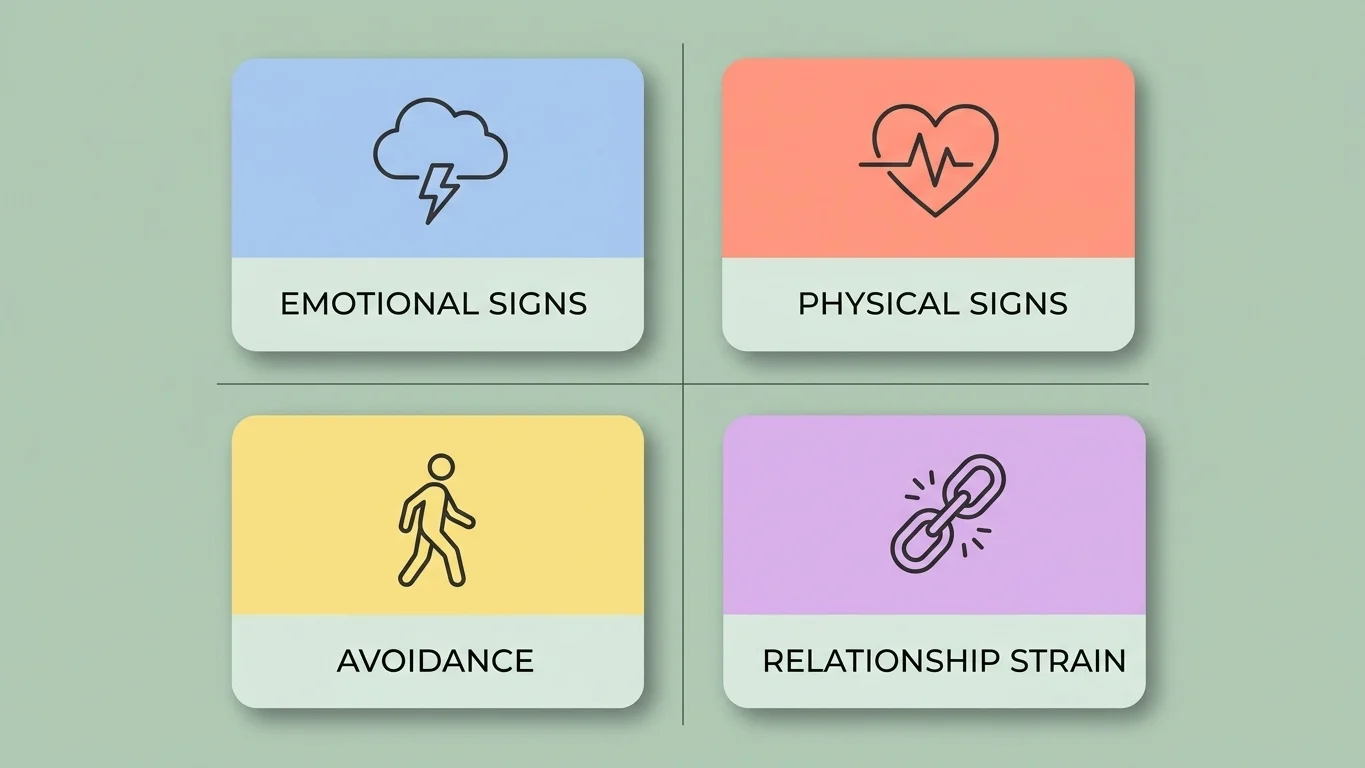
The signs of PTSD in women can affect emotions, thoughts, behavior, sleep, relationships, and daily routines. Symptoms can look different from one woman to another, but they usually fall into several common patterns that may continue long after the traumatic event has passed.
Emotional Signs
Women with PTSD may feel anxious, fearful, guilty, ashamed, sad, or emotionally numb. Some feel overwhelmed by strong emotions, while others feel disconnected from what they are feeling. These emotional changes can make it difficult to relax, feel safe, or enjoy activities that once felt normal.
Intrusive Thoughts and Memories
Intrusive memories can appear suddenly and may be difficult to control. A woman may experience flashbacks, nightmares, or unwanted thoughts about the traumatic event. Certain sounds, smells, places, conversations, or situations can also trigger strong emotional reactions and make the trauma feel close again.
Avoidance Behaviors
Avoidance is a common way people try to protect themselves from painful memories. Women with PTSD may avoid people, places, activities, conversations, or situations that remind them of what happened. They may also avoid thinking or talking about the trauma, which can slowly affect relationships, routines, and daily life.
Changes in Mood and Thinking
PTSD can change how a woman sees herself, other people, and the world around her. She may struggle with guilt, hopelessness, low self-worth, or difficulty trusting others. Some women feel emotionally distant from family and friends, lose interest in activities they once enjoyed, or have trouble remembering parts of the traumatic experience.
Hyperarousal and Reactivity
Women with PTSD may feel constantly alert for danger even when they are in a safe situation. This can lead to being easily startled, feeling restless, becoming irritated quickly, having trouble sleeping, or struggling to concentrate. Some women may also feel tense for long periods because their body remains prepared to respond to a threat that is no longer present.
Difficulty Feeling Safe
A lasting sense of danger can affect everyday decisions and relationships. A woman may constantly check her surroundings, feel uncomfortable in unfamiliar places, or have trouble relaxing around other people. This feeling of being unsafe can continue even when there is no immediate threat, making normal activities feel stressful or exhausting.
Physical Signs of PTSD in Women
PTSD does not stay in the mind. It moves into the body. Women with PTSD often deal with chronic headaches, muscle tension, stomach problems, and unexplained pain that has no clear medical cause. Sleep becomes difficult, with many waking up exhausted no matter how long they slept.
A racing heart, shortness of breath, and sudden waves of panic can show up even in completely safe situations. Being easily startled, feeling constantly on edge, and never fully being able to relax are also common physical signs that the nervous system is stuck in survival mode.
What Causes PTSD in Women?
PTSD can develop after experiencing or witnessing a frightening, dangerous, or traumatic event. For women, these experiences may include sexual assault, physical violence, domestic abuse, childhood trauma, serious accidents, natural disasters, unexpected violent loss, or other events that create intense fear or helplessness. However, experiencing trauma does not mean a person will automatically develop PTSD.
Risk can also be affected by how severe or prolonged the trauma was, previous trauma, existing mental health concerns, available social support, and other personal or environmental factors. Women are about twice as likely as men to develop PTSD, but there is no single reason that explains this difference.
Behavioral and Social Signs of PTSD
Behavioral and social signs of PTSD can affect how a person interacts with others, handles daily activities, and responds to stressful situations.
Withdrawal from Family and Friends
Social withdrawal is one of the quieter signs of PTSD in women. It often looks like pulling back from people they love, canceling plans, and preferring isolation. This is not about not caring. It is about not having the emotional capacity to be present while managing constant internal distress.
Trouble in Relationships and Trust Issues
Trauma affects how women relate to others. If the trauma involved a person they trusted, developing new trust can feel impossible. Women with PTSD may struggle with intimacy, feel emotionally distant from partners, or become hypervigilant about being hurt again. Relationships can suffer significantly even when the woman is doing her best to hold them together.
Irritability or Angry Outbursts
Anger in women with PTSD is often misunderstood. The nervous system that has been on high alert for too long can tip into intense irritability or sudden outbursts over small things. This is not a personality flaw. It is a stress response that has lost its off switch.
Difficulty Concentrating or Staying Focused
Brain fog is common in PTSD. The mind that is constantly managing trauma-related thoughts and emotions has less bandwidth for everyday focus. Memory lapses, difficulty following conversations, and trouble completing tasks are frustrating daily realities for many women living with PTSD.
Why Can PTSD Affect Women Differently?
Women are more likely than men to develop PTSD, but there is no single reason for the difference. Researchers have looked at factors such as the types of trauma women are more likely to experience, previous trauma, severity or repetition of trauma, social support, and possible biological differences.
Individual experiences vary widely. Factors such as childhood trauma, sexual or domestic violence, ongoing stress, and limited support after a traumatic event may all influence whether PTSD develops and how symptoms appear.
PTSD vs. Complex PTSD in Women
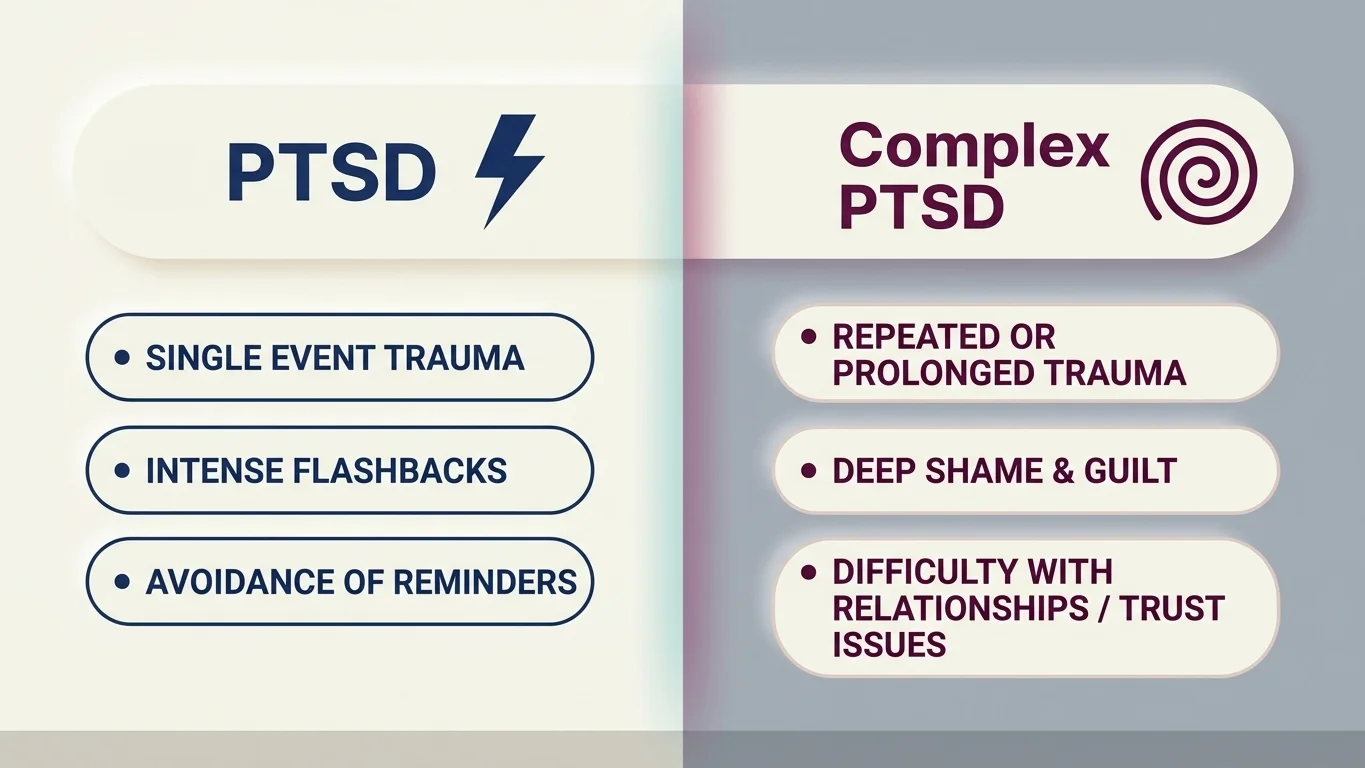
PTSD and complex PTSD can both develop after traumatic experiences, but they may affect women in different ways. PTSD is often linked to a specific traumatic event, while complex PTSD is more commonly associated with repeated or long-term trauma.
Factor | PTSD in Women | Complex PTSD in Women |
Common Cause | May develop after a single traumatic event such as an accident, assault, disaster, or sudden loss. | Often develops after repeated or prolonged trauma such as ongoing abuse, neglect, or domestic violence. |
Intrusive Symptoms | Flashbacks, nightmares, unwanted memories, and strong reactions to trauma reminders may occur. | These same PTSD symptoms may occur along with deeper emotional and relationship difficulties. |
Avoidance | A woman may avoid people, places, conversations, or situations connected to the trauma. | Avoidance may be more widespread and can affect relationships, emotions, and everyday situations. |
Emotional Regulation | Anxiety, fear, irritability, or emotional numbness may occur. | Strong emotions may feel harder to control, leading to intense sadness, anger, or emotional shutdown. |
Self-Image | Guilt or negative thoughts about the traumatic event may develop. | Persistent shame, worthlessness, or a deeply negative view of oneself may be more common. |
Relationships | Trust and closeness with others may become difficult after trauma. | Long-term problems with trust, connection, intimacy, and maintaining relationships may be more noticeable. |
Feeling of Safety | A woman may feel constantly alert, easily startled, or unsafe. | The sense of danger may become deeply rooted and affect how she views herself, other people, and the world. |
Treatment Needs | Trauma-focused therapy may help process the traumatic experience and reduce symptoms. | Treatment may also focus on emotional regulation, self-worth, relationships, and the effects of long-term trauma. |
What Are Complex PTSD Symptoms in Women?
Complex PTSD symptoms in women can include the core signs of PTSD, such as flashbacks, nightmares, avoidance, feeling constantly on edge, and strong emotional reactions to reminders of trauma. Women may also struggle with emotional numbness, difficulty concentrating, sleep problems, and a persistent sense that they are unsafe even when there is no immediate danger.
C-PTSD can also affect self-worth and relationships more deeply. Some women may experience intense shame, guilt, low self-esteem, difficulty managing emotions, trouble trusting others, or feeling disconnected from people they care about. These symptoms are often linked to repeated or long-term trauma, such as ongoing abuse, neglect, or domestic violence.
Early Warning Signs You Should Not Ignore
If stress and anxiety after a traumatic event are not easing with time, that is worth paying attention to. Early warning signs include trouble sleeping, intrusive memories, avoiding people or places connected to the trauma, and feeling emotionally numb or disconnected. If daily life is getting harder rather than easier weeks or months after a traumatic event, do not wait it out. The sooner you seek support, the better the outcome.
What to Do Next If You Notice Signs of PTSD
If PTSD symptoms are affecting sleep, relationships, work, or daily life, consider speaking with a qualified mental health professional. You do not need to diagnose yourself before asking for help. A provider can review your symptoms, trauma history, how long the symptoms have lasted, and whether PTSD or another condition may be involved.
You can also keep track of symptoms, triggers, sleep changes, and situations you have started avoiding. This information can make the first assessment easier and help your provider understand how trauma is affecting your daily life.
How PTSD Is Diagnosed in Women
Diagnosis starts with a clinical interview by a licensed mental health professional. They will ask about your current symptoms, how long they have been present, and how they are affecting your daily life. There is no blood test or brain scan for PTSD. It is diagnosed through a thorough clinical evaluation.
A proper assessment also includes a review of your personal history and past traumatic experiences, even ones that feel minor or distant. If your symptoms have lasted more than a month and are affecting work, relationships, or daily functioning, it is time to speak with a professional.
Treatment Options for PTSD in Women
Trauma-focused therapy is the most effective starting point for most women with PTSD. Cognitive Behavioral Therapy helps reshape the thought patterns trauma creates, while EMDR is highly effective for processing specific traumatic memories.
Medications like SSRIs and SNRIs can help manage depression, anxiety, and sleep problems alongside therapy. Support groups also play a valuable role by reducing isolation and connecting women with others who understand what they are going through.
How to Support a Woman With PTSD
Supporting a woman with PTSD involves patience, understanding, and creating a safe environment where she feels heard and respected.
What Helps and What Hurts
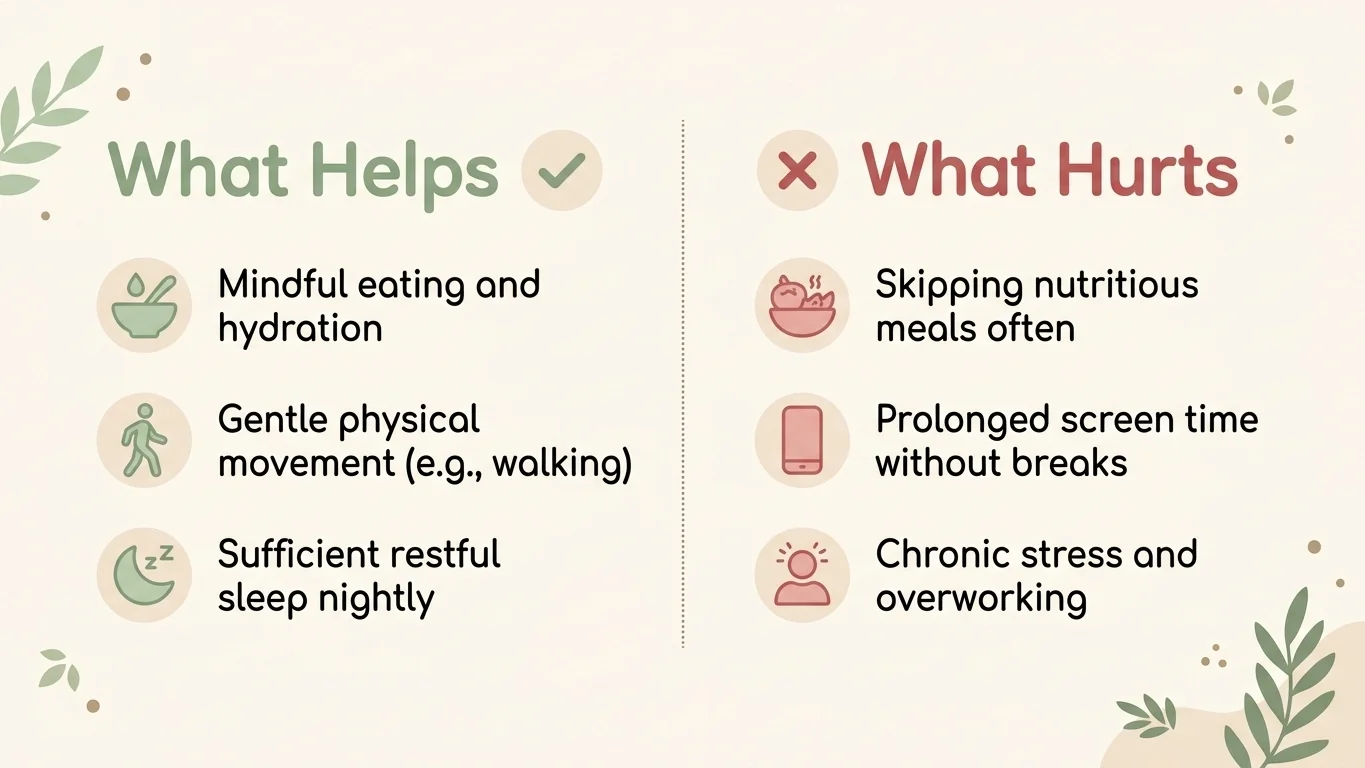
What helps: listening without judgment, following her lead, being consistent and reliable, and asking how you can support her rather than assuming. What hurts: pushing her to talk before she is ready, minimizing her experience, expressing frustration with her symptoms, or telling her to just move on. Healing is not linear and it cannot be rushed.
Communication and Emotional Support Tips
Keep communication calm and direct. Avoid raised voices or sudden movements around someone who is hypervigilant. Check in regularly without making her feel like a project. Let her know you are there without putting pressure on her to perform recovery for your comfort.
Take the Next Step Toward Trauma Recovery
If you recognize signs of PTSD in women in yourself or someone you care about, you do not have to determine what they mean on your own. Radiant Path Therapy in Grand Terrace, CA provides trauma-specialized support for PTSD and complex trauma, with personalized treatment designed around each person's symptoms, experiences, and goals.
Contact Radiant Path Therapy to schedule a consultation and learn which treatment option may fit your needs. In-person and telehealth care are available, and the practice currently offers same-day admission depending on availability and insurance approval.
Conclusion
The signs of PTSD in women can affect emotions, thoughts, relationships, behavior, sleep, and physical health. Common symptoms include flashbacks, nightmares, avoidance, emotional numbness, guilt or shame, difficulty trusting others, irritability, poor concentration, and feeling constantly alert for danger. Some women also experience physical symptoms such as headaches, fatigue, pain, dizziness, sweating, or a racing heart.
PTSD does not look exactly the same in every woman. Symptoms may begin soon after trauma or appear much later, and experiences such as assault, abuse, childhood trauma, domestic violence, serious accidents, or repeated trauma can increase the risk. Complex PTSD may also involve problems managing emotions, a deeply negative view of oneself, and difficulty maintaining close relationships.
If trauma-related symptoms last more than a month, cause significant distress, or begin interfering with relationships, work, sleep, or daily life, speaking with a qualified mental health professional can help determine whether PTSD or another condition may be involved. PTSD is treatable, and trauma-focused therapies can help people process traumatic experiences, reduce symptoms, and regain a greater sense of safety and control.
Frequently Asked Questions
What are the first signs of PTSD in women?
Early signs of PTSD in women may include nightmares, intrusive memories, increased anxiety, trouble sleeping, emotional numbness, and avoiding reminders of a traumatic experience. Some women also become easily startled or feel constantly on guard. Symptoms can vary, so having one or two signs does not automatically mean someone has PTSD.
Can PTSD go away without treatment?
Some trauma-related reactions improve naturally during the weeks after a difficult event, and not everyone who experiences trauma develops PTSD. However, symptoms that continue, worsen, or interfere with daily life may benefit from professional treatment. Trauma-focused therapy and other evidence-based treatments can help reduce PTSD symptoms and improve daily functioning.
How long does PTSD last in women?
There is no fixed timeline for PTSD. Some people improve within several months, while others experience symptoms for a year or longer, especially when trauma was severe, repeated, or left untreated. How long symptoms last can depend on the type of trauma, available support, other mental health conditions, and access to appropriate treatment.
What triggers PTSD symptoms in women?
PTSD triggers are reminders that bring back emotional or physical reactions connected to trauma. They may include certain places, people, sounds, smells, dates, conversations, situations, or other sensory cues. Sometimes the trigger is obvious, while at other times a woman may experience anxiety or distress before realizing what brought the reaction on.
Can PTSD symptoms in women be mistaken for other conditions?
Yes. PTSD can share symptoms with depression, anxiety disorders, ADHD, sleep disorders, and other mental health conditions. Trouble concentrating, irritability, sleep problems, emotional numbness, and anxiety are not unique to PTSD. A qualified mental health professional can review the trauma history, symptoms, duration, and daily impact to determine what condition may be involved.
What are the physical symptoms of PTSD in women?
Physical symptoms may include difficulty sleeping, headaches, muscle tension, fatigue, sweating, a racing heart, dizziness, or physical reactions when reminded of trauma. PTSD can affect the body's stress response as well as thoughts and emotions. Because these symptoms can also have other medical causes, persistent physical concerns should be evaluated by a healthcare professional.
What are the symptoms of complex PTSD in women?
Complex PTSD can include the core symptoms of PTSD, such as intrusive memories, avoidance, and feeling constantly threatened. It may also involve difficulty managing emotions, persistent shame or low self-worth, feeling disconnected from others, and problems developing or maintaining close relationships. Complex PTSD is often associated with prolonged or repeated traumatic experiences.


