

Releasing trauma means your nervous system is moving from “fight or flight” back toward feeling safe. Common signs include shaking, sudden crying or laughing, changes in breathing such as deep sighs, feeling hot or cold, and deep muscle relaxation.
Healing from trauma is not just something that happens in your thoughts. It often shows up in your body too, sometimes in ways that feel confusing or unexpected. If you have noticed strange physical sensations, sudden waves of emotion, or shifts in your energy while working through something difficult, you might be witnessing your body release trauma it has been holding onto.
At Radiant Path Therapy and Psychiatry in Grand Terrace, CA, we help people understand these shifts so they feel less alarming and more like part of the healing process. This guide walks through what trauma release can look and feel like, why it happens, and how to support yourself through it.
What Does It Mean When Your Body Is Releasing Trauma?
When something overwhelming happens, the nervous system can get stuck in a state of alert, even long after the danger has passed. This can show up as tension, restlessness, or a body that feels constantly on guard. Over time, this ongoing alert state can lead to fatigue, tight muscles, or a general sense of unease that seems to have no clear cause.
Understanding the Mind-Body Connection
Your mind and body are deeply connected, and unresolved stress often settles into the body itself. This is why healing sometimes involves physical sensations rather than just new insights or realizations. Talking through an experience can help, but the body often needs its own way of processing and letting go of what happened.
Trauma Release vs. Trauma Symptoms
Trauma symptoms tend to feel stuck and repetitive, while trauma release often feels like movement, something shifting or loosening rather than staying frozen in place. Recognizing this difference can help the process feel less frightening, since it shows your body is actively working through something rather than getting worse.
7 Clear Signs Your Body Is Releasing Trauma
Trauma release does not usually look the same for everyone, and most people notice a mix of these signs rather than just one. Recognizing them can help the experience feel less confusing and more like a natural part of your body finding its way back to safety.
Sudden Emotional Releases
Unexpected crying, laughing, or waves of sadness or relief can surface without an obvious trigger, especially during therapy or quiet moments. These releases often feel intense in the moment but tend to pass fairly quickly, leaving a sense of lightness behind. Many people describe feeling lighter or calmer right after, almost like something heavy has finally been set down.
Changes in Breathing and Heart Rate
You may notice deeper breaths, sighing, or a racing heart that gradually settles, all signs the nervous system is processing stored tension. Some people also notice yawning more than usual, which is another way the body releases built up stress. These shifts usually happen on their own, without you trying to control your breathing at all.
Muscle Tension, Trembling, or Spontaneous Physical Movements
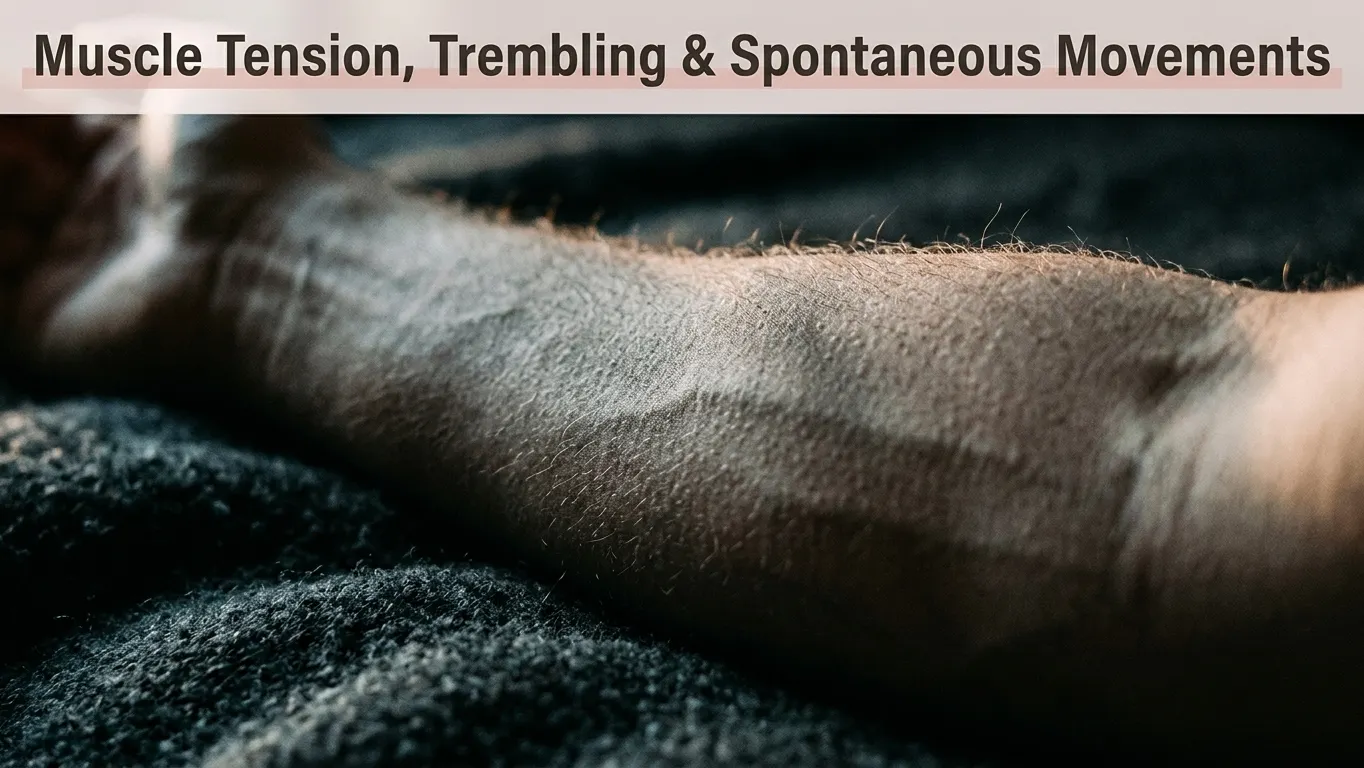
Shaking, twitching, or muscles releasing tension on their own are common as the body works through stored stress responses. This can feel strange at first, but it is often a sign that tension is finally moving instead of staying locked in place. This kind of trembling is similar to what animals do naturally after a stressful event, it is the body’s way of completing a stress response.
Changes in Sleep and Vivid Dreams
Healing can bring more vivid dreams or shifts in sleep patterns as the brain processes memories and emotions during rest. Some people sleep more deeply during this time, while others find their sleep feels lighter or more restless for a while. These changes often settle down again once the nervous system finishes processing whatever it was working through.
Shifts in Energy Levels and Fatigue
Feeling unusually tired or, at other times, more energized than normal can both be part of the body adjusting as it releases stored tension. This is similar to how you might feel drained after an intense workout, since processing stress takes real energy. Giving yourself permission to rest during this time can support the process rather than fight against it.
Increased Body Awareness and Sensitivity
You might start noticing physical sensations you had been ignoring for years, like tightness in your chest or tension in your shoulders. This growing awareness is often a sign that you are becoming more connected to your body rather than disconnected from it. Over time, this awareness can make it easier to notice stress building up before it becomes overwhelming.
Improved Emotional Regulation and a Growing Sense of Safety
Over time, many people notice they can handle stress more calmly and feel a bit safer in their own body. Situations that once felt overwhelming may start to feel more manageable, even if they are still uncomfortable. This shift often builds slowly, so small moments of calm are worth noticing as real signs of progress.
Other Physical Signs You May Notice During Trauma Release
Since the gut and nervous system are closely linked, some people notice digestive shifts, like a fluttering stomach or changes in appetite, during healing. These sensations often ease once the nervous system settles back into a calmer state. Long standing pain, like tension headaches or back pain, may ease or shift as the body lets go of stored stress.
Some people notice pain moving to a different area before it fully resolves, which can feel confusing but is often part of the process. A sense of warmth spreading through the chest or limbs is a sign some people describe as the body settling into a calmer state. This is often accompanied by a feeling of heaviness or looseness in muscles that were previously tense.
Tingling, pressure, or waves of sensation that pass through the body without a clear reason can also happen during this process. These sensations are usually brief and tend to fade on their own within a few minutes.
Emotional and Behavioral Changes That May Signal Healing
Trauma release is not only physical. As your nervous system settles, your emotions and everyday behavior often start to shift too. These changes tend to build slowly, so noticing them over time can help you see real progress even on days that feel harder.
Feeling Emotions More Fully Instead of Numbing Them
Instead of pushing feelings away, you may notice yourself actually feeling sadness, anger, or joy more fully than before. This can feel overwhelming at times, but it is often a sign that you are reconnecting with parts of yourself that trauma had pushed aside. Over time, this fuller range of emotion usually becomes easier to sit with rather than something to fear.
Increased Self-Awareness and Self-Compassion
Healing often brings a gentler inner voice, replacing harsh self-criticism with more patience and understanding toward yourself. You may find yourself forgiving past mistakes more easily or speaking to yourself the way you would speak to a friend. This shift often happens gradually, so it helps to notice even small moments of self-kindness as they come up.
Letting Go of Old Emotional Patterns
You may notice old habits, like people pleasing or avoiding conflict, starting to loosen their grip. These patterns often formed as ways to stay safe, and releasing them can feel both freeing and a little unfamiliar at first. It is normal to feel unsure of yourself for a while as new, healthier patterns start to take their place.
Feeling More Present and Connected to Yourself
Many people describe feeling more grounded in the present moment instead of stuck replaying the past. Everyday moments, like a conversation or a walk outside, may start to feel more vivid and real. This shift often reflects a nervous system that feels safer, since it no longer needs to stay focused on past threats.
Improved Trust, Boundaries, and Relationships
As healing progresses, setting boundaries and trusting others often becomes easier and less frightening. Relationships may start to feel more balanced, with less fear of being hurt or taken advantage of. This often shows up as feeling more comfortable saying no or asking for what you need, without the guilt that may have come with it before. For those whose relationships have been shaped by unhealthy attachment cycles, understanding the signs of trauma bonding and how to break the pattern can be an important part of this healing journey.
Can Trauma Release Cause Temporary Anxiety or Strong Emotions?
As stored tension surfaces, it is common to feel more anxious or emotionally raw for a short time before things settle. This can feel discouraging, but it usually passes as the nervous system finishes processing what it was holding onto.
Old memories or flashbacks may resurface as the nervous system processes what it previously could not fully handle. This does not mean healing is going backward, it often means deeper layers are finally being addressed. If these reactions feel too intense to manage alone, working with a trauma-informed therapist can help you move through them safely and at a pace that feels manageable.
How to Support Your Body During Trauma Healing

Small, consistent habits can help your body feel safer and support the natural healing process.
Create Safety and Stability in Your Daily Routine Predictable routines, like regular meals and sleep, help the nervous system feel more settled while healing.
Practice Grounding and Mindful Body Awareness Simple grounding practices, like noticing your feet on the floor, can help you feel steadier when emotions feel intense.
Use Gentle Movement and Relaxation Techniques Gentle stretching, walking, or breathwork can help release tension stored in the body without overwhelming your system.
Support Your Nervous System With Rest and Healthy Habits Good sleep, hydration, and nourishing food all support your body’s capacity to process and release stress.
Avoid Forcing or Rushing the Trauma Release Process Healing works best at its own pace. Trying to force it can sometimes backfire and increase overwhelm instead of easing it.
How Somatic Therapy Can Help With Trauma Release

This approach focuses on physical sensations to help the nervous system safely complete stress responses it was unable to finish at the time. EMDR uses guided eye movements to help the brain reprocess difficult memories, often reducing their emotional intensity over time.
These practices combine movement and breath to help release tension while building a stronger sense of safety in the body. A trained therapist can help pace the process so it feels manageable rather than overwhelming, especially with deeper trauma.
When Should You Seek Professional Help?
If symptoms are disrupting your work, relationships, or daily routine, it is a good time to reach out for support. Severe or persistent symptoms deserve professional attention rather than trying to manage everything completely on your own. Look for a therapist trained specifically in trauma treatment, such as somatic experiencing or EMDR, to ensure you get informed, specialized support.
How Long Does Trauma Release Take?
Healing time depends on things like the type of trauma, how long symptoms have been present, and the support available to you. Over time, many people notice calmer reactions to stress and fewer overwhelming episodes as their nervous system settles. Progress rarely moves in a straight line. Good days and harder days are both a normal part of the process.
Find Support at Radiant Path Therapy and Psychiatry
You do not have to sort through these changes on your own. At Radiant Path Therapy and Psychiatry in Grand Terrace, CA, our team specializes in trauma-informed and somatic approaches that help you feel steady and supported as your body heals.
If you are noticing these shifts and want guidance through them, reach out to Radiant Path Therapy and Psychiatry today to schedule a session and start building a healing process that feels safe for you.
Conclusion
Every nervous system processes trauma differently, and there is no single “right” way for release to look or feel. What matters most is not forcing the process, but staying gentle with yourself as your body works through what it has been holding.
Progress rarely moves in a straight line, and a harder day does not undo the healing that came before it. Patience with the process is often what makes lasting change possible.
Frequently Asked Questions
What Does Trauma Release Feel Like?
It can feel like trembling, crying, deep breaths, or a wave of relief as stored tension finally moves through the body. Some people also notice warmth spreading through their chest or a sudden sense of heaviness lifting. The exact feeling is different for everyone, but it usually leaves you feeling calmer or lighter once it passes.
Can Crying Be a Sign Your Body Is Releasing Trauma?
Yes, crying is one of the most common ways the body releases built up emotional tension. It often comes on suddenly, without an obvious trigger, and can happen during therapy, quiet moments, or even while doing something completely unrelated. Rather than being a setback, this kind of crying is usually a sign that stored emotion is finally moving instead of staying stuck.
Is Muscle Twitching a Sign of Trauma Release?
Yes, involuntary twitching or trembling often happens as the nervous system discharges stored stress. This response is similar to what happens naturally in animals after a stressful event, and it is the body’s way of completing a stress response that was never fully finished. While it can feel strange or even alarming at first, it usually passes quickly and is not something to be afraid of.
Can Trauma Release Cause Fatigue?
Yes, feeling unusually tired afterward is common as the body uses energy to process and release tension. Processing stored stress takes real physical energy, similar to how you might feel drained after an intense workout. Giving yourself permission to rest during this time can support your body rather than push against what it needs.
Can Trauma Be Stored in the Body?
Yes, unresolved stress can settle into muscles and the nervous system, which is why physical sensations often come up during healing. This is part of why talking through an experience alone does not always resolve everything, since the body sometimes needs its own way of releasing what it has been holding onto. This connection between mind and body is a key idea behind approaches like somatic therapy.
Can Trauma Release Make You Feel Worse Before You Feel Better?
Sometimes, yes. Surfacing old emotions can feel uncomfortable at first, even though it is often a sign of real progress. This temporary dip does not mean healing is going backward, it usually means deeper layers of stored stress are finally being addressed. Working with a trauma-informed therapist can help make this phase feel more manageable.
How Do You Know If You Are Healing From Trauma?
Signs include feeling calmer over time, handling stress more easily, and feeling more present and connected to yourself. You may also notice old patterns, like people pleasing or avoiding conflict, starting to loosen their grip. Healing rarely moves in a straight line, so noticing small, steady changes over time is often more telling than expecting one dramatic shift.