
Therapy for High-Functioning Depression: Best Treatment Options That Really Help
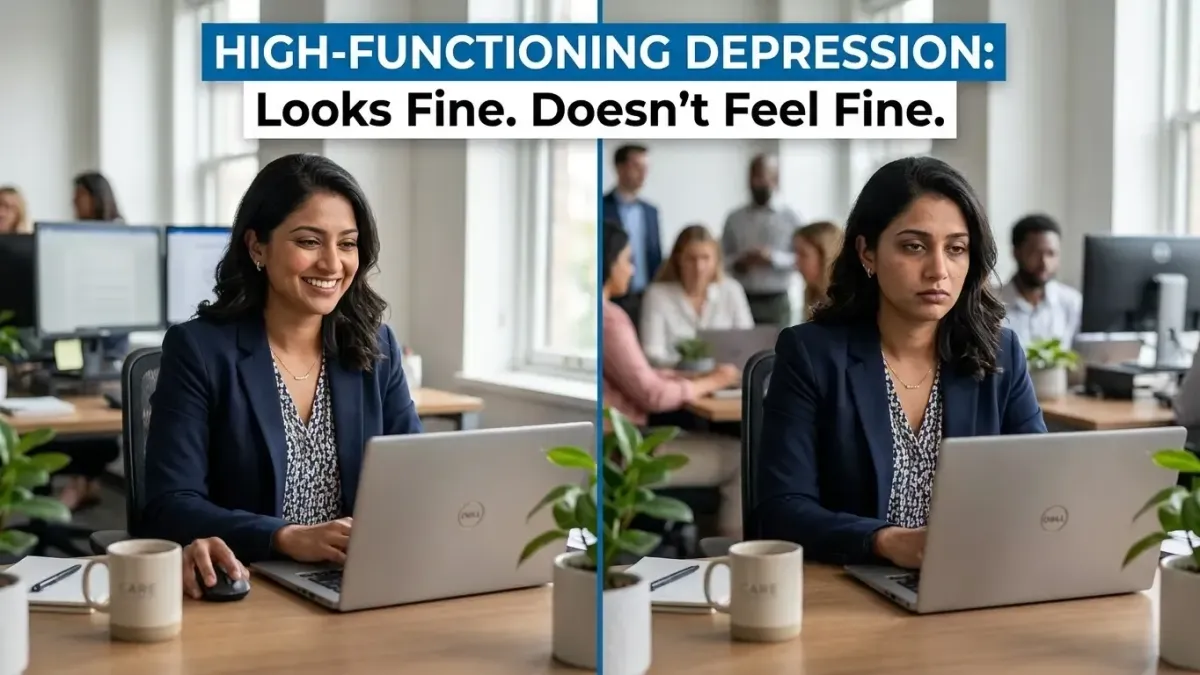
High-functioning depression, clinically related to Persistent Depressive Disorder (PDD) or dysthymia, is a chronic, lower-intensity form of depression that can last two years or more. Unlike major depressive disorder, which tends to present in distinct episodes, its symptoms are often subtle enough that someone can keep working, parenting, and meeting deadlines while struggling underneath, a pattern often called masking.
The best treatment for high-functioning depression is therapy, particularly cognitive behavioral therapy, behavioral activation, dialectical behavior therapy, and interpersonal therapy. It is a real, treatable condition, even though it isn't an official diagnosis on its own and often hides behind a busy schedule and a smile.
Therapy works because it addresses the root cause, including the effort of masking itself, instead of just managing symptoms on the surface. With the right support, many people feel better and stop performing wellness just to get through the day.
What Is High-Functioning Depression?
Doctors and therapists use the term informally to describe someone whose depression symptoms are present but mild enough, or well-hidden enough, that daily life doesn't visibly fall apart. They go to their job, take care of their family, and meet deadlines, while feeling exhausted, empty, or stuck in a low mood that never seems to lift underneath it all.
According to the National Institute of Mental Health, an estimated 1.5% of U.S. adults experience persistent depressive disorder in a given year, and 2.5% will experience it at some point in their lifetime.
High-Functioning Depression vs. Persistent Depressive Disorder
People with PDD often describe feeling like they've always been a little sad or unmotivated, almost like it's just part of their personality. This is exactly why high-functioning depression and PDD are so closely linked: both involve symptoms that stick around for a long time without becoming severe enough to stop someone from functioning.
Nearly half of people with PDD, 49.7%, experience serious impairment from it, even though the condition is often mistaken for a low-grade personality trait rather than a treatable illness.
Signs You May Have High-Functioning Depression
Recognizing high-functioning depression can be tricky because the signs are often subtle and easy to dismiss.
Emotional Symptoms
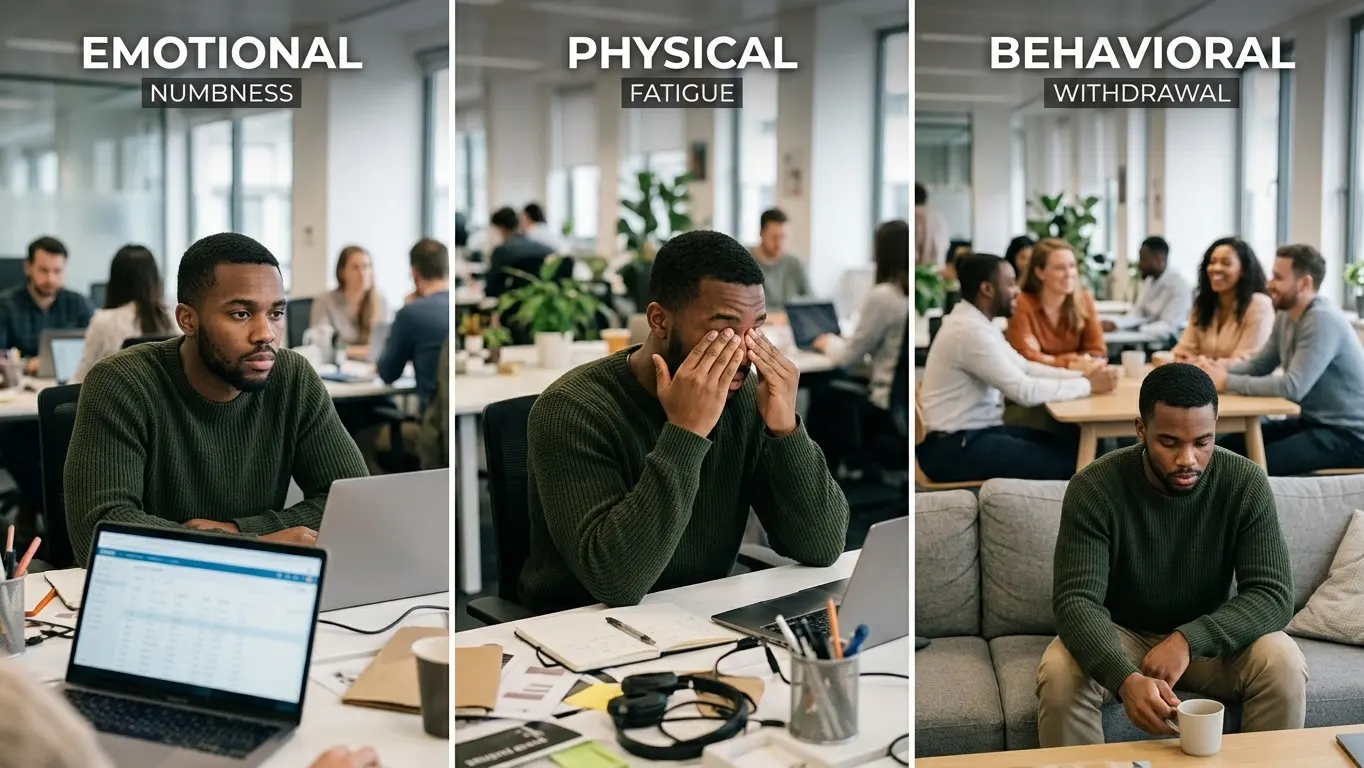
People with high-functioning depression often feel persistently sad, empty, or numb, even when nothing specific is wrong. They may feel irritable or easily frustrated over small things. A constant sense of guilt or low self-worth is also common, along with a general feeling that something is missing even when life looks fine on paper.
Physical Symptoms
Physical signs include constant tiredness even after a full night of sleep. Sleep itself may be disrupted, either sleeping too much or struggling to fall and stay asleep. Changes in appetite are common too, whether that means eating much more or much less than usual. Headaches, stomach issues, and other unexplained aches can also show up without a clear medical cause.
Behavioral Symptoms
Behaviorally, people may withdraw slightly from friends and family while still showing up for work obligations. They might overwork as a way to distract themselves from how they feel. Some people lose interest in hobbies they used to enjoy, even though they still go through the motions of daily life. Procrastination and difficulty concentrating are also common, even on tasks that used to feel easy.
Why It Often Goes Unnoticed
High-functioning depression often goes unnoticed because the person keeps performing their daily duties well. Friends, family, and even the person themselves may believe that because they are still working, parenting, or attending school, nothing serious can be wrong. This belief can delay seeking help for months or even years, allowing the condition to quietly affect quality of life the entire time.
Despite how treatable depression is, an estimated 39% of adults with major depressive episodes go without treatment, according to NIMH, a gap that is often even wider for the milder, harder-to-spot symptoms of high-functioning depression.
High-Functioning Depression at Work
Work is often where masking is easiest to sustain, since meeting deadlines and staying productive can look like proof that someone is fine, even when they're not. Some people lean into work as a distraction, using long hours to avoid sitting with how they actually feel. This is especially common among high achievers, professionals in demanding careers, and people in leadership roles, where stepping back can feel like it isn't an option. Ironically, the more competent someone appears, the less likely anyone, including the person themselves, is to notice something is wrong.
Employers can help by normalizing conversations about mental health and not equating consistent output with being okay. And if you're the one struggling, needing support isn't a performance failure. It's a sign the effort of masking has become unsustainable, not a reflection of your ability to do your job.
Can Therapy Help High-Functioning Depression?
Yes, therapy can help high-functioning depression, and it is often the most effective treatment available.
Why Therapy Is Effective
Therapy works because it addresses the patterns of thinking and behavior that keep depression going. Instead of just managing symptoms, therapy helps you understand why you feel the way you do and gives you tools to change it. A trained therapist can help you notice patterns you may not see on your own, such as negative self-talk or avoidance behaviors that quietly make depression worse.
Benefits of Early Treatment
Starting therapy early often leads to faster improvement and prevents symptoms from getting worse over time. Many people wait until they hit a breaking point before seeking help, but early treatment can stop high-functioning depression from developing into something more severe, like major depressive disorder.
How Therapy Improves Daily Life
Therapy does more than just lift your mood. It can improve relationships by teaching better communication skills. It can boost performance at work by reducing the mental fog and exhaustion that depression causes. Many people also report better sleep, improved focus, and a stronger sense of purpose once they begin consistent therapy.
Best Types of Therapy for High-Functioning Depression
Several types of therapy have strong evidence behind them for treating high-functioning depression.

Cognitive Behavioral Therapy (CBT)
CBT is one of the most widely used and well-researched therapies for depression. It focuses on identifying negative thought patterns and replacing them with more balanced, realistic ones. A CBT therapist will often give homework, such as tracking thoughts or practicing new responses to stressful situations, to reinforce what is learned in sessions.
Behavioral Activation Therapy (BA)
Behavioral activation focuses on action rather than thought. The idea is that depression makes people avoid activities that used to bring them joy, which then makes the depression worse. BA therapy helps people gradually reintroduce enjoyable and meaningful activities back into their lives, even when motivation is low.
Interpersonal Therapy (IPT)
IPT focuses on relationships and social functioning. It is especially helpful for people whose depression is tied to conflicts, life transitions, or feelings of isolation. This therapy helps people improve communication, resolve relationship problems, and build stronger support systems.
Dialectical Behavior Therapy (DBT)
DBT was originally developed for intense emotional dysregulation, but its skills-based approach makes it a strong fit for high-functioning depression as well. It teaches four core skill sets: mindfulness, distress tolerance, emotion regulation, and interpersonal effectiveness. For people who are used to pushing feelings aside in order to keep functioning, DBT offers concrete tools for tolerating difficult emotions without shutting down or overworking to avoid them. It can be especially helpful for people who feel like they're constantly managing a gap between how they feel and how they're expected to show up.
Psychodynamic Therapy
Psychodynamic therapy looks at how past experiences, especially from childhood, shape current emotional patterns. This approach can take longer than CBT or BA, but it often helps people understand the deeper roots of their depression, not just the surface symptoms.
Mindfulness-Based Cognitive Therapy (MBCT)
MBCT combines traditional CBT techniques with mindfulness practices like meditation and breathing exercises. It is particularly useful for preventing depression from coming back after it has improved, making it a strong option for long-term management.
Acceptance and Commitment Therapy (ACT)
ACT teaches people to accept difficult thoughts and feelings rather than fight against them, while still taking action toward meaningful goals. This approach can be especially helpful for high-functioning depression, since it focuses on living a value-driven life even while managing ongoing symptoms.
What Happens During Therapy Sessions?
The first session usually involves the therapist asking about your history, symptoms, and what brought you to therapy. From there, you and your therapist set specific goals, such as reducing negative thinking or improving sleep. Over time, you learn practical tools like breathing exercises and ways to challenge negative thoughts.
Good therapy involves regularly checking in on how you are doing. Many therapists use mood tracking tools or simple check-in questions at the start of each session to see what is working and what needs to change.
When Therapy Alone May Help
For many people with high-functioning depression, especially when symptoms are mild to moderate, therapy alone can be very effective. Since high-functioning depression often involves long-standing patterns of thinking and behavior rather than a sudden, severe episode, therapy that addresses those root causes can lead to lasting improvement without medication.
When Medication May Be Recommended
Medication may be recommended when symptoms are more severe, when therapy alone is not providing enough relief, or when there is a strong biological component to the depression. A psychiatrist or doctor can help determine whether antidepressant medication might be a helpful addition to treatment.
Combining Therapy and Medication
Research consistently shows that combining therapy and medication often produces better results than either treatment alone, especially for more persistent or severe depression. Medication can help reduce symptoms enough to make therapy more effective, while therapy addresses the underlying patterns that medication alone cannot fix.
Common Mistakes That Can Delay Recovery
Certain habits and beliefs can unintentionally slow down the recovery process.
Hiding your feelings from others, even those closest to you, which can stop you from getting the support you need
Believing you are fine simply because you are productive, a common trap that keeps people from recognizing they need help
Waiting too long to seek treatment, which allows symptoms to become more deeply rooted and harder to treat
Skipping therapy sessions, even when you feel like you do not need them, which can interrupt progress and momentum
Stopping medication without medical advice, which can cause symptoms to return suddenly and sometimes more intensely
How to Find the Right Therapist
Finding the right therapist can make a big difference in how effective treatment feels.
Online therapy has become a popular and effective option, especially for people with busy schedules or limited access to local therapists. It offers convenience and can be just as effective as in-person therapy for many types of depression. In-person therapy may feel more personal for some people and can be a better fit for those who prefer face-to-face connection.
The relationship between you and your therapist matters a great deal. Research shows that feeling understood and comfortable with your therapist is one of the strongest predictors of successful treatment. If a therapist does not feel like the right fit after a few sessions, it is okay to look for someone else.
Self-Care Tips That Support Therapy
Self-care does not replace therapy, but it can make therapy more effective when combined together.

Exercise Regularly Physical activity has been shown to reduce symptoms of depression by releasing chemicals in the brain that improve mood. Even a short walk a few times a week can make a noticeable difference over time.
Improve Your Sleep Poor sleep and depression often feed into each other. Going to bed and waking up at consistent times, limiting screen time before bed, and creating a calm sleep environment can all support better mental health.
Eat a Balanced Diet What you eat affects how you feel. A diet rich in whole foods, vegetables, and healthy fats supports brain function, while excessive sugar and processed foods can contribute to mood instability.
Practice Mindfulness Mindfulness practices like meditation or simple breathing exercises can help reduce stress and increase awareness of negative thought patterns before they spiral.
Build Healthy Routines A consistent daily routine reduces decision fatigue and creates a sense of stability, which can be especially helpful when motivation is low.
Stay Connected With Others Isolation tends to make depression worse. Making an effort to stay in touch with friends and family, even in small ways, can provide important emotional support.
Keep a Mood Journal Writing down your mood, thoughts, and daily experiences can help you and your therapist spot patterns over time. It also gives you a tool to track progress and notice improvement that might otherwise go unnoticed.
Can High-Functioning Depression Go Away Without Therapy?
For some people, mild symptoms may improve temporarily through lifestyle changes alone. However, without addressing the underlying thought patterns and behaviors that drive depression, symptoms often return, especially during stressful periods. High-functioning depression tends to be persistent precisely because it is tied to long-term patterns rather than a single triggering event.
Without professional support to address those patterns, the same cycles of negative thinking and avoidance tend to repeat themselves over time. Professional support provides tools and strategies that are difficult to develop on your own. A therapist can offer an outside perspective, hold you accountable to your goals, and help you recognize blind spots in your thinking that are nearly impossible to see without guidance.
When to Seek Professional Help
Some signs indicate it is time to reach out to a mental health professional rather than trying to manage things alone.
If your symptoms have lasted more than two weeks without improvement, it is worth seeking help. Trouble enjoying things you used to love is another important sign. If work performance or relationships are starting to suffer, even subtly, that is a sign the depression may be progressing. Feeling hopeless about the future is a serious symptom that should not be ignored. And if you ever have thoughts of self-harm or suicide, it is essential to seek help immediately rather than waiting.
If you are having thoughts of self-harm or suicide, do not wait to reach out. You can call or text 988 to reach the Suicide & Crisis Lifeline, available 24/7 and free and confidential. If you or someone else is in immediate danger, call 911 or go to the nearest emergency room.
Struggling With High-Functioning Depression in Grand Terrace, California? We Can Help
If you recognize yourself in the symptoms described in this article, you do not have to keep pushing through it alone. Radiant Path Therapy in Grand Terrace, California, offers compassionate, evidence-based care for depression, anxiety, trauma, and more. Our team uses cognitive behavioral therapy and other proven methods to help you understand what is really going on and build lasting change, not just temporary relief.
We offer same-day appointments, no waitlists, and both in-person sessions at our Grand Terrace office and secure telehealth options across California. Call us today to schedule a free consultation. You deserve support that actually works, and we are here to help you find it.
Conclusion
High-functioning depression is one of the hardest forms of depression to spot because it hides so well behind work, routines, and responsibilities. Someone can be meeting every deadline, showing up for their family, and still feel completely empty on the inside. That gap between how things look and how they actually feel is exactly why this condition goes unnoticed for so long.
The encouraging part is that high-functioning depression responds well to treatment. Therapy approaches like cognitive behavioral therapy, behavioral activation, and interpersonal therapy were built to address the exact patterns that keep this kind of depression going. Paired with healthy daily habits like better sleep, movement, and staying connected to others, real progress is possible within weeks, not years.
Frequently Asked Questions
What is the best therapy for high-functioning depression?
Cognitive behavioral therapy is often considered one of the most effective options because it directly addresses the negative thought patterns common in high-functioning depression. However, the best therapy depends on the individual, and approaches like behavioral activation or interpersonal therapy may work better for some people.
Is high-functioning depression the same as persistent depressive disorder (dysthymia)?
They overlap but aren't identical. PDD is the clinical diagnosis: a depressed mood most days for two-plus years, affecting an estimated 1.5% of U.S. adults yearly. High-functioning depression is a broader term that can describe PDD or masked major depression. Meeting criteria for both at once is sometimes called "double depression."
What's the difference between high-functioning depression and burnout?
Burnout is usually tied to one source, often work, and eases with rest or a change in circumstances. High-functioning depression is more persistent, doesn't reliably lift with a break, and often shows up in unrelated areas of life. The two can also overlap.
Can high-functioning depression turn into major depression if left untreated?
Yes. Since it involves long-standing patterns rather than one trigger, untreated symptoms can deepen and sometimes develop into a full major depressive episode.
Is CBT better than medication?
CBT and medication work differently and are not necessarily better or worse than each other. For many people with mild to moderate symptoms, CBT alone can be highly effective. For more severe symptoms, combining CBT with medication often produces the best results.
How long does therapy take?
The length of therapy varies widely depending on the person and the severity of their symptoms. Some people notice improvement within eight to twelve sessions, while others benefit from longer-term therapy that lasts several months or more.
Can online therapy help?
Yes, research shows that online therapy can be just as effective as in-person therapy for many people with depression. It offers convenience and accessibility, especially for those with busy schedules or limited access to local providers.
Can you recover without medication?
Many people recover from high-functioning depression through therapy alone, especially when symptoms are mild to moderate. Medication becomes more important when symptoms are severe or when therapy alone is not providing enough improvement.
Is high-functioning depression a real condition?
High-functioning depression is not an official medical diagnosis, but the symptoms it describes are very real. Most people who identify with this term meet the criteria for conditions like Persistent Depressive Disorder or another form of depression that deserves proper treatment.


