
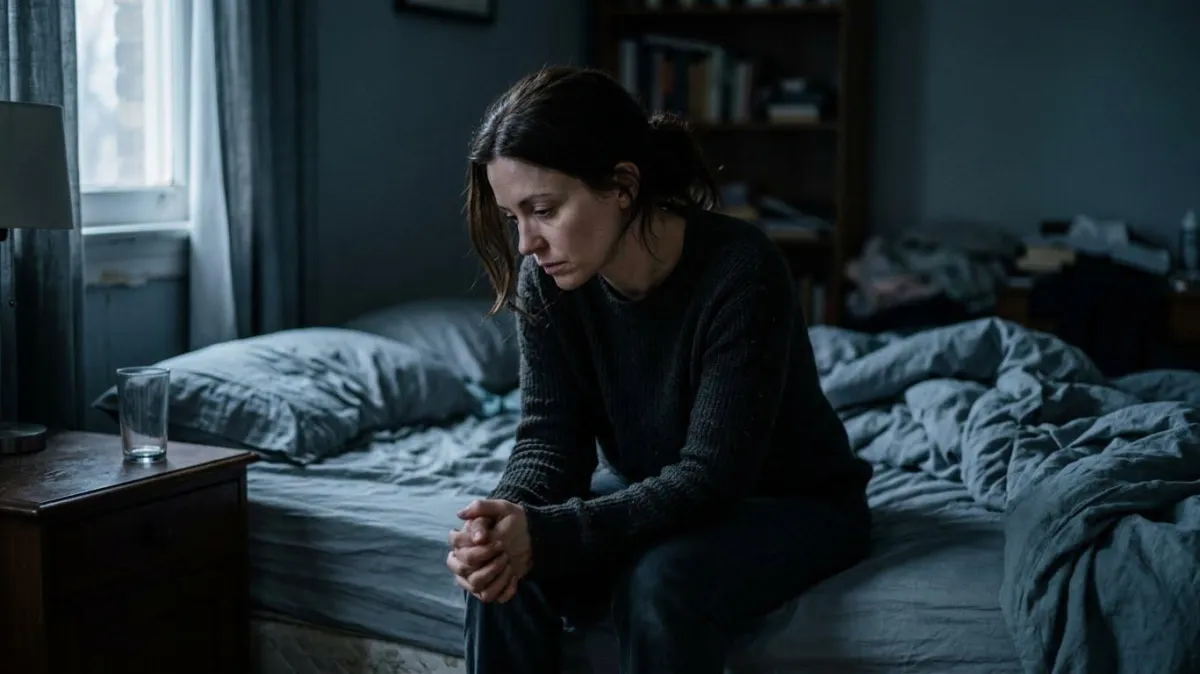
What Are the 17 Symptoms of Complex PTSD? Understanding PTSD Signs, Causes, and Treatment
Complex PTSD (C-PTSD) can develop after a person goes through trauma for a long time or experiences it again and again. This often happens when someone feels trapped and cannot get away from the situation. Unlike C-PTSD, which is often linked to one traumatic event, Complex PTSD can affect many parts of a person's life. It can make it harder to manage emotions, build healthy relationships, and feel good about yourself.
The 17 symptoms of Complex C-PTSD include common C-PTSD symptoms like flashbacks, avoiding reminders of trauma, and always feeling on alert. They also include problems with self-esteem, emotional control, and relationships with other people. If you are in Grand Terrace, CA, trauma-informed help is available.
What Is Complex PTSD (CPTSD)?
Complex C-PTSD is a mental health condition that develops after prolonged or repeated trauma, especially in situations where the person feels trapped and unable to escape. This is different from standard C-PTSD, which usually follows a single traumatic event.
The World Health Organization officially recognizes C-PTSD in the ICD-11. It includes the core symptoms of C-PTSD plus three additional clusters that affect emotional regulation, self-perception, and relationships in lasting, deep ways.
Think of it this way: a single car crash can cause C-PTSD. But growing up in a home where you were abused or neglected for years, or spending months in captivity, or surviving a relationship with an abusive partner for a long time creates a different kind of wound. The brain and nervous system adapt to survive constant danger, and those adaptations do not just switch off when the danger ends.
Complex PTSD vs C-PTSD: What Is the Difference?
Both conditions share roots in trauma, and both cause flashbacks, avoidance, and hyperarousal. Standard PTSD is typically tied to a specific event and primarily affects fear responses. Complex PTSD affects nearly every part of a person's inner world, including who they believe they are.
PTSD usually results from a single traumatic event, causes mild identity impact, and emotion regulation is often manageable. Relationship effects are present, shame and guilt are occasional, dissociation is possible, and it is recognized in DSM-5.
Complex PTSD on the other hand stems from prolonged or repeated trauma. It causes severe identity impact and severely disrupted emotion regulation. Relationships are deeply disrupted, shame and guilt are chronic and central, dissociation is common, and it is only recognized in ICD-11, not DSM-5.
What Are the 17 Symptoms of Complex C-PTSD?
These 17 symptoms are based on the recognized patterns that clinicians and trauma specialists most commonly observe across people living with complex trauma. Not everyone experiences all of them, and they show up differently in different people. But together, they paint a clear picture of what complex C-PTSD actually looks like.
Emotional Flashbacks
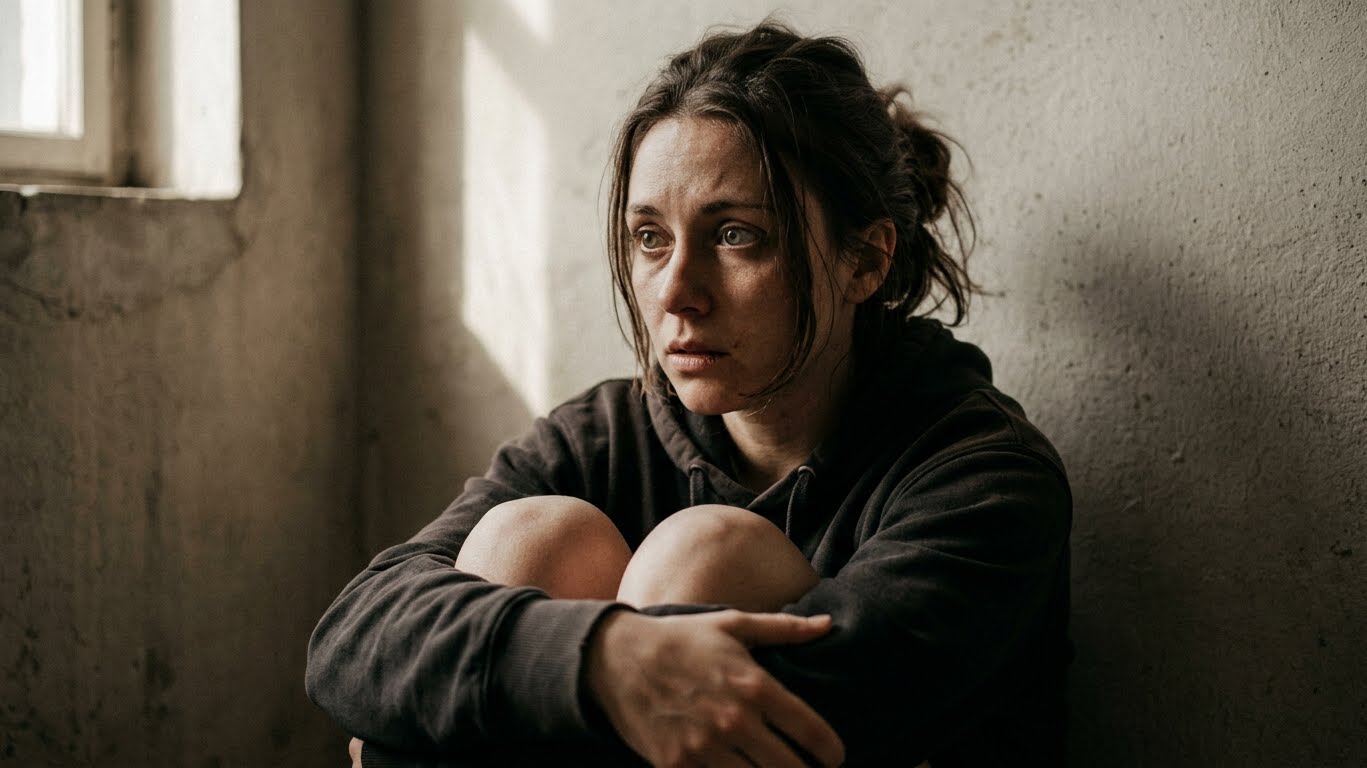
Most people think of flashbacks as vivid visual memories, like a movie playing in your head. Emotional flashbacks are different. They are sudden, overwhelming floods of emotion: intense fear, shame, helplessness, or despair that hit without warning and without a clear memory attached to them. You might feel like a scared child again without knowing why. These are one of the most common and least understood symptoms of C-PTSD.
Chronic Feelings of Shame
This is not guilt about something you did. This is a bone-deep belief that something is fundamentally wrong with you as a person. People with C-PTSD often carry shame they absorbed from their abusers, shame that was never theirs to carry in the first place. It shows up as constant self-criticism, hiding, and the feeling that you do not deserve good things.
Difficulty Regulating Emotions
Emotional dysregulation is one of the defining features of complex C-PTSD. One moment you feel fine, and the next you are flooded with rage, grief, or panic that seems completely disproportionate to what triggered it. This happens because trauma disrupts the brain's normal emotional processing systems, particularly the areas that help regulate the stress response.
Persistent Anxiety and Hypervigilance
The nervous system of someone with CPTSD is often stuck in a state of high alert. They scan rooms constantly, read people's faces for signs of threat, and feel on edge even in safe situations. This hypervigilance is exhausting and often leads to sleep problems, physical tension, and an exaggerated startle response.
Emotional Numbing
On the other end of the emotional spectrum, some people with complex PTSD shut down completely. They feel detached, empty, or like they are watching their own life from a distance. This emotional numbing is a survival response. The brain learned to protect itself from pain by turning down the volume on all feelings, including joy, love, and connection.
Difficulty Trusting Others
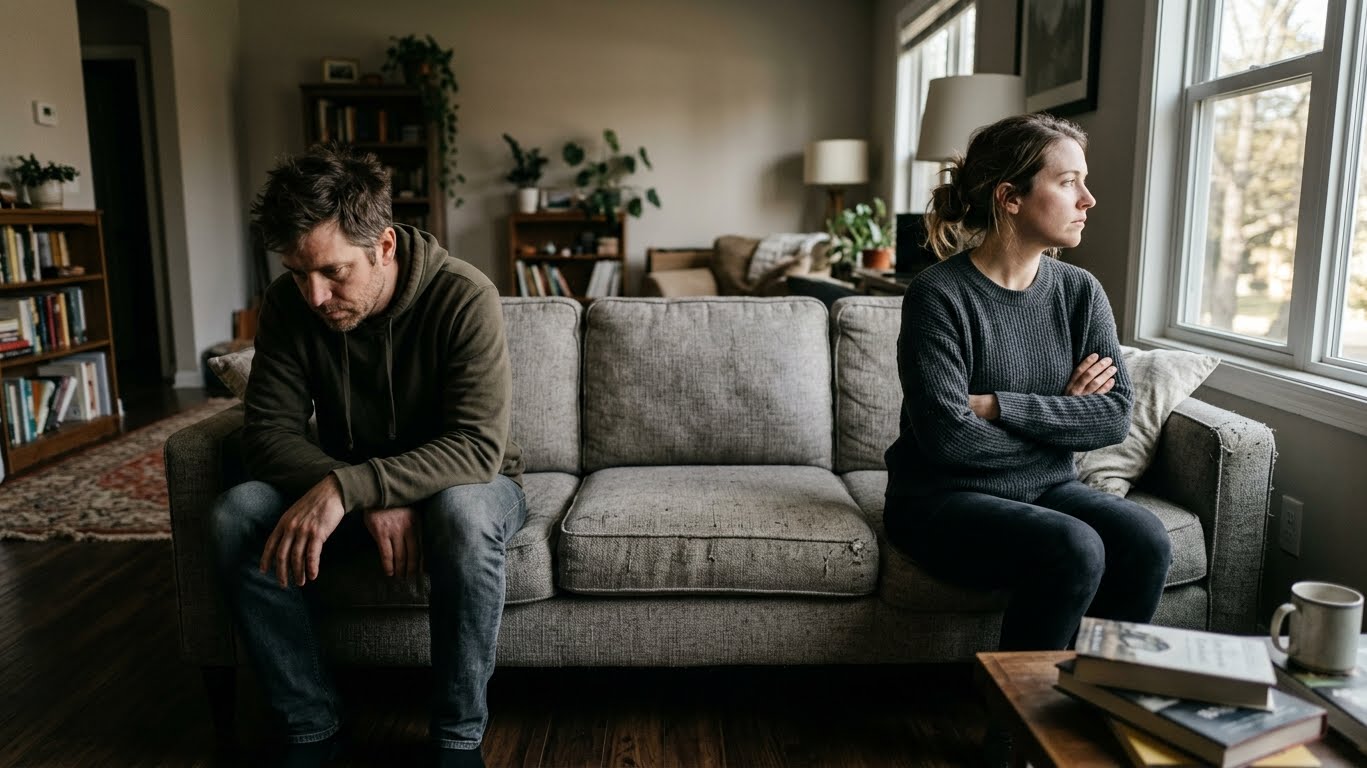
When the people who were supposed to protect you were the source of harm, trust becomes nearly impossible to rebuild. People with CPTSD often expect to be betrayed, manipulated, or abandoned, even by people who have given them no reason for that fear. This is not paranoia. It is a learned response to real patterns of harm.
Fear of Abandonment
Closely tied to trust issues, the fear of abandonment can drive people with CPTSD to cling too tightly, push people away before they can leave, or stay in harmful relationships just to avoid being alone. The terror of being left can feel life-threatening even when it is not.
Relationship Instability
Relationships become unpredictable and painful when CPTSD is present. A person might go from feeling deeply connected to someone one day and completely shut down the next. Conflict feels catastrophic. Intimacy feels dangerous. This instability is not a character flaw. It is a direct result of relational trauma.
Negative Self-Concept
People with complex CPTSD often see themselves through the eyes of those who hurt them. Persistent negative beliefs like "I am worthless," "I am broken," or "I deserve bad things" are not just low self-esteem. They are deeply rooted cognitive patterns that developed as survival mechanisms and now feel like facts.
Chronic Guilt
Similar to shame, chronic guilt in CPTSD is not tied to any specific wrong action. It is a constant, vague sense that you are somehow to blame for your own suffering, for the way others behave, or for things that were completely outside your control. Survivors of childhood abuse commonly carry guilt that belongs to their abusers.
Dissociation
Dissociation happens when the mind disconnects from the present moment as a way to escape unbearable pain. It can feel like spacing out, losing time, feeling detached from your body (depersonalization), or feeling like the world around you is not real (derealization). Some people dissociate mildly and frequently without realizing it.
Difficulty Feeling Safe
Even in genuinely safe environments, people with complex CPTSD often cannot relax. The body does not get the signal that danger has passed. Safety feels unfamiliar, temporary, or even suspicious. Some people unconsciously seek out chaos because calm feels more threatening than familiar danger.
Avoidance of Trauma Triggers
Avoiding people, places, sounds, smells, or situations that are connected to trauma is a normal protective response. In CPTSD , this avoidance can become so broad that it shrinks a person's entire world. Some people stop leaving the house, stop watching certain types of media, or stop talking about whole parts of their life.
Intrusive Thoughts and Memories
Unwanted memories and thoughts about the trauma push into daily life without warning. Unlike emotional flashbacks, these can include specific visual memories, recurring nightmares, or intrusive images that interrupt focus and concentration at random moments.
Physical or Somatic Symptoms
Trauma lives in the body. People with complex CPTSD often experience chronic pain, headaches, digestive issues, fatigue, or unexplained physical symptoms that have no clear medical cause. The body holds what the mind cannot fully process, and somatic symptoms are one of the most overlooked signs of complex trauma.
Loss of Identity or Purpose
Prolonged trauma can strip away a person's sense of who they are. Survivors often feel like they have no real self, no clear values or interests, or no idea what they want from life. They may feel permanently different from other people, fundamentally damaged, or cut off from any sense of meaning or future.
Difficulty Maintaining Healthy Boundaries
People who grew up in environments where their boundaries were repeatedly violated often did not learn what healthy limits look or feel like. They may say yes when they mean no, allow others to treat them poorly, or swing to the opposite extreme and put up walls that keep everyone out.
How Complex CPTSD Affects Daily Life
The reach of complex CPTSD is wide. In relationships, it creates cycles of closeness and withdrawal that confuse both partners and can lead to repeated breakups or painful loneliness. At work, difficulty concentrating, emotional dysregulation, and hypervigilance make it hard to perform consistently or feel safe with colleagues or authority figures.
The chronic stress response that stays activated in CPTSD is linked to a higher risk of autoimmune conditions, cardiovascular problems, and chronic pain. Self-esteem often stays so low that people with complex CPTSD do not seek help because they do not believe they deserve it. For parents, unresolved complex trauma can affect how they respond to their children, sometimes repeating patterns they desperately do not want to pass on.
How Is Complex PTSD Diagnosed?
PTSD is not currently listed in the DSM-5, the diagnostic manual used in the United States. However, it is officially recognized in the ICD-11, the classification system used by the World Health Organization and widely referenced internationally. CPTSD is mainly caused by long-term trauma, while BPD has multiple causes.
PTSD is frequently misdiagnosed because its symptoms overlap with several other conditions. It is commonly confused with standard PTSD, anxiety disorders, major depressive disorder, and borderline personality disorder. Complex PTSD is linked to ongoing trauma, while BPD can develop from a mix of different factors.
Evidence-Based Treatments for Complex PTSD

Complex PTSD is treatable. Recovery looks different for different people and often takes time, but real improvement is possible with the right support.
Trauma-Focused Cognitive Behavioral Therapy (TF-CBT) helps people examine and shift the negative thought patterns that trauma has created, while also processing specific traumatic memories in a structured, safe way.
Eye Movement Desensitization and Reprocessing (EMDR) uses guided eye movements or other forms of bilateral stimulation to help the brain reprocess traumatic memories so they lose their emotional charge.
Dialectical Behavior Therapy (DBT) was originally developed for people with severe emotional dysregulation. It teaches concrete skills for tolerating distress, regulating emotions, and building healthier relationships. It is especially useful for the emotional regulation challenges that define complex PTSD.
Cognitive Processing Therapy (CPT) focuses specifically on challenging and changing the unhelpful beliefs that develop after trauma, particularly around safety, esteem, and intimacy.
Self-Help Strategies for Managing Complex CPTSD Symptoms
Daily practices matter alongside professional treatment. Building a support network of even one or two safe people can break the isolation that feeds complex trauma symptoms. Grounding techniques like the 5-4-3-2-1 method or simply focusing on what you can feel and hear right now can interrupt emotional flashbacks. Setting small boundaries, moving your body gently, and keeping a consistent sleep routine all help regulate a nervous system that has been overworked for too long.
When to Seek Professional Help
Some signs should not be ignored. If your symptoms are making it hard to hold down work or maintain basic routines, if you are using alcohol or substances to manage your emotional state, if you are hurting yourself or thinking about it, or if you feel completely hopeless about the future, please reach out to a mental health professional as soon as possible.
When looking for a therapist, specifically ask whether they have training and experience in trauma and complex CPTSD. Trauma-informed care is not the same as general mental health care, and the difference in quality of treatment can be significant.
Ready to Heal From Complex PTSD?
If you recognize these symptoms in yourself or someone you love, you do not have to figure it out alone. Radiant Path Therapy in Grand Terrace, CA offers trauma-specialized care with licensed therapists who truly understand complex PTSD. Contact us today and take the first step toward healing. We provide both in-person and telehealth sessions, accept most PPO insurance plans, and same-day admission is available.
Conclusion
The 17 symptoms of complex CPTSD are not character flaws. They are the marks of a nervous system that learned to survive something it never should have faced. Recognizing them is the first step, because you cannot address something you cannot name. Treatment works. EMDR, DBT, and trauma-focused therapy have helped thousands of people move from surviving to living. If you see yourself in this guide, please reach out. You deserve care from someone who truly understands complex trauma.
Frequently Asked Questions
Can you have Complex PTSD without remembering the trauma?
Especially when trauma occurred in early childhood, explicit memories may be absent or fragmented. The body and nervous system often hold the effects of trauma even when the mind does not have clear access to the memories.
Is Complex PTSD recognized in the DSM-5?
The DSM-5 does not list PTSD as a separate diagnosis. Many clinicians in the United States use the PTSD diagnosis with additional specifiers, or diagnose related conditions while treating the complex trauma symptoms directly.
Can Complex PTSD be cured?
Cured may not be the most helpful frame. With effective treatment, many people experience significant symptom reduction and go on to live fulfilling, connected lives. Recovery is real. It is not always linear, but it is possible.
How long does PTSD last?
Without treatment, symptoms can persist for many years or even decades. With trauma-informed care, many people see meaningful improvement over months to a few years, depending on the severity of trauma and the support available.
Can children develop Complex PTSD?
Children who experience ongoing abuse, neglect, or exposure to domestic violence are at significant risk. Early intervention is especially important because complex trauma affects developing brains and attachment systems in lasting ways.


