

What Is Outpatient Mental Health Treatment?
Outpatient mental health treatment is professional therapy, counseling, psychiatric care, or structured mental health support that does not require an overnight hospital stay. You attend scheduled treatment sessions and return home afterward. Depending on your needs, care may include individual therapy, group or family therapy, medication management, outpatient psychiatric treatment, an intensive outpatient program (IOP), or a partial hospitalization program (PHP).
For people in Grand Terrace, CA, and across California, Radiant Path Therapy provides outpatient mental health treatment designed around each person's symptoms, goals, and level of support needed. Care may be available in person or through telehealth, while more structured IOP and PHP options can provide additional support without requiring an overnight stay.
So, how does outpatient mental health work and what should you expect? Treatment usually begins with an assessment, followed by a personalized care plan, scheduled therapy or psychiatric appointments, and regular progress reviews. Outpatient care may work well for people who can remain safe at home and continue daily responsibilities, while people who need 24-hour supervision or immediate stabilization may require inpatient care instead. This guide explains outpatient therapy, outpatient psychiatric care, IOP and PHP programs, who they are for, what happens during treatment, and how outpatient and inpatient mental health care differ.
How Does Outpatient Mental Health Treatment Work?
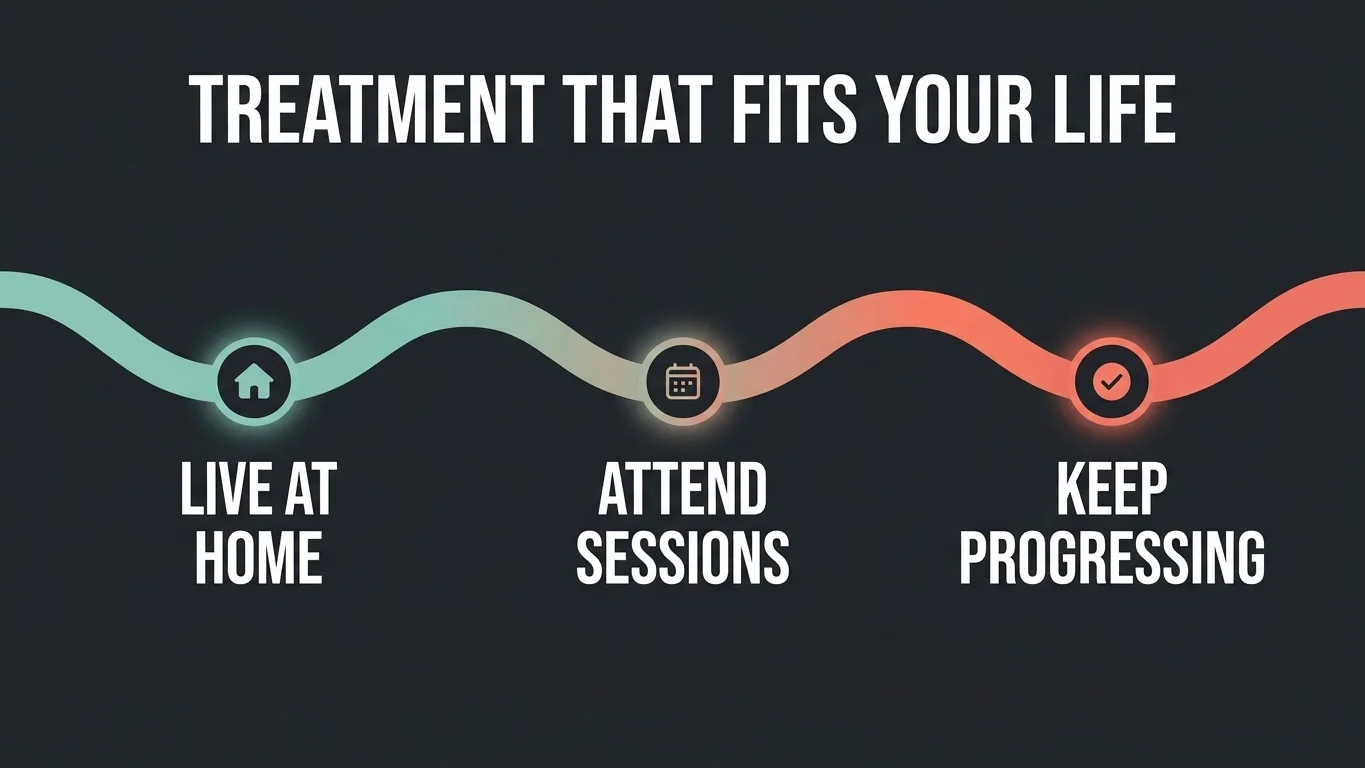
The process starts before your first therapy session even begins.Your initial assessment is the foundation of everything. A mental health professional will ask about your symptoms, your history, what has helped in the past, and what your day-to-day life looks like.
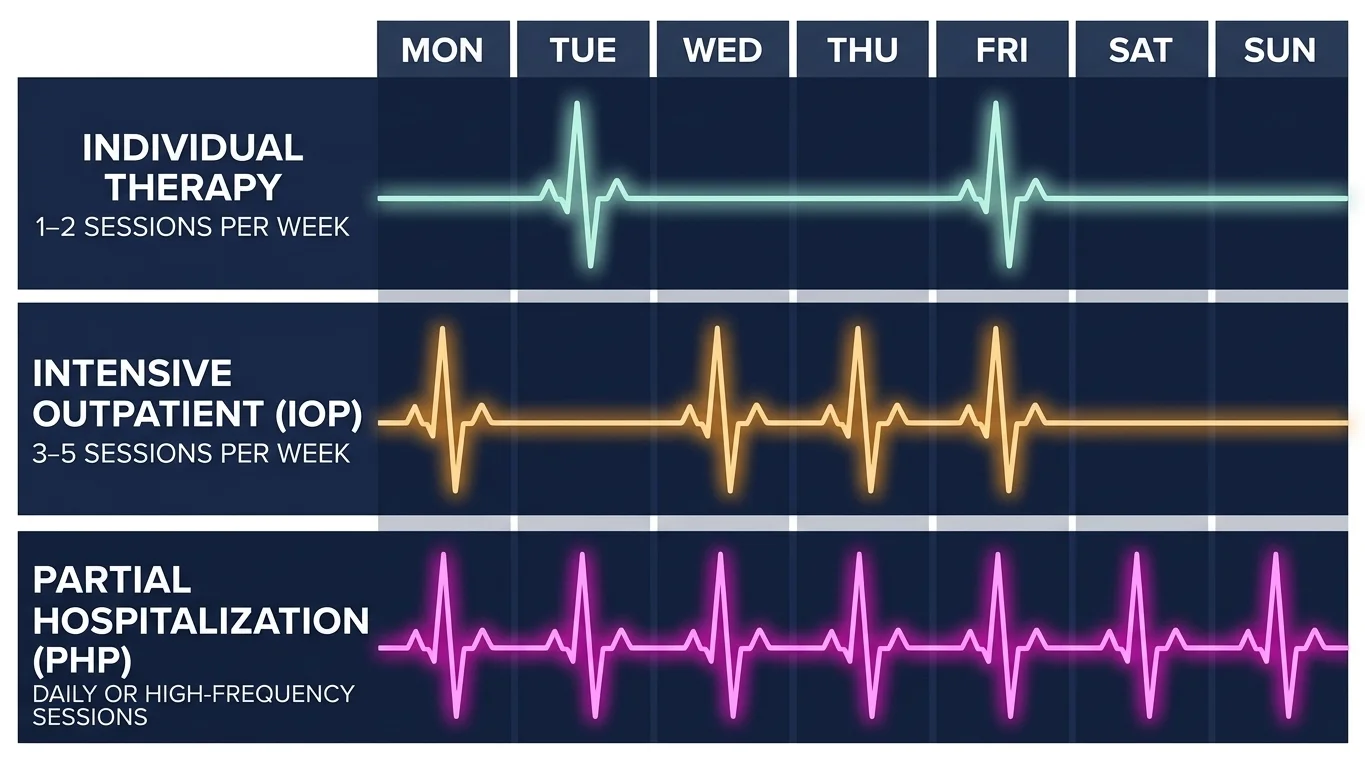
Some providers also coordinate with your primary care doctor or request lab work to rule out any physical factors. Most people in standard outpatient care attend one to two sessions per week. Each session usually runs 45 to 60 minutes. More intensive programs meet more frequently. Throughout the process, your progress is monitored and your provider adjusts the plan based on how you are responding.
What Services Are Included in Outpatient Mental Health Treatment?
Outpatient mental health services can include individual therapy, group counseling, family therapy, psychiatric evaluations, medication management, and behavioral health support. The exact combination of services depends on a person's symptoms, goals, diagnosis, and the level of support they need.
Some people only need regular psychotherapy sessions, while others benefit from more structured care through an intensive outpatient program or partial hospitalization program. Outpatient services may also include telehealth appointments, progress reviews, coping-skills training, and coordination with other healthcare providers.
Types of Outpatient Mental Health Treatment
Not all outpatient care looks the same. The right type depends on how much support you need and what your schedule allows.
Individual Therapy
This is one-on-one work between you and a therapist. Sessions focus on your specific concerns, thought patterns, behaviors, and goals. Common approaches include cognitive behavioral therapy, which helps you identify and change unhelpful thinking, and dialectical behavior therapy, which builds emotional regulation and distress tolerance skills.
Group Therapy
Group therapy brings together a small number of people dealing with similar challenges. A trained therapist leads the sessions, and the group dynamic creates something that individual therapy cannot fully replicate. Group sessions also build social skills and reduce the isolation that mental health conditions often create.
Family Therapy
Mental health conditions affect everyone in a household, not just the person diagnosed. Family therapy brings family members into the process to improve communication, resolve conflict, and build a stronger support system. It is particularly valuable when relationship dynamics are part of what is making things harder.
Intensive Outpatient Programs
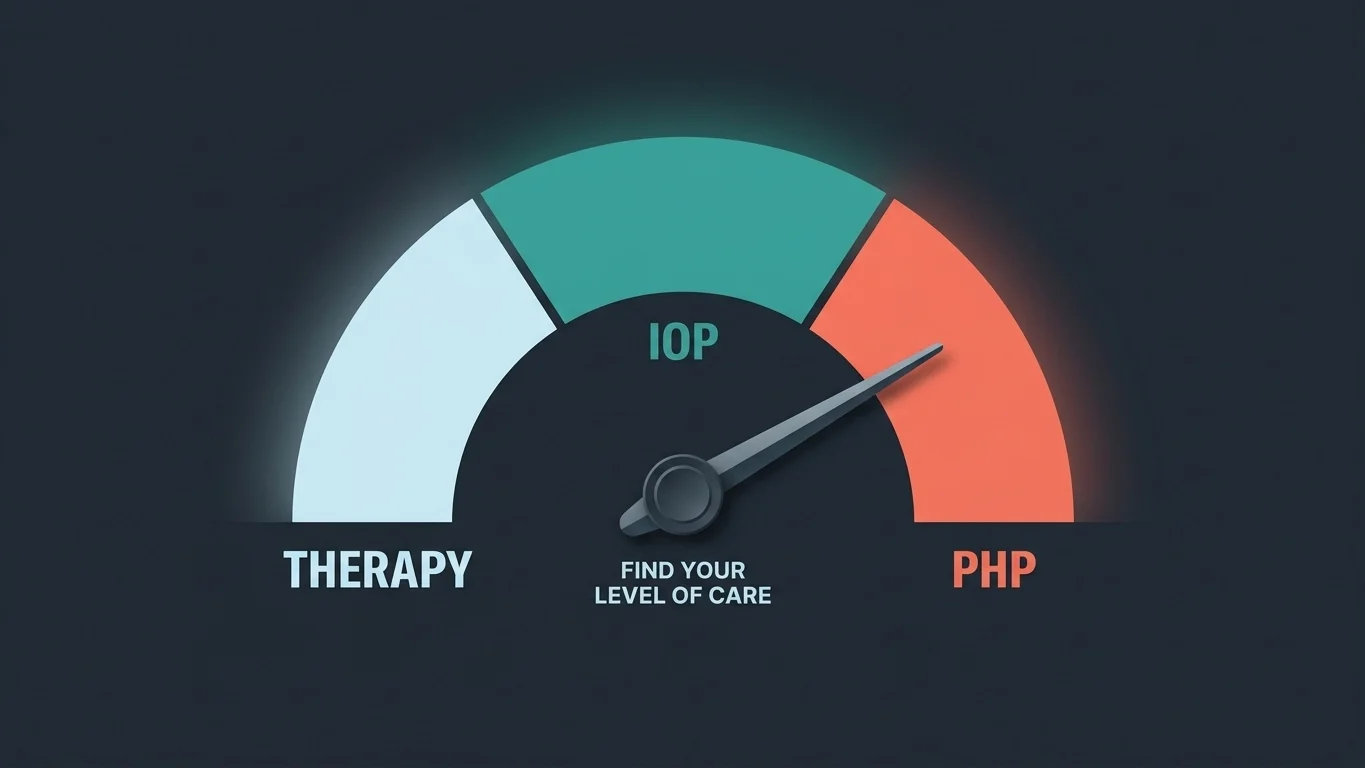
An intensive outpatient program is a step up from standard weekly therapy. Most IOPs require at least nine hours of services per week for adults, spread across several days. Sessions include group therapy, skills training. IOPs were originally developed for substance use disorders but are now widely used for depression, anxiety, trauma, and eating disorders as well.
Partial Hospitalization Programs
A partial hospitalization program (PHP) is the most intensive type of outpatient care. It usually involves treatment for about 4–6 hours a day, five days a week. It is designed for people who need strong support and structure but do not require 24-hour hospital care. PHP is often used after inpatient treatment or to prevent hospitalization when symptoms are serious.
What Is Outpatient Therapy and Counseling?
Outpatient therapy means receiving psychotherapy or counseling through scheduled appointments without staying overnight at a treatment facility. A person may meet with a therapist once a week, every other week, or more often depending on their needs and treatment plan.
Outpatient counseling can focus on anxiety, depression, trauma, grief, relationships, stress, or other emotional and behavioral concerns. Because the person continues living at home, they can practice the skills discussed in therapy between sessions and review their progress with their therapist.
What Is Outpatient Psychiatric Treatment?
Outpatient psychiatric treatment provides mental health evaluation and psychiatric care without requiring an overnight hospital stay. It may include diagnostic assessments, medication management, symptom monitoring, and regular follow-up appointments with a psychiatrist or another qualified mental health prescriber.
Psychiatric care is different from psychotherapy, although both may be part of the same treatment plan. Therapy focuses mainly on thoughts, emotions, behaviors, and coping skills, while psychiatric treatment may also address diagnosis, medication, and ongoing medical management of mental health symptoms.
Conditions Treated in Outpatient Mental Health Care
Outpatient mental health care can support people dealing with a wide range of emotional, behavioral, and psychiatric conditions. Common concerns include anxiety disorders, depression, PTSD, trauma-related conditions, bipolar disorder, ADHD, substance use disorders, grief, chronic stress, and relationship difficulties. Treatment may include therapy, counseling, psychiatric care, medication management, or a combination of services based on the person's needs.
The right level of outpatient care depends on symptom severity, safety, daily functioning, and how much support a person needs. Some people may do well with regular weekly therapy, while others may benefit from a more structured intensive outpatient program or partial hospitalization program. Outpatient treatment is generally most appropriate when a person can safely remain at home and does not require 24-hour supervision.
Who Can Benefit from Outpatient Treatment?
Outpatient treatment is best suited for people with mild to moderate symptoms who have a stable home environment and can manage their basic daily responsibilities without constant supervision. If you are safe at home, have some support around you, and are motivated to engage with treatment, outpatient care is likely a good fit.
It is also an important option for people transitioning out of inpatient or residential care. Moving from a highly structured environment back into daily life is a significant adjustment. Outpatient programs provide continued structure and support during that transition and lower the risk of relapse.Teens, adults, and working professionals all benefit from outpatient treatment.
Outpatient vs Inpatient Mental Health Treatment
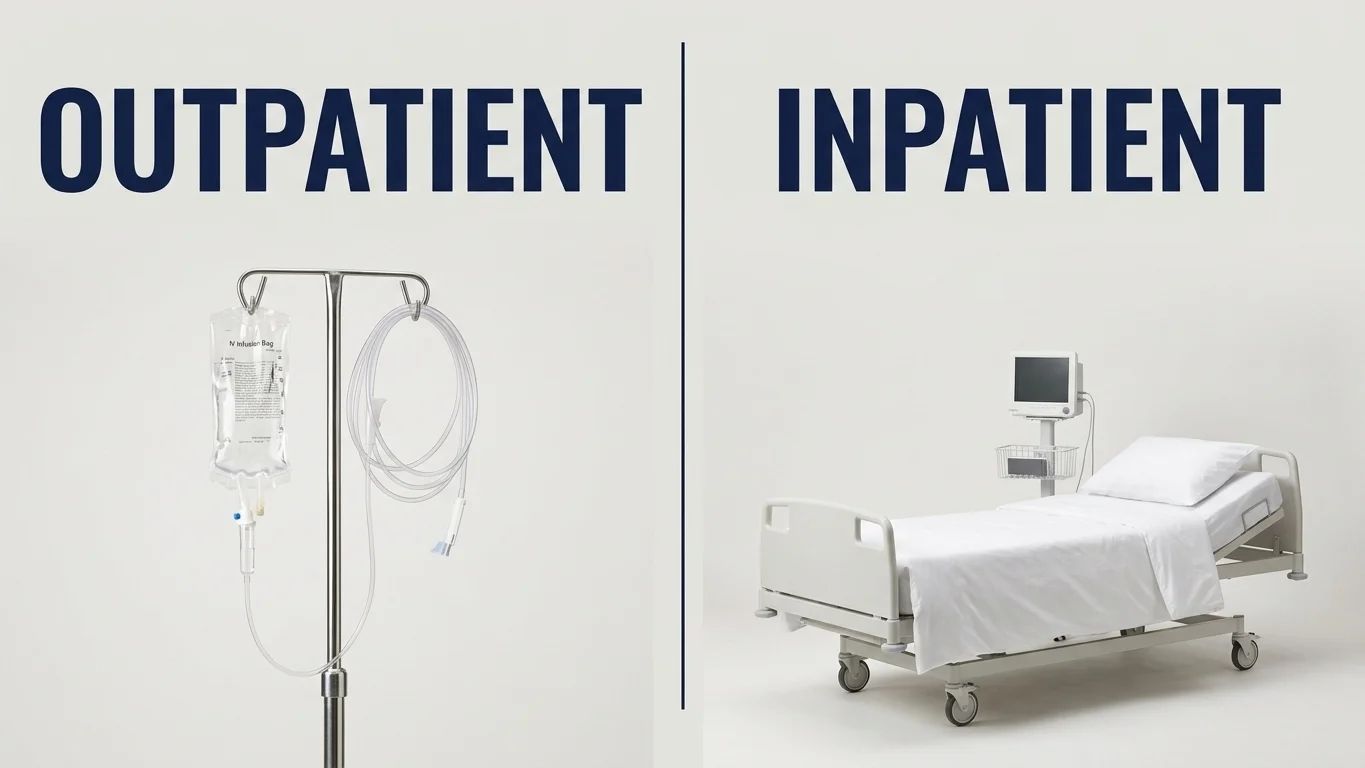
Outpatient and inpatient mental health treatment differ mainly in where care is provided, how much structure is involved, and whether 24-hour supervision is needed. The right option depends on symptoms, safety, daily functioning, and the level of support a person needs.
Factor | Outpatient Mental Health Treatment | Inpatient Mental Health Treatment |
Where You Stay | You attend scheduled appointments and return home the same day. | You stay at a hospital or treatment facility throughout your care. |
Level of Support | Provides scheduled therapy, psychiatric care, and ongoing monitoring without constant supervision. | Provides 24-hour supervision, medical support, and a highly structured environment. |
Treatment Schedule | Sessions may occur weekly, several times per week, or daily in more intensive outpatient programs. | Treatment and monitoring take place throughout the day and night. |
Daily Routine | You may continue working, attending school, caring for family, and managing normal responsibilities. | You usually step away from work, school, and regular daily responsibilities during treatment. |
Types of Care | May include individual therapy, group therapy, family therapy, medication management, IOP, or PHP. | May include psychiatric stabilization, medication management, therapy, medical monitoring, and crisis support. |
Cost | Often costs less because there is no overnight accommodation or 24-hour staffing expenses. | Often costs more because care includes housing, meals, medical monitoring, and continuous staffing. |
Who It May Suit | Often appropriate for people who can safely remain at home and participate in scheduled treatment. | May be needed when symptoms are severe, safety cannot be maintained at home, or continuous monitoring is required. |
Main Goal | Provide ongoing treatment while helping a person manage mental health needs within everyday life. | Provide intensive stabilization and support until a person can safely transition to a lower level of care. |
Benefits of Outpatient Mental Health Treatment
Outpatient mental health treatment gives people access to professional support without requiring an overnight stay. It can make care easier to fit into everyday life while still providing consistent treatment and follow-up.
Flexible Scheduling: Appointments can often be arranged around work, school, family, and other daily responsibilities.
Lower Overall Cost: Outpatient care is usually less expensive than inpatient treatment because it does not include overnight stays or 24-hour facility costs.
Continue Daily Routines: People can remain at home, keep working, attend school, and stay involved with family while receiving treatment.
Access to Different Services: Care may include individual therapy, group therapy, family counseling, psychiatric care, and medication management.
Practice Skills in Real Life: Patients can use coping strategies and therapy skills in everyday situations between appointments.
Family and Social Support: Living at home makes it easier to stay connected with family, friends, and other supportive people.
Ongoing Progress Monitoring: Regular appointments allow providers to review progress and adjust the treatment plan when needed.
Different Levels of Care: Outpatient treatment can range from weekly therapy to more structured programs such as IOP or PHP, depending on individual needs.
What to Expect During Outpatient Therapy
Your first appointment will feel more like a conversation than a clinical procedure. Your provider will ask questions and listen carefully. There is no pressure to have everything figured out. That first session is about understanding where you are so that the treatment can be built around your actual situation.
Sessions after that follow a structure, but not a rigid one. You and your therapist work on goals that feel relevant to your life. Progress is discussed openly. If something is not helping, you can say so and the approach will be adjusted.
How Often Do You Attend Outpatient Mental Health Treatment?
How often you attend outpatient mental health treatment depends on your symptoms, treatment goals, and level of care. Standard outpatient therapy may involve weekly or biweekly appointments, while someone who needs more support may attend several sessions each week.
Intensive outpatient programs usually involve multiple treatment hours across several days, while partial hospitalization programs may require treatment for much of the day. As symptoms improve, the treatment schedule may be adjusted based on progress and clinical needs.
Is Outpatient Mental Health Treatment Effective?
Outpatient mental health treatment can be effective for many people when the level of care matches their symptoms, safety needs, and treatment goals. Evidence-based approaches such as cognitive behavioral therapy, dialectical behavior therapy, trauma-focused therapy, and medication management may help people manage anxiety, depression, trauma-related conditions, and mood disorders.
Results can vary from person to person, and progress often depends on factors such as treatment consistency, active participation, the type of condition being treated, and the support available outside of sessions. Regular appointments also give providers a chance to review progress and adjust the treatment plan when a different approach or higher level of care may be needed.
Signs You May Need Outpatient Mental Health Treatment
Persistent sadness or anxiety that has lasted more than two weeks and does not lift on its own is a clear sign that professional support is worth seeking. Difficulty managing everyday stress, trouble sleeping, changes in appetite, and withdrawing from friends and activities you used to enjoy are all signals worth paying attention to.
If mental health symptoms are starting to affect your ability to work, study, or maintain relationships, that is a meaningful indicator. Emotional instability, mood swings that feel out of proportion to what is happening, or thoughts that feel overwhelming and hard to control all point toward the value of structured support.
Find the Right Outpatient Mental Health Support
If you are looking for outpatient mental health treatment in Grand Terrace, CA, Radiant Path Therapy can help you understand which level of care may fit your needs. Support may include outpatient therapy, psychiatric care, telehealth, IOP, or PHP based on your symptoms, goals, and treatment plan.
Contact Radiant Path Therapy to schedule an assessment and discuss your next steps. You can also verify your PPO insurance benefits and learn whether same-day admission may be available.
Conclusion
Outpatient mental health treatment means receiving professional therapy, counseling, psychiatric care, or structured behavioral health services while continuing to live at home. Depending on the level of support needed, treatment may range from regular outpatient psychotherapy and medication management to more structured intensive outpatient programs or partial hospitalization programs. Unlike inpatient treatment, outpatient care does not normally require 24-hour supervision or an overnight stay.
If you are wondering what outpatient therapy means, how outpatient mental health treatment works, or what to expect, the process usually begins with an assessment and a treatment plan based on your symptoms, goals, safety, and daily needs. Sessions may include individual therapy, group therapy, family support, psychiatric care, or a combination of services. The right level of treatment depends on how much structure and clinical support you need.
For people who can safely remain at home, outpatient care can provide ongoing mental health support while allowing them to continue work, school, family responsibilities, and everyday routines. If symptoms become severe enough that safety cannot be maintained or around-the-clock monitoring is needed, a higher level of care may be more appropriate. The goal is to choose the level of mental health treatment that best matches your current needs.
Frequently Asked Questions
What is outpatient mental health treatment used for?
Outpatient mental health treatment is used to support people with conditions such as anxiety, depression, PTSD, bipolar disorder, ADHD, and substance use concerns. It can also help with grief, stress, relationship problems, and major life changes. Treatment may include therapy, psychiatric care, medication management, or structured outpatient programs based on individual needs.
How long does outpatient treatment last?
There is no single timeline for outpatient mental health treatment. Some people may need support for a few weeks or months, while others continue treatment for a longer period. The length of care depends on the condition being treated, symptom severity, treatment goals, progress, and how often sessions are scheduled.
Is outpatient treatment covered by insurance?
Many health insurance plans include some coverage for outpatient mental health services, but benefits vary by plan. Coverage may depend on the provider, type of treatment, deductible, copay, and whether the provider is in network. It is best to verify your benefits with your insurance company or treatment provider before beginning care.
Can I work while in outpatient treatment?
Yes, many people continue working, attending school, or managing family responsibilities while receiving outpatient treatment. Sessions are often scheduled around daily commitments, and some providers offer evening or telehealth appointments. More intensive programs such as IOP or PHP may require several hours of treatment on multiple days each week.
How do I get started with outpatient mental health treatment?
The first step is usually contacting a mental health provider, treatment center, or primary care doctor for guidance. You may begin with an assessment that reviews your symptoms, history, current concerns, and treatment goals. Based on that evaluation, the provider can recommend the appropriate type and level of outpatient care.


