
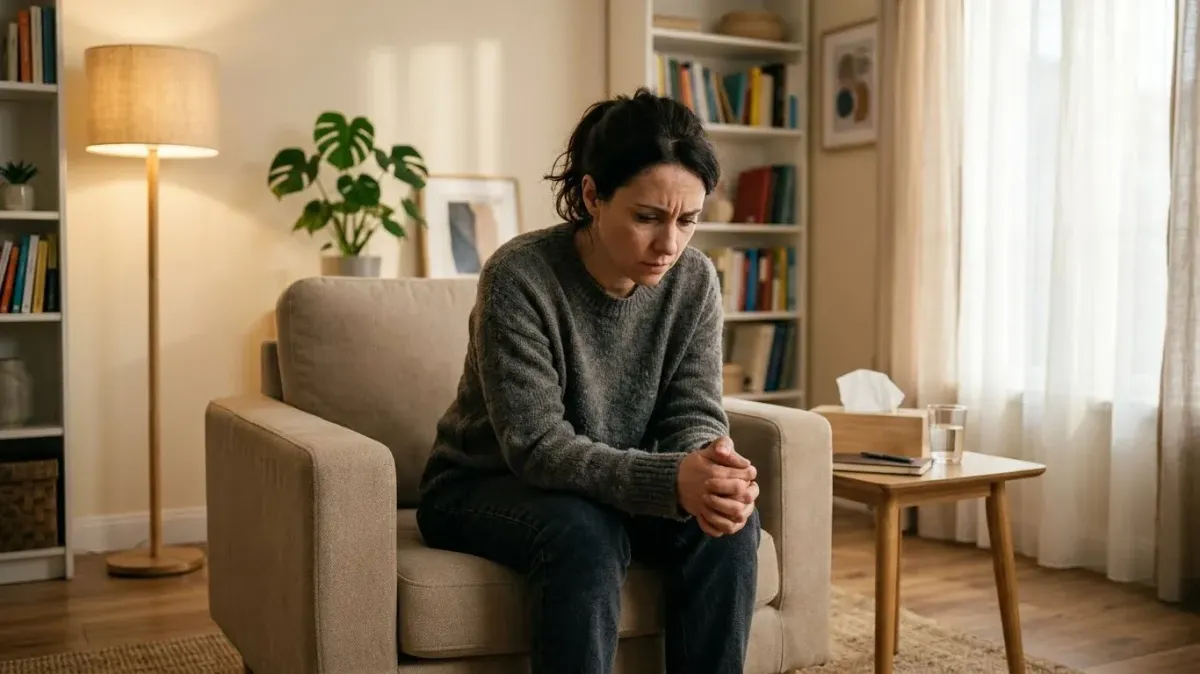
When Does Anxiety Require Medical Intervention?
Most people have had that moment where their heart is pounding before a big presentation, their stomach is in knots before a difficult conversation, or their mind will not stop racing the night before something important. That kind of anxiety is part of being human. Around 4.4 percent of people around the world have an anxiety disorder, making it the most common mental health condition. Even though good treatments exist, only about 1 in 4 people who need help actually get it. Many people do not know that anxiety is treatable, and others stay silent because of shame or a lack of access to care.
For people across Grand Terrace, California and nearby areas, getting the right information is the first step toward getting the right help. It covers what anxiety really looks like, when it crosses the line into something more serious, and what kinds of help are available when it does.
What Is Anxiety?
Anxiety is your body's natural response to stress or perceived danger. It triggers what is known as the fight-or-flight response, which is your body getting ready to either face a threat or run from it. In small doses, this response is useful. It keeps you alert, focused, and motivated.
The problem starts when that response does not switch off. When the brain stays in a state of high alert even when there is no real danger, everyday life becomes much harder to manage.
Normal Anxiety vs Anxiety Disorders
Normal anxiety is temporary. It is tied to a specific situation and fades once that situation passes. An anxiety disorder is different. It is persistent, often disproportionate to the actual situation, and does not go away on its own. It tends to grow over time and starts to shape how a person thinks, behaves, and goes about their day.
Common Types of Anxiety Disorders
Generalized Anxiety Disorder, or GAD, involves constant and excessive worry about many different things, from health and money to work and relationships. The worry feels difficult to control and is present most days.
Panic Disorder involves repeated and unexpected panic attacks, which are sudden episodes of intense fear that come with strong physical symptoms like chest pain, shortness of breath.
Social Anxiety Disorder causes intense fear around social situations. People with this condition often worry about being judged, embarrassed, or humiliated, and they may go to great lengths to avoid social settings.
Phobias are strong, irrational fears of specific things or situations, such as heights, flying, or certain animals. The fear is usually much greater than any real danger the thing presents.
Health Anxiety, sometimes called illness anxiety, involves constant worry about having or developing a serious illness, even when there is no medical evidence to support that fear.
Common Symptoms of Anxiety
Anxiety shows up differently for different people. Some feel it mostly in their mind, while others feel it strongly in their body. Many experience both.
Emotional Symptoms
Constant worry that is hard to quiet down, even when things are going reasonably well. A sense of dread or fear that does not have a clear cause. Feeling irritable, on edge, or easily frustrated. Feeling overwhelmed by things that used to feel manageable. A general sense that something bad is about to happen.
Physical Symptoms
A racing or pounding heartbeat, tightness or discomfort in the chest. Sweating more than usual, even when you are not hot or active. Dizziness or feeling lightheaded. Fatigue that does not go away with rest. Trouble falling asleep or staying asleep. Digestive problems like nausea, stomach cramps, or changes in appetite.
Behavioral Symptoms
Avoiding people, places, or situations that trigger anxiety. Canceling plans or making excuses to stay home. Difficulty concentrating at work or school. Pulling away from friends, family, or activities you used to enjoy. Procrastinating on tasks because they feel too overwhelming to start.
Signs Anxiety May Require Medical Intervention
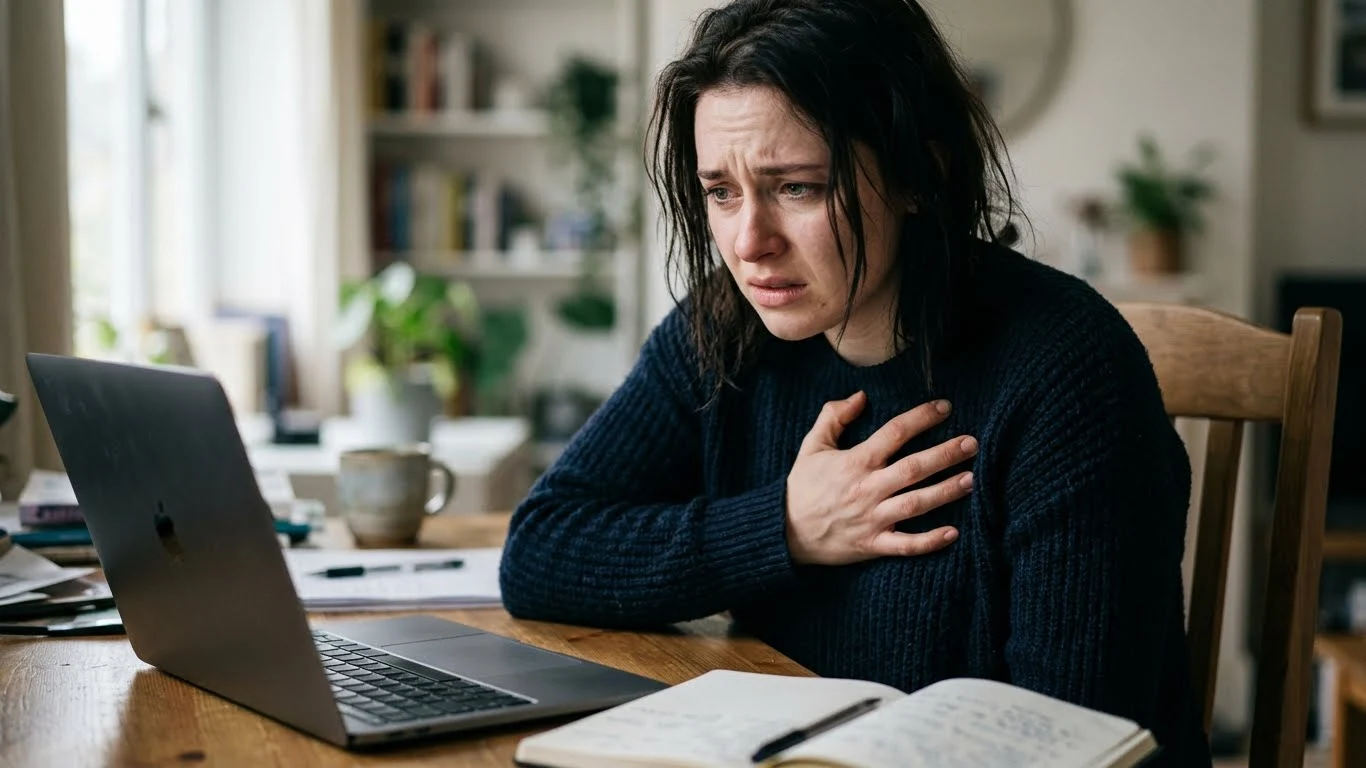
Feeling anxious sometimes is normal, but there are specific signs that tell you it is time to stop managing this alone and get professional support.
Anxiety Is Constant or Has Lasted for Months
If you have been feeling anxious most days for several weeks or longer, and nothing seems to help, that is a sign your anxiety has moved beyond ordinary stress. Anxiety disorders do not tend to resolve on their own without some form of treatment. The longer they go unaddressed, the harder they can become to manage.
Panic Attacks Are Becoming Frequent
A panic attack is a sudden wave of intense fear that peaks within minutes. It often comes with a racing heart, shortness of breath, dizziness, and a feeling that something terrible is about to happen. If you are experiencing panic attacks regularly, especially ones that come without warning, that is a clear signal that medical evaluation is needed.
Anxiety Is Affecting Your Daily Life
When anxiety starts getting in the way of work, school, relationships, or basic responsibilities, it has crossed into territory that needs professional attention. Struggling to concentrate at your job, avoiding social situations entirely, or finding it hard to complete simple daily tasks are all signs that anxiety is no longer something you can push through on your own.
Anxiety Is Leading to Depression or Hopelessness
Anxiety and depression often go hand in hand. If persistent anxiety has started to drain your motivation, take away your enjoyment of life, or leave you feeling emotionally empty or hopeless, that combination requires medical attention. Neither condition improves easily without treatment when they appear together.
Thoughts of Self-Harm or Suicide
If anxiety has reached a point where you are having thoughts of harming yourself or ending your life, please seek help immediately. This is a mental health emergency. Contact emergency services, go to your nearest emergency room, or call a crisis helpline right away. You do not have to be at that point alone.
Causes and Risk Factors for Severe Anxiety
Understanding what makes anxiety worse can help you recognize why some people develop more severe symptoms than others.
Genetics and Family History
Anxiety disorders tend to run in families. If a close family member has struggled with anxiety, you may be more likely to experience it yourself. This does not mean it is unavoidable, but it does mean you may need to be more proactive about managing it.
Trauma and Stressful Life Events
Experiences like childhood trauma, abuse, loss, accidents, or witnessing violence can significantly increase the risk of developing an anxiety disorder. Major life changes, even positive ones like a new job or moving to a new city, can also trigger anxiety in people who are already prone to it.
Chronic Health Conditions
Living with a long-term illness or chronic pain can contribute to anxiety. The uncertainty, discomfort, and ongoing medical management that come with certain health conditions create a constant source of stress that the mind and body eventually respond to.
Substance Use and Caffeine
Alcohol, certain drugs, and even high amounts of caffeine can increase anxiety symptoms or make existing anxiety significantly worse. Some substances produce anxiety as a direct side effect, while others trigger it during the withdrawal period.
Work, Financial, or Relationship Stress
Ongoing pressure from work demands, financial instability, or troubled relationships creates a sustained level of stress that the body and mind were not designed to handle indefinitely. Over time, this kind of chronic stress can develop into a full anxiety disorder.
Treatment Options for Anxiety
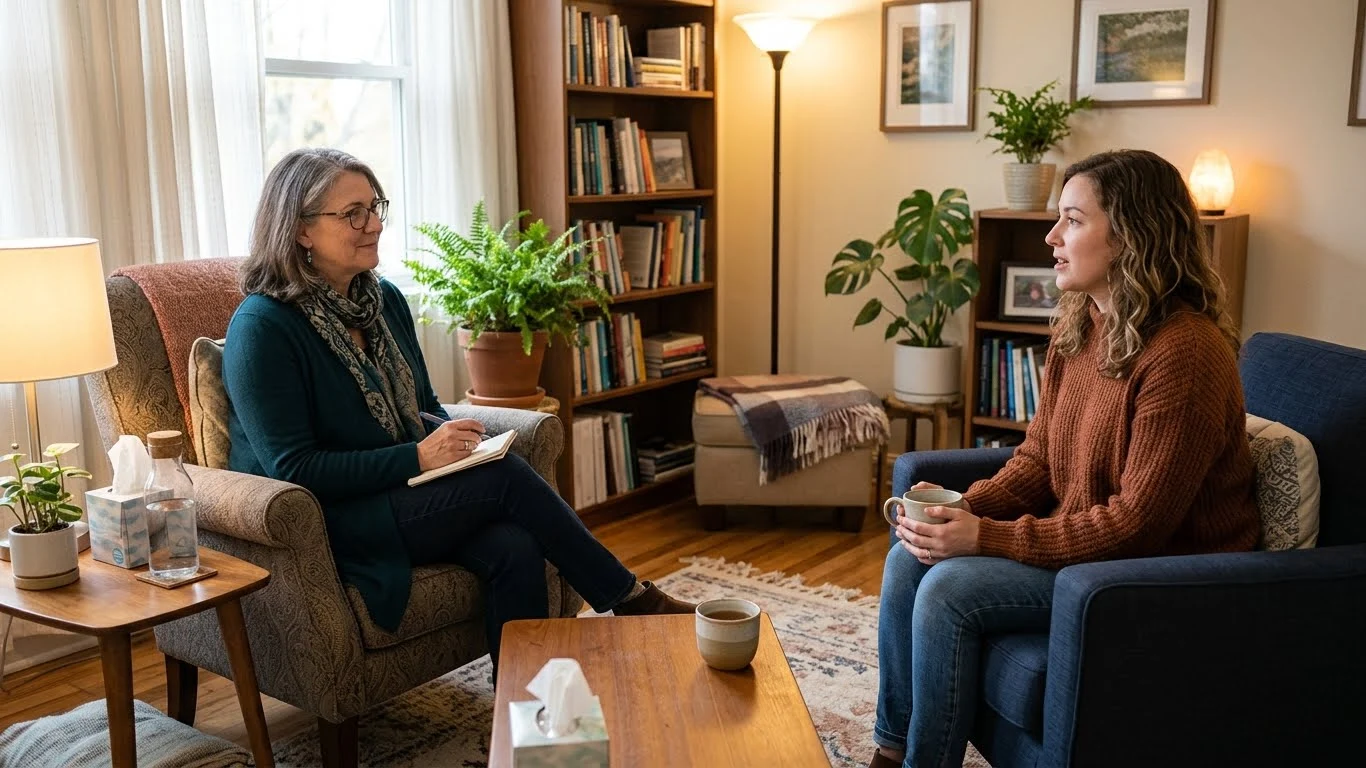
The good news is that anxiety is one of the most treatable mental health conditions. Most people who seek help see meaningful improvement.
Therapy and Counseling
Cognitive Behavioral Therapy, or CBT, is one of the most effective treatments for anxiety. It helps you understand the thoughts that make anxiety worse and teaches you how to respond to them differently. Talk therapy also gives you a safe space to work through what you are feeling with a trained professional.
Medication for Anxiety
For moderate to severe anxiety, medication can make a big difference. SSRIs are the most commonly prescribed type and are generally safe and well tolerated. Other medications may also be used depending on your needs. All anxiety medication should always be managed by a doctor or psychiatrist.
Lifestyle Changes That Help
Small Daily Habits can support your mental health alongside professional treatment. Regular exercise, getting enough sleep, cutting back on caffeine, and finding healthy ways to manage stress all help reduce anxiety over time. These changes work best when combined with therapy or medication.
Support Groups and Community Support
Talking to others who understand what anxiety feels like can reduce loneliness and provide real encouragement. Support groups, both in person and online, give people a space to share experiences and learn from each other without judgment.
How Families Can Support Someone With Anxiety
When someone you love is struggling with anxiety, you do not need to have all the answers. You just need to show up in the right way.
Let them talk without trying to fix things or tell them they are overreacting. Simply feeling heard can make a big difference. Gently encourage them to speak with a doctor or therapist. Offer to help them find someone or go with them to their first appointment.
Avoid saying things like just relax or stop worrying. What they are feeling is real and deserves to be taken seriously. Encourage regular meals, exercise, and a consistent sleep routine. These small habits support recovery and make hard days a little easier to get through.
Tips for Managing Mild Anxiety at Home

If your anxiety is mild and not getting in the way of daily life, there are simple things you can do at home to help keep it under control.
Try breathing exercises. Slow, controlled breathing can calm your body quickly. Breathe in for four counts, hold for four, and breathe out for four. Repeat this a few times whenever anxiety feels strong.
Cut back on caffeine and alcohol. Both can make anxiety worse. Reducing how much you drink or cut out energy drinks can lower your overall anxiety levels over time.
Stick to a daily routine. Regular wake times, mealtimes, and wind-down habits give your mind structure and reduce the number of things it has to worry about each day.
Practice mindfulness. Focusing on the present moment can break the cycle of worry. Simple breathing exercises, guided meditations, or mindfulness apps are all easy ways to get started.
Stay connected. Spending time with people you trust, even briefly, can lift your mood and remind you that you are not going through things alone.
When to See a Doctor
A good rule is to see a doctor when anxiety starts getting in the way of your normal life. You do not need to wait until things feel completely out of control. If your anxiety has been around for more than a few weeks and is not getting better on its own, that is a sign it needs professional attention.
The same is true if you are avoiding situations, struggling to sleep, or finding it hard to focus at work or school. If you are feeling hopeless or having thoughts of harming yourself, please reach out for help right away. You do not have to go through this alone.
Ready to Take the First Step?
Anxiety is treatable and getting help sooner always leads to better outcomes. Contact us At Radiant Path Therapy, we provide trauma-specialized, evidence-based anxiety treatment for adults in Grand Terrace, California and surrounding areas. Same-day admission is available and no waitlist is required.
Conclusion
Anxiety is not something you have to simply live with. It is one of the most well-understood and treatable mental health conditions, and millions of people have found real relief through therapy, medication, lifestyle changes, or a combination of all three.
The key is recognizing when anxiety has moved beyond something manageable into something that is genuinely affecting your quality of life. If your anxiety is constant, getting worse, or making it hard to function, that is not a sign of weakness. It is a sign that your mind and body need support.
Frequently Asked Questions
How do I know if my anxiety is serious?
If your anxiety has lasted more than a few weeks, is getting worse over time, or is making it hard to work, maintain relationships, or complete daily tasks, it is serious enough to speak with a doctor or mental health professional.
Can anxiety cause physical symptoms?
Anxiety commonly causes physical symptoms including a racing heart, chest tightness, shortness of breath, dizziness, fatigue, digestive problems, and difficulty sleeping. These are real physical responses, not imagined ones.
When should I see a doctor for anxiety?
You should see a doctor when anxiety has been persistent for several weeks, when it is interfering with your daily life, or when physical symptoms are becoming hard to manage. You do not need to wait until things feel out of control.
Can anxiety go away without treatment?
Mild anxiety sometimes improves with lifestyle changes and time. However, anxiety disorders rarely resolve fully without some form of treatment. Without help, they often get worse gradually. Early treatment leads to better outcomes.
What is the best treatment for severe anxiety?
A combination of Cognitive Behavioral Therapy and medication, managed by a qualified doctor or psychiatrist, is often the most effective approach for severe anxiety. The right treatment depends on the individual, which is why a professional assessment is so important.


