Addiction can affect a person’s health, relationships, work, and everyday life. Some drugs and other substances have a higher potential for addiction because they can strongly affect the brain’s reward system. Learning about the most addictive substances can help people understand the risks and recognize when substance use may be becoming a problem.
For people looking for Addiction Treatment in Grand Terrace, CA, understanding how addiction works is an important first step. At Radiant Path Therapy and Psychiatry, people can get professional support to better understand substance use, manage unhealthy patterns, and work toward lasting recovery.
There is no single list that can prove which substance is the most addictive for every person. Addiction depends on the substance, how it is used, how often it is used, and personal risk factors. However, some substances are known to have a strong potential for dependence and addiction.
What Makes a Substance Highly Addictive?
Addictive substances can change the way the brain responds to pleasure, stress, and rewards. Some substances produce fast or intense effects, which can make the brain connect their use with pleasure or relief.
With repeated use, the brain may begin to adapt. A person may develop cravings, tolerance, or withdrawal symptoms. Over time, using the substance can become harder to control.
How Addiction Changes the Brain
The brain controls many important functions, including emotions, memory, motivation, and decision-making. Addictive substances can interfere with these systems.
When a substance repeatedly activates the brain’s reward system, the brain can begin to learn that using the substance is important. This can lead to strong urges to use it again.
As addiction develops, a person may continue using a substance even when it causes problems. This is one reason addiction is more than simply a matter of willpower.
The Role of Dopamine and the Reward System
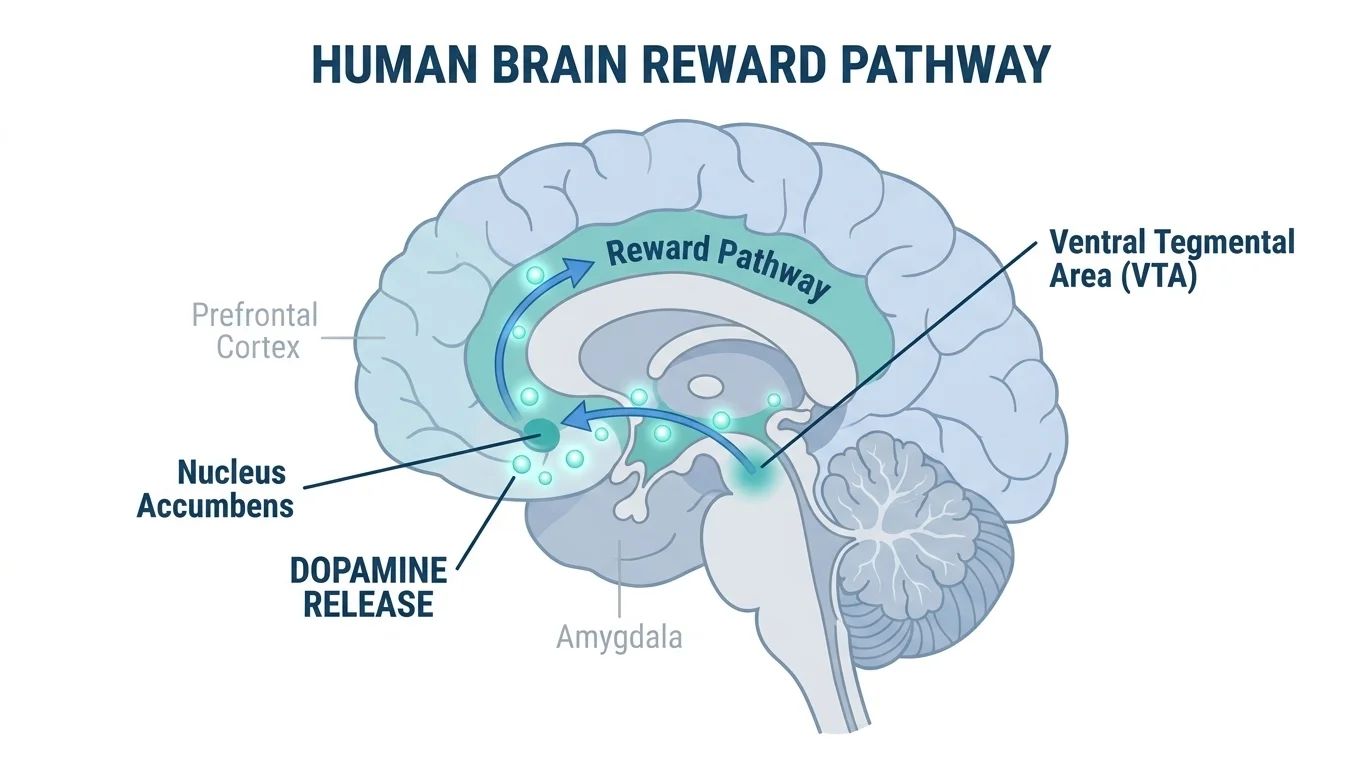
Dopamine is a chemical in the brain that helps control motivation, learning, movement, and reward. Many addictive substances affect dopamine activity.
When a substance creates a strong reward response, the brain can connect the substance with that feeling. Repeated use can strengthen this connection.
This may lead to cravings and make it harder for a person to feel satisfied by normal activities. The brain can also become less responsive to the substance over time, which may contribute to increased use.
Dependence vs. Addiction
Physical dependence and addiction are related but different.
Dependence means the body has adapted to a substance. If the person suddenly reduces or stops using it, withdrawal symptoms may occur.
Addiction involves continued substance use despite harmful effects and difficulty controlling use. A person may want to stop but struggle to do so.
Factors That Can Increase Addiction Risk
A person’s risk is affected by more than the substance itself. Genetics, environment, mental health, stress, and patterns of use can all play a role.
Some common risk factors include:
Frequent or heavy substance use
Starting substance use at a young age
A family history of addiction
High levels of stress
Trauma or difficult life experiences
Mental health concerns
Easy access to addictive substances
Using substances to cope with difficult emotions
The Most Addictive Substances
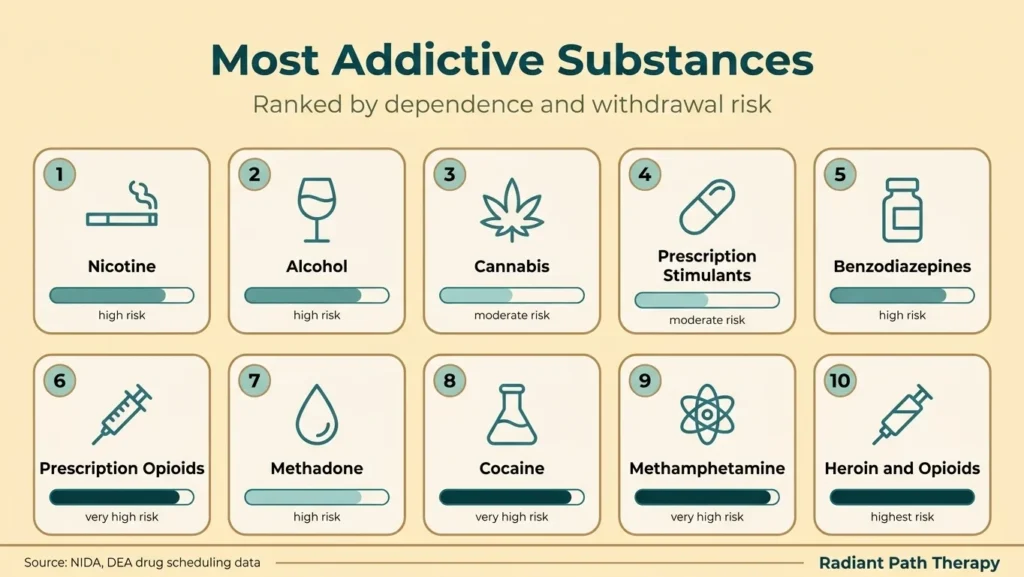
Different studies may rank substances in different ways. Some focus on dependence, while others look at withdrawal, harm, cravings, or the likelihood of developing a substance use disorder.
The substances below are commonly recognized as having significant addiction potential.
| Substance | Why It Can Be Addictive | Common Concerns |
|---|---|---|
| Heroin and other opioids | Can create powerful reward and relief | Dependence, cravings, overdose |
| Cocaine and crack cocaine | Produces a strong stimulant effect | Cravings, heart problems, relapse |
| Methamphetamine | Strongly affects the brain’s reward system | Dependence, mental and physical health problems |
| Alcohol | Can change brain reward and stress systems | Alcohol use disorder, withdrawal |
| Nicotine | Quickly affects the brain and can reinforce repeated use | Dependence, cravings, tobacco-related harm |
| Benzodiazepines | Can cause physical dependence with repeated use | Withdrawal and misuse |
| Prescription opioids | Can produce pain relief and rewarding effects | Dependence and overdose |
| Methadone | Has opioid effects and can cause dependence | Dependence, though also used medically |
| Cannabis | Can lead to repeated use and cravings in some people | Cannabis use disorder |
| Prescription stimulants | Can affect reward and alertness systems | Misuse and dependence |
What Are the Effects of Highly Addictive Substances?
Highly addictive substances can affect almost every part of the body, especially the brain. They can change how a person feels, thinks, and reacts to everyday situations. Some substances may cause increased energy, pleasure, relaxation, or alertness at first. With repeated use, the brain can become used to the substance, which may lead to stronger cravings and a need to use more to get the same effect.
A person may also experience problems with sleep, memory, focus, mood, heart rate, or coordination. Some substances can cause serious health problems, including breathing problems, heart problems, mental health symptoms, and overdose. The effects can become more serious when substance use continues for a long time. A person may begin to lose interest in hobbies, struggle at work or school, or have problems with family and friends. They may spend more time thinking about getting or using the substance and continue using it even after seeing negative effects.
When they try to stop, withdrawal symptoms such as anxiety, sweating, shaking, nausea, irritability, sleep problems, or strong cravings may occur. The exact effects depend on the substance, amount used, how often it is used, and the person’s overall health. Professional treatment can help people understand these effects, manage withdrawal and cravings safely, and develop healthier ways to cope.
Signs That Substance Use May Have Become an Addiction
It can be difficult for someone to recognize addiction in themselves. Friends and family may also be unsure about what they are seeing.
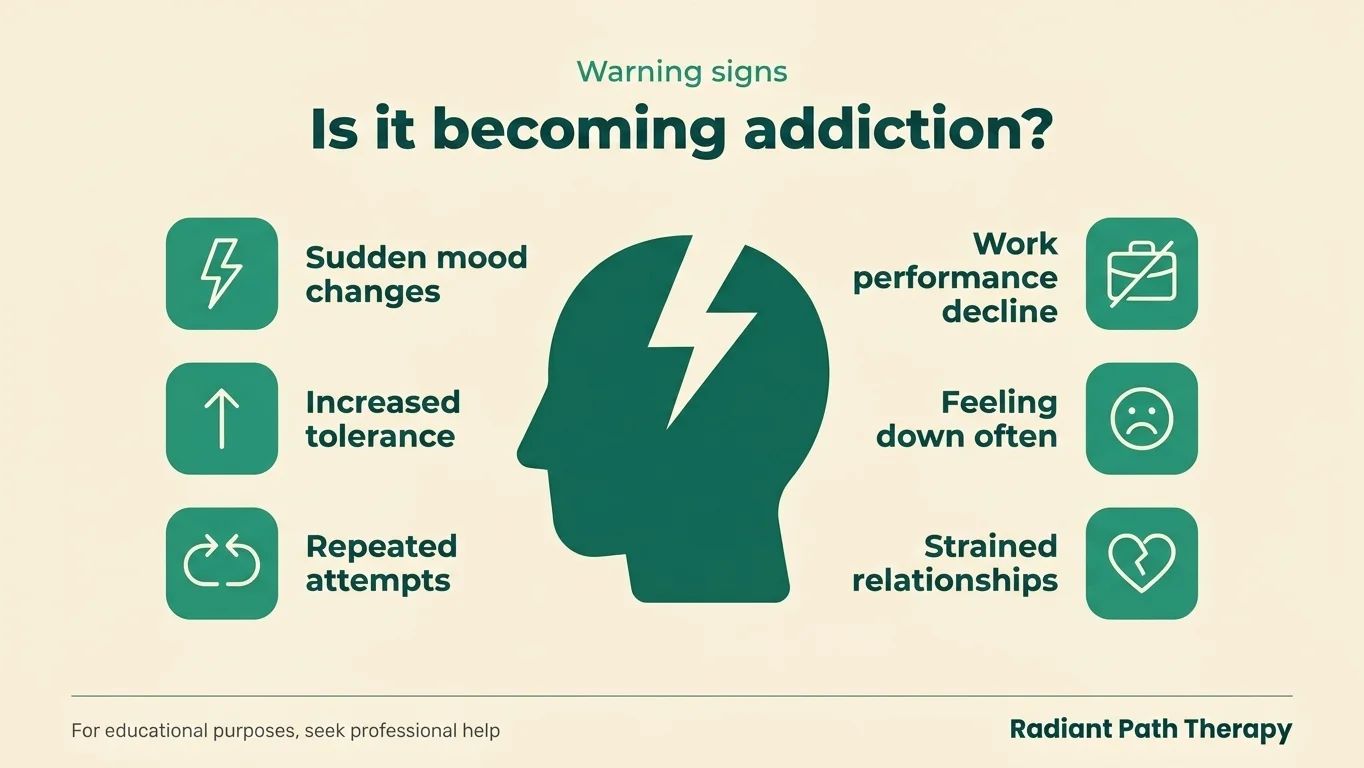
Some common warning signs include:
Strong cravings for the substance
Using more than originally planned
Trying to stop but being unable to
Spending a lot of time getting or using the substance
Missing work, school, or other responsibilities
Continuing to use despite health problems
Losing interest in hobbies
Using substances in risky situations
Developing tolerance
Experiencing withdrawal symptoms
Having one of these signs does not automatically mean someone has an addiction. A professional assessment can provide a clearer answer.
What Happens When You Stop Using an Addictive Substance?
When a person stops using an addictive substance, the brain and body may need time to adjust. If the body has become dependent on the substance, stopping suddenly can cause withdrawal symptoms. These may include anxiety, irritability, sweating, shaking, nausea, headaches, trouble sleeping, mood changes, and strong cravings.
The type and severity of withdrawal can vary based on the substance, how long it was used, how much was used, and the person’s overall health. Withdrawal can be uncomfortable and, with some substances, may be dangerous without medical support. Alcohol and certain prescription medicines, such as benzodiazepines, can cause serious withdrawal symptoms when stopped suddenly.
This is why people who have been using a substance regularly should speak with a healthcare professional before stopping. With proper treatment and support, withdrawal symptoms can be managed more safely, and a person can begin working on the causes of their substance use and long-term recovery.
How Is Addiction to Highly Addictive Substances Treated?
Addiction treatment is not the same for everyone. The best plan depends on the substance, the person’s health, the severity of the problem, and their personal goals.
Medical Detox and Withdrawal Support
Some people need medical support while withdrawing from a substance. Detox can provide monitoring and help manage withdrawal symptoms.
Detox alone is usually not enough to support long-term recovery. Many people need continued treatment after detox to address the causes and patterns connected to substance use.
Behavioral Therapy
Therapy can help people understand the thoughts, emotions, and situations that lead to substance use.
Cognitive behavioral therapy, also called CBT, can help people identify unhealthy thought patterns and practice better ways to handle cravings, stress, and difficult situations.
Individual and Group Counseling
Individual counseling provides private support for personal challenges. Group counseling allows people to connect with others who are working through similar struggles.
Both can help improve coping skills, communication, motivation, and confidence during recovery.
Medication-Assisted Treatment for Certain Substance Use Disorders
Medication can be part of treatment for some substance use disorders. For example, medications such as buprenorphine, methadone, and naltrexone may be used for opioid use disorder.
Some medications may also help people with alcohol or tobacco use disorders. A qualified healthcare professional can determine whether medication is appropriate.
Relapse Prevention and Long-Term Recovery Support
Recovery continues after the first stage of treatment. People may still face stress, cravings, difficult emotions, or situations that remind them of substance use.
Relapse prevention can help people identify triggers and prepare for challenging situations. Healthy routines, support systems, therapy, and ongoing care can all be part of long-term recovery.
When Should You Seek Addiction Treatment?
You do not have to wait for addiction to cause a major crisis before asking for help.
Professional support may be useful if you:
Feel unable to control substance use
Have tried to stop but keep returning to use
Experience strong cravings
Have health problems linked to substance use
Are having problems at work or school
Are experiencing family or relationship problems
Continue using despite negative consequences
Getting help early can make it easier to understand the problem and choose the right level of care.
Find Help for Substance Use in Grand Terrace, CA
Choosing treatment can feel difficult, especially if you are unsure where to begin. A professional assessment can help you understand your needs and identify appropriate treatment options. Radiant Path Therapy and Psychiatry offers Addiction Treatment in Grand Terrace, CA for people dealing with substance use concerns. Treatment can focus on understanding substance use patterns, improving coping skills, managing cravings, and building healthier habits.
A personalized approach is important because addiction does not look the same for everyone. The type of substance, length of use, physical dependence, mental health, and personal goals can all affect the treatment plan. If you or someone you care about is struggling with substance use, reaching out for professional support can be an important first step.
Conclusion
The most addictive substances can affect the brain’s reward system and make repeated use difficult to control. Heroin and other opioids, cocaine, methamphetamine, alcohol, nicotine, benzodiazepines, prescription opioids, methadone, cannabis, and prescription stimulants can all create different levels of risk.
There is no single ranking that applies to everyone. Addiction depends on the substance as well as personal, physical, emotional, and environmental factors.
The good news is that addiction can be treated. Therapy, counseling, medication when appropriate, withdrawal support, and relapse prevention can help people move toward recovery.
Recognizing the problem is often the first step. With the right support, people can learn healthier ways to manage stress, cravings, emotions, and daily challenges.
Frequently Asked Questions
What is the most addictive substance?
There is no single substance that is the most addictive for every person. Different substances have different effects on the brain and body. Addiction also depends on how a substance is used and personal risk factors.
What are the top 5 most addictive substances?
Commonly discussed substances with high addiction potential include opioids such as heroin and fentanyl, cocaine and crack cocaine, methamphetamine, alcohol, and nicotine. Rankings can change depending on how addiction is measured.
What makes a drug highly addictive?
A substance may have a high addiction potential when it strongly affects the brain’s reward system. Fast or intense effects can also reinforce repeated use. Genetics, mental health, stress, and environment can also affect addiction risk.
Which substance is hardest to quit?
There is no single answer because recovery is different for each person. Withdrawal, cravings, physical dependence, mental health, and personal circumstances can affect how difficult it is to stop. Professional treatment can provide support during recovery.
Can prescription medications become addictive?
Yes, some prescription medications can lead to dependence or addiction. Risk can increase when medicines are misused or taken differently from how they were prescribed. However, physical dependence and addiction are not the same thing.
Can someone become addicted after occasional use?
It is possible, although addiction risk varies between people and substances. Occasional use does not automatically cause addiction, but it does not remove the risks associated with an addictive substance. Certain substances can create strong effects even after limited exposure.
When should someone seek addiction treatment?
A person should consider treatment when substance use becomes difficult to control or starts causing problems. Health concerns, relationship problems, missed responsibilities, cravings, and failed attempts to stop are important warning signs. Early support can help prevent the problem from becoming worse.