We accept a variety of insurance plans.
Please contact us to confirm your coverage.
Radiant Path Therapy and Psychiatry · Redlands, CA
Mental health conditions and substance use disorders (SUD) often occur together, and each one makes recovery from the other harder. At Radiant Path Therapy and Psychiatry, our psychiatrists and therapists diagnose both conditions and provide dual diagnosis treatment to teens and adults at our clinic in downtown Redlands.

A mental health condition can lead to substance use, and substance use can also cause or worsen a mental health condition. We treat both together through integrated treatment.
Methamphetamine raises adrenaline and heart rate, which can trigger panic attacks that continue after use stops. Our psychiatrists treat the panic disorder, and therapy teaches breathing methods that slow heart rate during an attack.
Alcohol slows brain activity, and regular drinking deepens sadness and hopelessness. Our psychiatrists treat every form of depression, including postpartum and psychotic depression, alongside the drinking or drug use.
Drugs and alcohol dull flashbacks briefly, but nightmares and the stress response grow stronger afterward. Trauma-focused mental health treatment begins once daily life feels safe and predictable, which lowers relapse risk.
Impulsive decisions and restlessness make substance use more likely in teens and adults with ADHD. Medication choices account for each client’s substance history, and therapy sessions strengthen focus and impulse control.
Methamphetamine and other stimulants can trigger paranoia and hallucinations. Our psychiatrists stabilize psychosis with antipsychotic medication, and therapy helps clients and families respond to early changes in thinking.
Treatment hours rise or fall with the daily mental health support each client needs. A client can step up to PHP during a hard week and return to IOP once the crisis passes.
Clients in our dual diagnosis IOP spend 3 hours in treatment on 3 to 5 days of the week. Any session can take place by video from home, and most sessions are one-on-one.
Our PHP serves clients with severe distress or frequent substance use who need the most hours of treatment. Full-day sessions run 5 times per week, and clients spend nights at home.
Outpatient care fits clients who manage work and home life but need regular therapy and psychiatric appointments. Sessions happen less often than in PHP or IOP.
Past treatment decides where dual diagnosis care begins. Our team asks about earlier programs and current medication before the first appointment.
People seeking help for the first time often do not know which program fits. We explain how mental health and addiction treatment work together, then help choose a starting program based on withdrawal risk and safety needs.
Tolerance drops after detox, which raises overdose risk if opioid use returns. After discharge from detox or a hospital, PHP or IOP begins soon, and our psychiatrists continue the medication plan from that stay.
Anyone who completed treatment before, with us or elsewhere, can return without judgment. Our therapists study what led to the relapse and add the skills the earlier plan lacked.
Our psychiatric care includes diagnosis and ongoing monitoring, not medication alone. Our psychiatrists meet clients in person or through telepsychiatry.
Heavy drinking and drug use can produce depression or anxiety that fades after a period of abstinence. Our psychiatrists trace when each problem began to separate substance-induced disorders from independent mental health disorders.
Our psychiatrists check every prescription for misuse risk and interactions with alcohol or opioids. Follow-up appointments track side effects and confirm each medication still helps.
Clients with a diagnosis from another provider can request a second opinion. Our psychiatrists assess whether substance use explains part of the earlier diagnosis and whether current medication still fits.
MAT is available for clients with opioid or alcohol use disorder. Our psychiatrists manage MAT and psychiatric medication in one plan, so treatment for mood or anxiety never conflicts with recovery medication.
05
Our therapists use evidence-based methods for co-occurring disorders. Each method targets the thoughts and habits that connect a mental health condition to substance use.
Our therapists provide CBT to show clients how negative thoughts lead to both depression and substance use. Clients practice replacing these thoughts with healthier responses, using thought records between sessions.
Many clients feel unsure about changing their substance use. Through open questions and reflective listening, our therapists help each client name their own reasons for change. Self-chosen goals last longer than outside pressure.
Our relapse prevention therapy teaches clients to recognize early warning signs, such as isolation, and high-risk situations like certain people or places. Each client then writes a coping plan for those moments.
Every client moves through the same four stages, and progress decides the pace. Each stage ends when the client and care team agree on the next goal.
1
Withdrawal effects and severe mood changes ease first under our psychiatrists’ care. Calmer clients focus better in therapy and retain more of each session.
2
Clients learn coping skills for anger and sadness from our therapists. They practice these skills at home and discuss the results in each session.
3
Progress in therapy informs each medication change. When clients report fewer urges to use or better concentration, our psychiatrists adjust doses to match.
4
After IOP or PHP, clients move to outpatient therapy and psychiatry. Ongoing appointments detect returning symptoms or substance use early and continue medication management.
Our therapists and psychiatrists provide dual diagnosis care for clients of different ages and backgrounds. Each group faces different risks, and treatment plans reflect those differences.
The prefrontal cortex, which handles decision-making, keeps developing into the mid-twenties, so early substance use affects teens more. Our dual diagnosis treatment for teens accepts clients at any point in adolescence and addresses academic problems and peer pressure.
Many adults live with untreated anxiety or depression for years before drinking or drug use becomes a problem. Our psychiatrists treat the long-standing condition, which often lowers substance use.
Postpartum depression can lead some new mothers to alcohol or drugs, which then worsens mood further. Our psychiatrists treat both conditions with breastfeeding in mind, and therapy addresses sleep loss and newborn care demands.
Hispanic clients and parents who prefer Spanish can work with our bilingual therapist in their first language. Describing both the mental health condition and the substance use clearly leads to an accurate dual diagnosis.
When one partner has a mental health condition and a substance use disorder, conflict at home can worsen each one. Our couples therapy explains the dual diagnosis to both partners and helps them communicate without blame.
We accept PPO and other major insurance plans for every dual diagnosis program, including MAT. Before the first session, our staff confirm benefits with the carrier and explain each client’s copay and deductible. Some plans require approval before PHP or IOP begins, so our team submits the request and follows up until the plan responds. We also update that approval whenever a client changes programs, so insurance keeps paying for treatment.







Associate Clinical Social Worker
LPT, ASW, MSW
Melissa Rubalcava is an Associate Clinical Social Worker dedicated to helping individuals and couples navigate anxiety, trauma, identity challenges, and relationship stress.

Marriage & Family Therapist Associate
AMFT, EMDR
Briana Fisher is an Associate Marriage and Family Therapist committed to supporting individuals, couples, and families facing trauma, emotional distress, and relationship challenges.
Marriage & Family Therapist Associate
MRAS, CSC
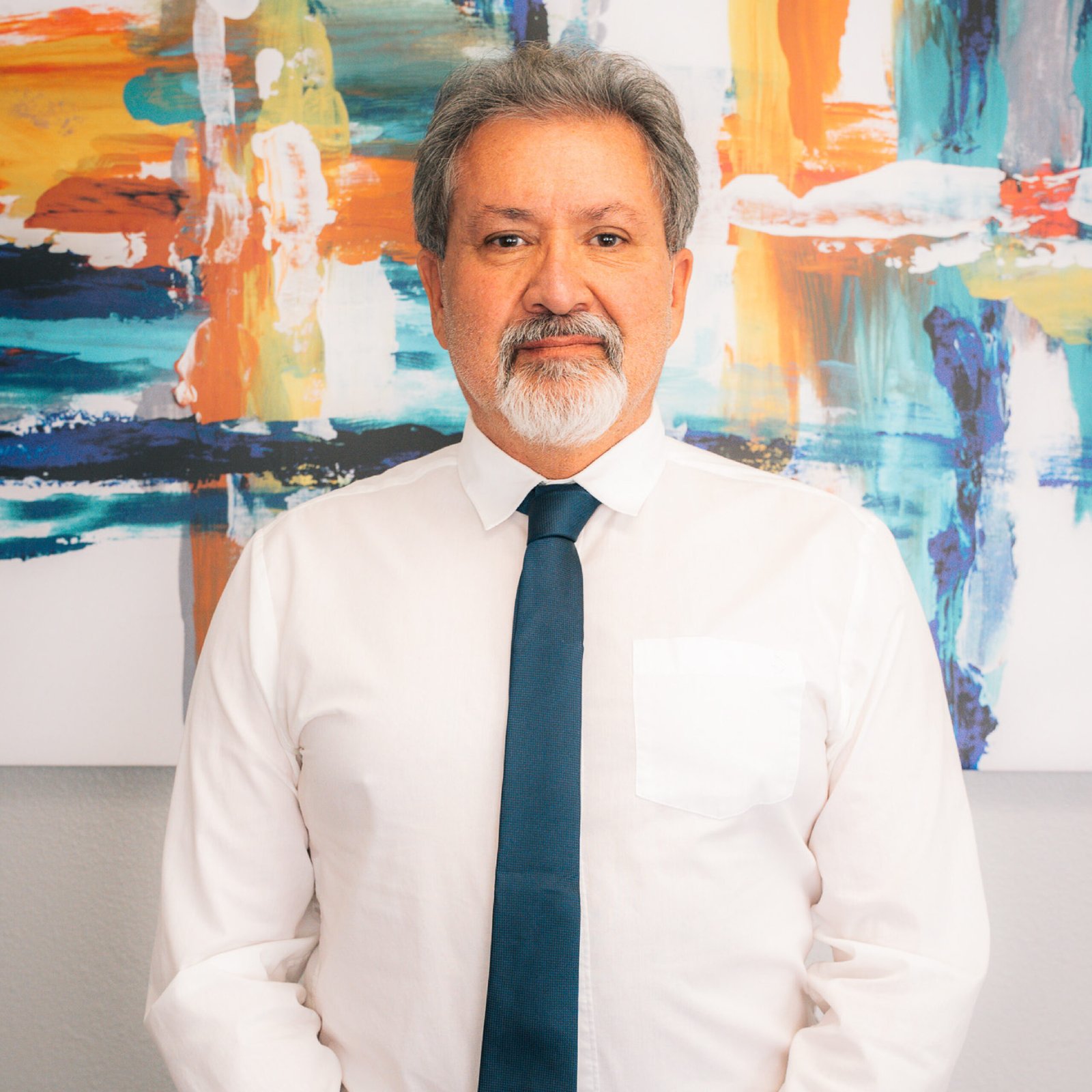
Mak Ehtesham is a Mental Health Recovery and Addiction Specialist with a doctoral degree in Applied Clinical Psychology and more than a decade of experience in behavioral health.
Program Manager & Trauma Specialist
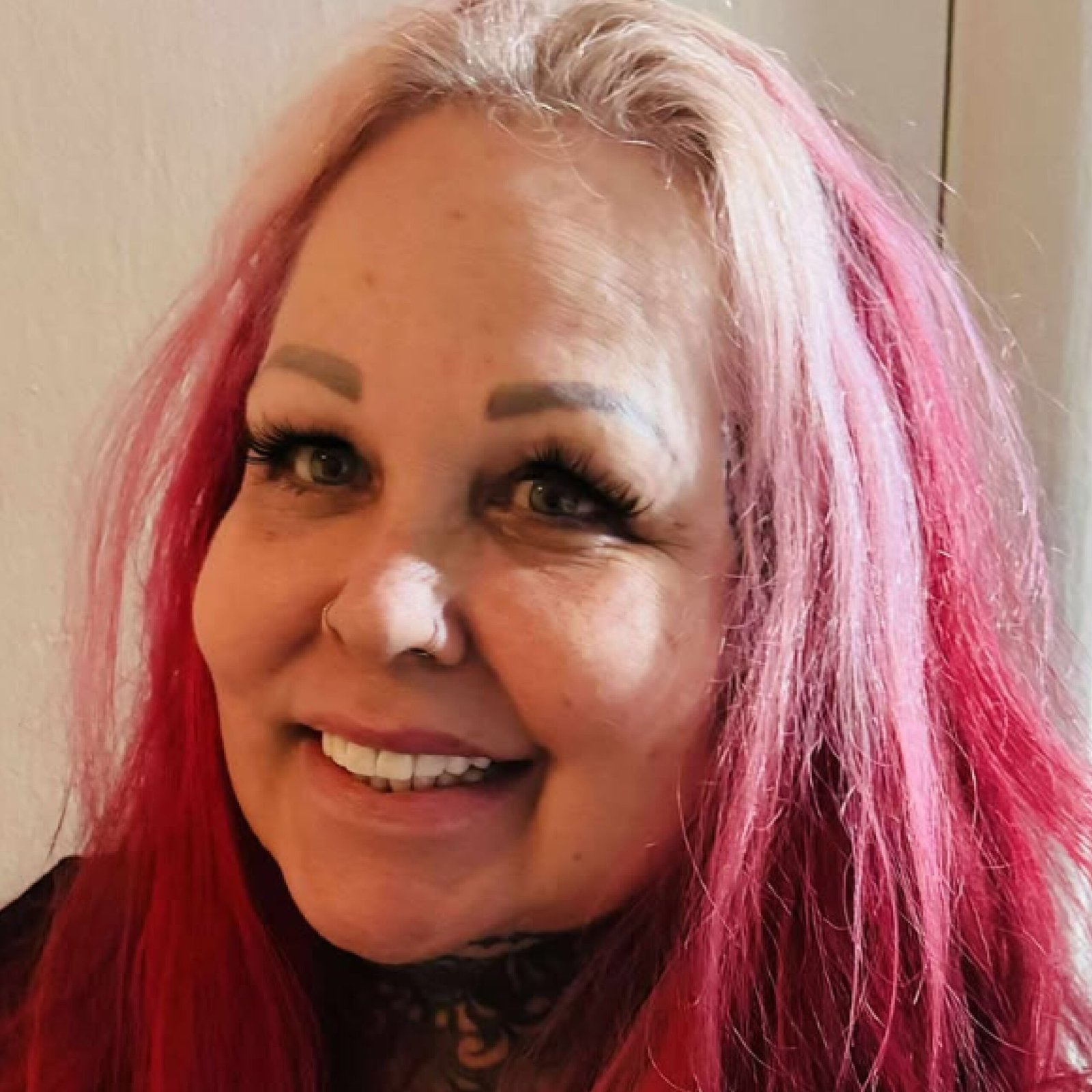
Deborah Sutton serves as the Program Manager at Radiant Path Therapy and Psychiatry and plays a central role in shaping the client experience.

Clinical Director
LMFT
Tiffany Komba is a Licensed Marriage and Family Therapist and the Clinical Director at Radiant Path Therapy and Psychiatry.
Associate Professional Clinical Counselor
APCC, EMDR Practitioner
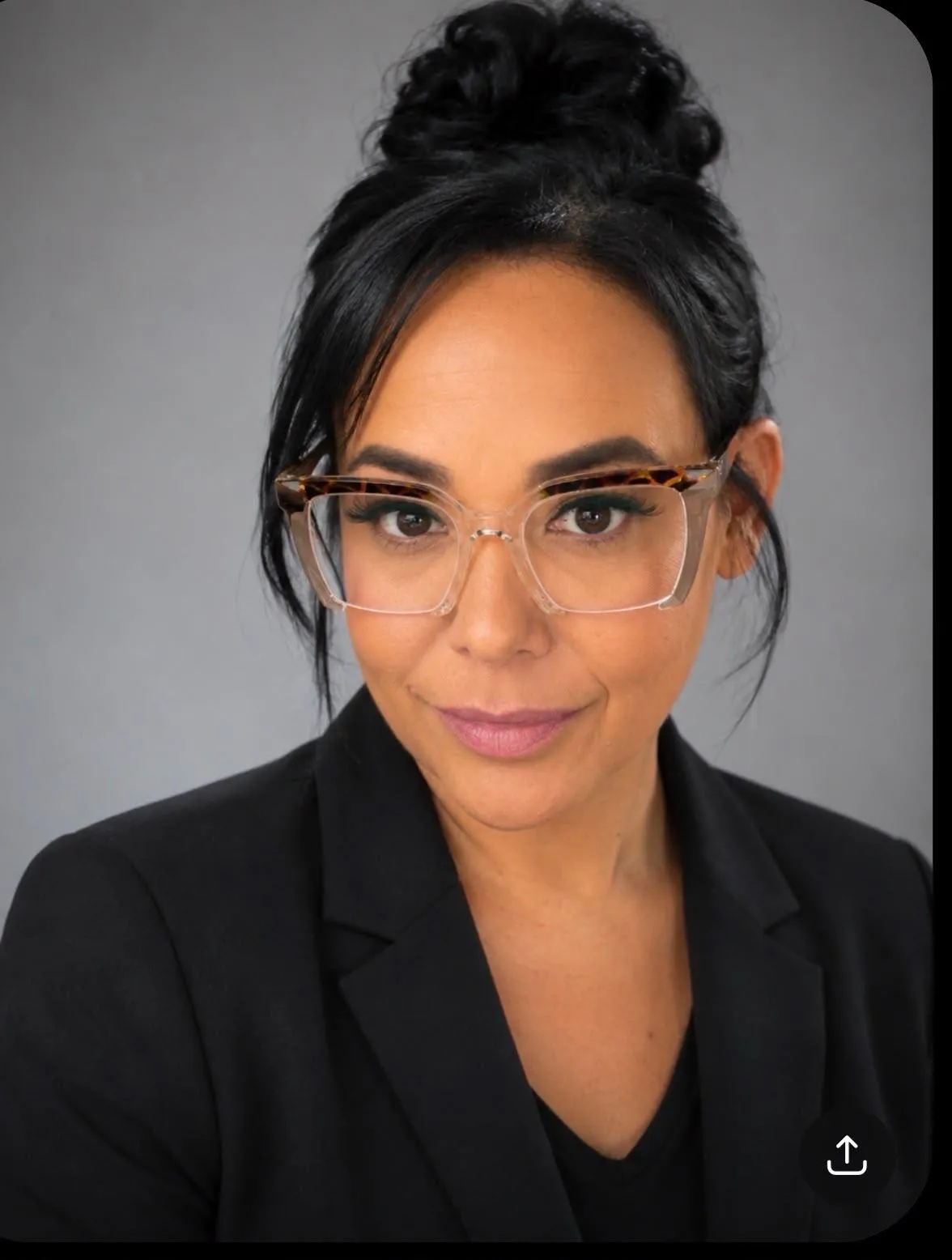
My name is Kerri Reynolds and I am an Associate Professional Clinical Counselor (APCC) and EMDR practitioner with specialized experience providing trauma-informed care to individuals navigating a wide range of mental…

Associate Professional Clinical Counselor
ACSW, EMDR Practitioner
I bring a strong clinical foundation working with children, adolescents, adults, and families, along with experience providing trauma informed, evidence based care in diverse settings.

Associate Therapist
AMFT, APCC
Samantha, AMFT & APCC, supports life transitions, trauma, and stress using CBT/DBT, offering compassionate care to build insight, resilience, and confidence.
Psychiatrists on our team diagnose mental health conditions and manage medication, coordinating with your therapist whenever you receive both forms of care.

Psychiatric Nurse Practitioner
DNP, PMHNP-BC
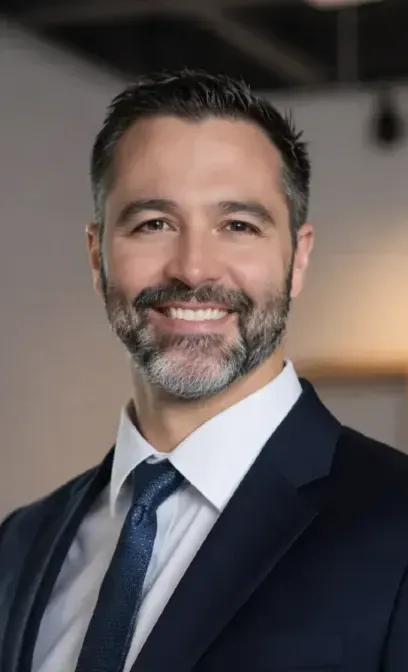
Daniel Lucero, DNP, PMHNP-BC is a board-certified psychiatric nurse practitioner and Doctor of Nursing Practice graduate of Loma Linda University.
Certified Psychiatric Associate
DNP, PMHNP-BC
Justin Matar, DNP, PMHNP-BC is a board-certified psychiatric nurse practitioner trained at Loma Linda University.

Physician Assistant
PA-C, CAQ-Psychiatry
As a Psychiatry CAQ Physician Assistant, I blend urgent and general medicine with psychiatry, focusing on patient education and the physical-mental health connection.
For urgent needs, treatment can start the same day clients call, after a free consultation. Willingness to seek help can fade quickly, and long waits are a common reason people never begin treatment. Our staff schedule therapy and psychiatric appointments together, so clients avoid two separate waitlists and start both parts of dual diagnosis treatment at once.
Medication follow-ups and therapy take place in the same clinic. Nationally, only about 15% of adults with co-occurring disorders receive treatment for both conditions, while many receive mental health care for only one. Here, neither condition goes untreated, and fewer transfers between providers lower the chance of a missed dose or a gap in treatment.
Our clinic provides dual diagnosis treatment to clients from across the East Valley and the Pass area.
Loma Linda
Bryn Mawr
Mentone
Highland
Yucaipa
Calimesa
Oak Glen
Cherry Valley
Beaumont
Banning
Clients share their experience with our dual diagnosis treatment.
★★★★★
“Siamak’s support has been invaluable in my mental health and addiction recovery journey. His compassionate, evidence-based approach helped me feel understood, supported, and empowered through treatment.”
Mychelle H.
Southridge Village
★★★★★
“Siamak helped me see my recovery from a different perspective. His understanding of addiction, mental health, and personal growth created a supportive space where I could learn, heal, and take steps toward a healthier life.”
Compa J.
Colton
★★★★★
“Working with Siamak helped me understand the connection between my mental health and addiction challenges. His personalized approach, compassion, and guidance gave me the tools to make meaningful progress in my recovery journey.”
Dianna M.
Highgrove
Lasting recovery from co-occurring disorders is possible, and the sooner both conditions receive treatment, the easier recovery becomes. Radiant Path Therapy and Psychiatry offers dual diagnosis treatment in Redlands, with our psychiatrists and therapists working from one plan. Book an appointment today, and our team will explain each program before treatment begins.
For a suspected overdose, call 911. For thoughts of suicide or self-harm, the 988 Suicide & Crisis Lifeline answers calls and texts at any hour.
Dual diagnosis means a person has a mental health condition and a substance use disorder at the same time. Common dual diagnosis examples include depression with alcohol use and PTSD with opioid use. Our therapists and psychiatrists treat these pairings in every program.
Yes. Many clients arrive without a diagnosis. Our psychiatrists make the diagnosis during the first evaluation, so clients do not need paperwork from another provider.
A standard IOP usually focuses on substance use alone. Our dual diagnosis IOP adds psychiatric evaluation and medication management, so depression, anxiety, or trauma receive treatment in the same program.
No. Many clients begin treatment while still using alcohol or drugs. Our psychiatrists assess withdrawal risk at the first evaluation and arrange a detox referral when withdrawal is severe.
Yes. Clients continue their MAT medication without a break during IOP. Program sessions address both conditions together.
A return to use signals that the plan needs a change, not that treatment has failed. Our team adds support, such as extra therapy sessions or a medication review, and treatment continues.
Uneven progress is common. Mood can stabilize before substance use changes, or the reverse. Our psychiatrists and therapists continue treating the slower condition until both conditions improve.
Yes. Our team explains programs and admission steps to family members who call. Treatment details for an adult client stay private unless the client signs a release, and staff share ways to encourage a loved one to begin treatment.