
Feeling sad, tired, or hopeless from time to time is a normal part of life. However, when these feelings continue for years and make everyday life harder, they may be a sign of a long-term mental health condition. Persistent depressive disorder (PDD) is a form of depression that causes a lasting low mood, low energy, and other emotional and physical symptoms. Unlike a short period of sadness, it can affect how a person thinks, feels, works, and connects with others.
At Radiant Path Therapy and Psychiatry, we understand that living with an ongoing low mood can be difficult. People in Grand Terrace and nearby communities, may spend years trying to manage these feelings without knowing that professional support is available. Learning about persistent depressive disorder can help you recognize the signs, understand possible causes, and explore treatment options.
The good news is that PDD is treatable. With the right support, people can learn to manage their symptoms, improve their daily lives, and work toward better emotional health.
Understanding the Condition and Its History
Persistent depressive disorder is a long-term form of depression. It causes a low mood that lasts for at least 2 years in adults and 1 year in children and teenagers. Unlike a major depressive episode, which may involve a more noticeable period of severe symptoms, PDD often develops slowly. A person may get used to feeling sad, tired, or unmotivated and may not realize these feelings could be signs of depression.
PDD was previously known as dysthymia. The term dysthymia is still used when discussing the history of the condition. Today, the diagnosis includes patterns that were previously classified as dysthymic disorder and chronic major depression. This broader diagnosis helps mental health professionals describe long-lasting depressive symptoms more accurately.
How Long Symptoms Must Last for a PDD Diagnosis

For adults, a diagnosis generally requires a depressed mood for most of the day, more days than not, for at least two years. During this time, symptoms must not disappear for more than two months at a time. For children and teenagers, the required period is at least one year.
Their mood may also appear more irritable than sad. A long period of low mood does not automatically mean someone has PDD. A mental health professional must review the symptoms, their duration, and their effect on daily life before making a diagnosis.
Symptoms of Persistent Depressive Disorder
Not everyone with persistent depressive disorder experiences the same symptoms. A person may have low energy and poor concentration, while someone else may struggle more with sleep, appetite, or feelings of hopelessness. The number and severity of symptoms can also change over time. A mental health professional looks at the overall pattern, how long the symptoms have lasted, and how they affect daily life rather than relying on one symptom alone.
Emotional and Mental Symptoms
The emotional symptoms of PDD often develop slowly. A person may feel low or unhappy without knowing exactly why.
Common emotional and mental symptoms include:
- Ongoing sadness or feeling empty
- Low self-esteem or feeling worthless
- Frequent worry or negative thoughts
- Feeling hopeless about the future
- Trouble making decisions
- Poor concentration or difficulty staying focused
- Losing interest in activities once enjoyed
- Feeling irritable or easily frustrated
Some people also feel that nothing they do will make their situation better. These thoughts can affect their confidence and make it harder to handle everyday challenges.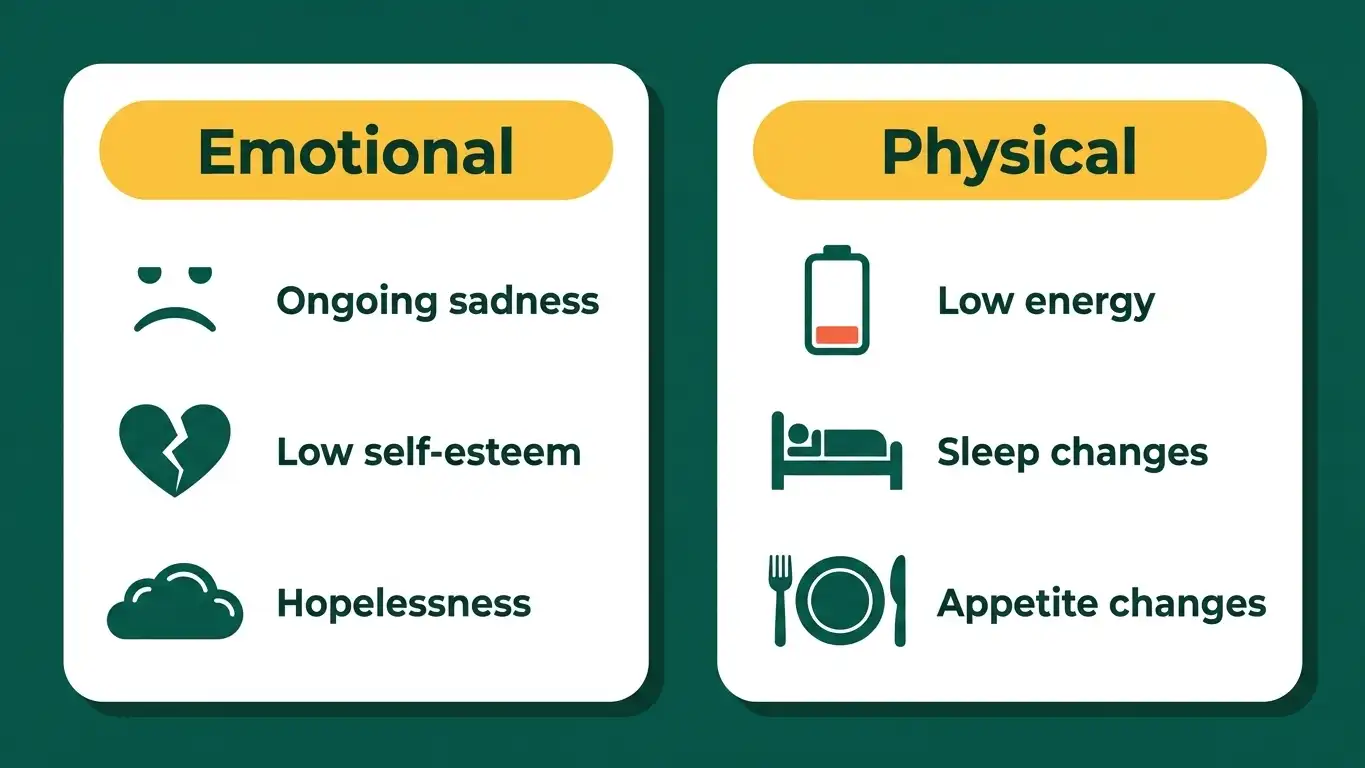
Physical Symptoms and Changes in Daily Habits
PDD does not only affect mental health. It can also cause physical changes that make daily activities more difficult.
Common physical and behavioral symptoms include:
- Low energy or ongoing tiredness
- Sleeping too little or too much
- Eating less than usual or overeating
- Changes in weight
- Moving or speaking more slowly
- Avoiding social activities
- Finding it hard to complete daily tasks
These symptoms may affect work, school, relationships, and personal responsibilities. Some people may visit a doctor because of tiredness or sleep problems without realizing that depression could be contributing to them.
Causes and Risk Factors of Persistent Depressive Disorder
There is no single known cause of persistent depressive disorder. Researchers believe that several factors may contribute to its development, including family history, brain function, stressful life events, and difficult childhood experiences. These factors do not affect everyone in the same way. Having a family history of depression or going through a stressful event does not mean a person will develop PDD.
Long-term stress and traumatic experiences may also increase the risk of depression. For some people, symptoms begin during childhood or the teenage years. For others, they appear later in adulthood. A person’s health, environment, and past experiences may all play a part in how symptoms develop and continue.
Genetic and Family History
Family history may play a role in PDD. People who have close family members with depression may have a higher chance of experiencing similar mental health problems. Genes may affect how the brain manages mood, stress, and emotions. However, having a family history of depression does not mean someone will automatically develop PDD.
Psychological and Environmental Factors
Long-term stress and difficult life events may increase the risk of persistent depressive disorder. These experiences can affect how a person handles emotions and responds to everyday problems.
Possible contributing factors include:
- Ongoing stress at work or home
- Financial problems
- Relationship difficulties
- Social isolation
- Loss of a loved one
- Lack of emotional support
These experiences do not affect everyone in the same way. Some people may develop depression after a stressful period, while others may not experience lasting symptoms.
Childhood Experiences and Long-Term Stress
Difficult childhood experiences may increase the risk of depression later in life. Growing up around conflict, neglect, abuse, or a lack of emotional support can affect a person’s sense of safety and self-worth.
Long-term stress during childhood may also make it harder to manage emotions as an adult. However, not everyone who experiences childhood difficulties develops PDD.
Research published in The Lancet Psychiatry describes persistent depressive disorder as a condition with several possible causes rather than one single cause. This supports the need to consider a person’s life experiences, family history, and mental health when understanding the condition.
Why Persistent Depressive Disorder Often Goes Unnoticed
Persistent depressive disorder can remain unnoticed for years. Its symptoms may develop slowly, and people may learn to hide their feelings while continuing with work, family, and other responsibilities.
A person may not realize that their ongoing sadness, low energy, or hopeless thoughts are signs of depression. This can delay diagnosis and treatment.
When Long-Term Low Mood Feels Like Your Normal Personality
Some people experience low moods from childhood or their teenage years. Because these feelings have been present for so long, they may believe that sadness, low confidence, or hopelessness are simply parts of their personality.
For example, someone may describe themselves as naturally negative or someone who never feels happy. They may not realize that their feelings could be linked to a treatable mental health condition.
A review by Sansone and Sansone explains that people with longstanding depressive symptoms may mistake them for personal characteristics. This can make it harder for them to recognize the need for mental health support.
How Other Health Problems Can Hide Depressive Symptoms
PDD can occur alongside physical and mental health conditions. For example, someone may seek medical help for sleep problems, ongoing tiredness, or digestive concerns without discussing their mood.
Anxiety, substance use problems, and other mental health conditions can also make it harder to recognize persistent depression. When several conditions occur together, a professional needs to look at the full picture instead of focusing on only one symptom.
Why People May Delay Seeking Mental Health Support
People may delay getting help for several reasons. Some believe their symptoms are not serious enough to need treatment. Others may feel embarrassed, worry about being judged, or think they should manage their feelings alone. A person may also avoid support because they do not know where to start.
When a low mood has lasted for years, asking for help can feel unfamiliar or difficult. However, people do not need to wait until symptoms become severe before speaking with a mental health professional.
How Persistent Depressive Disorder Affects Daily Life
Living with PDD can make ordinary responsibilities feel harder. Even when symptoms are not severe, dealing with low mood over a long period can affect a person’s confidence, relationships, and ability to enjoy life. A person may continue meeting daily responsibilities while feeling emotionally exhausted inside.
Effects on Work, Education, and Daily Responsibilities
Low energy and poor concentration can make it difficult to complete tasks. At work, a person may struggle to stay focused, meet deadlines, or make decisions. Students may find it harder to study, remember information, or stay interested in their classes. Everyday responsibilities, such as cleaning, shopping, and managing appointments, may also feel overwhelming.
These challenges can affect performance and confidence. A person may blame themselves for not doing enough without understanding how depression affects motivation and concentration.
Effects on Relationships and Social Connections
PDD can also affect relationships with family, friends, and partners. Someone experiencing ongoing depression may avoid social activities, communicate less, or struggle to explain how they feel. Loved ones may misunderstand this behavior and believe the person is losing interest in them.
This can lead to distance, arguments, and feelings of loneliness. Open communication and emotional support can help people feel less isolated. It is also important for loved ones to understand that depression is not a choice or a sign of laziness.
Impact on Quality of Life and Social Functioning
Long-term depression can reduce a person’s enjoyment of everyday life. Activities that once felt meaningful may no longer bring the same pleasure.
Research on dysthymic disorder has linked the condition with lower social functioning, reduced quality of life, and difficulties with relationships. These effects show why treatment should focus not only on mood symptoms but also on helping people improve their daily lives.
How Is Persistent Depressive Disorder Diagnosed?
A mental health professional can diagnose PDD by reviewing a person’s symptoms, medical history, and emotional health. There is no single blood test or brain scan that can confirm the condition.
The evaluation also helps rule out other conditions that may cause similar symptoms.
DSM-5-TR Diagnostic Criteria
The Diagnostic and Statistical Manual of Mental Disorders, Fifth Edition, Text Revision (DSM-5-TR) provides the main diagnostic guidelines used by mental health professionals in the United States.
For an adult diagnosis, the person generally must experience a depressed mood for most of the day, more days than not, for at least two years. They must also experience at least two additional symptoms, such as:
- Poor appetite or overeating
- Insomnia or sleeping too much
- Low energy or fatigue
- Low self-esteem
- Poor concentration or difficulty making decisions
- Feelings of hopelessness
Symptoms must not disappear for more than two months at a time during the required period. They must also cause distress or problems with important areas of life. The American Psychiatric Association’s diagnostic information explains the changes made to the PDD diagnosis in DSM-5-TR.
What to Expect During a Mental Health Evaluation
During an evaluation, a mental health professional may ask questions about:
- How long you have experienced low mood
- How often your symptoms occur
- Changes in sleep, appetite, and energy
- Your family and medical history
- Stressful events and past experiences
- How symptoms affect work and relationships
- Any previous mental health treatment
You should try to describe your experiences honestly, even if some symptoms seem small or difficult to explain.
The professional may also ask about medications, substance use, and physical health conditions to understand whether something else could be contributing to your symptoms.
Persistent Depressive Disorder and Other Mental Health Conditions
PDD can occur alongside other mental health conditions. When this happens, symptoms may become more difficult to understand because different conditions can affect mood, behavior, and daily functioning in similar ways. A complete mental health evaluation can help identify these conditions and guide treatment.
Persistent Depressive Disorder and Anxiety Disorders
Depression and anxiety can occur together. A person with PDD may also experience constant worry, fear, nervousness, or difficulty relaxing. For example, someone may feel hopeless about the future while also worrying about work, relationships, or everyday responsibilities. When both conditions are present, treatment may need to address low mood and anxiety symptoms together.
Persistent Depressive Disorder and Personality Disorders
Some people with PDD also have a personality disorder. Both conditions can affect relationships, emotional responses, and the way a person sees themselves.
For example, someone may struggle with low self-worth, fear of rejection, or difficulty trusting others. These experiences can make it harder to understand which symptoms are related to depression and which may be linked to a personality disorder. A professional assessment can help identify both conditions and plan suitable care.
Persistent Depressive Disorder and Substance Use Problems
Some people use alcohol or other substances to cope with sadness, stress, or emotional discomfort. They may believe these substances help them feel better for a short time. However, substance use can affect sleep, mood, judgment, and overall mental health. It may also make depression harder to manage. When PDD and substance use problems occur together, both issues need attention during treatment.
Understanding Double Depression
Double depression is a term used when someone with persistent depressive symptoms experiences an additional episode of major depression. For example, a person may have lived with a low mood for several years but then experience a period of much stronger sadness, loss of interest, sleep changes, and hopelessness.
These added symptoms can make daily life more difficult. A person may struggle with responsibilities they were previously able to manage. The term double depression is commonly used to describe this pattern. In modern diagnostic practice, a professional evaluates the full pattern under the broader PDD diagnosis and identifies any additional major depressive episode when appropriate.
Treatment Options for Persistent Depressive Disorder
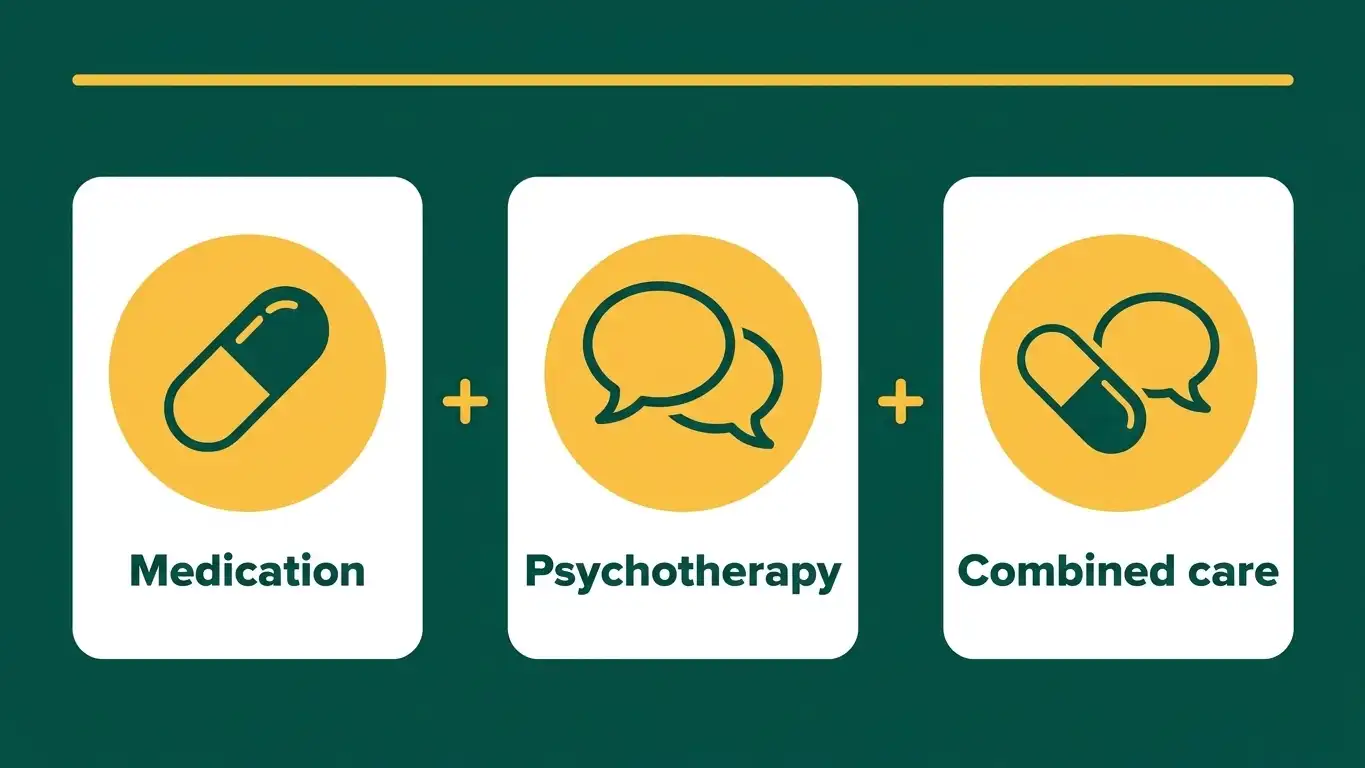
Treatment for persistent depressive disorder focuses on reducing symptoms, improving daily functioning, and helping people build healthier ways to manage difficult emotions. Because PDD can last for years, treatment may take time. The right approach depends on symptom severity, personal needs, medical history, and previous treatment experiences.
Antidepressant Medication
A healthcare provider may recommend antidepressants to help manage depression symptoms. These medications affect brain chemicals involved in mood and emotional regulation.
Common medication groups include:
- Selective serotonin reuptake inhibitors (SSRIs)
- Serotonin-norepinephrine reuptake inhibitors (SNRIs)
- Tricyclic antidepressants (TCAs)
Not every medication works the same way for every person. A healthcare provider considers possible benefits, side effects, other medications, and medical history before recommending treatment.
It may take several weeks to notice changes. People should not stop taking prescribed antidepressants or change their dose without speaking with their healthcare provider.
Psychotherapy for Persistent Depressive Disorder
Psychotherapy, also called talk therapy, helps people understand their emotions, thoughts, and behavior. It provides a supportive space to discuss personal challenges and develop healthier ways to respond to difficult situations. Several approaches may help people with PDD. Cognitive Behavioral Therapy (CBT): CBT helps people recognize negative thought patterns and understand how these thoughts affect their feelings and actions. It also teaches practical ways to challenge unhelpful thinking.
Interpersonal Psychotherapy (IPT): IPT focuses on relationship problems, communication, grief, and other social challenges that may affect mood. Supportive Therapy: This approach gives people a safe space to discuss concerns, understand their feelings, and build emotional coping skills. The American Psychological Association recognizes CBT and interpersonal psychotherapy as evidence-based approaches for adult depression. The choice of therapy depends on the person’s needs and treatment goals.
Combining Medication and Psychotherapy
Some people benefit from using medication and psychotherapy together. Medication may help reduce depressive symptoms, while therapy helps people understand their emotions and change patterns that affect their daily lives.
For example, a person may use medication to manage low mood while working with a therapist on negative thinking, relationship difficulties, and stress.
A combined approach is not necessary for everyone. A healthcare provider can help decide whether one treatment or both may be appropriate.
Managing Treatment When Symptoms Continue
Some people continue to experience symptoms even after starting treatment. This does not mean that recovery is impossible or that treatment has failed. A healthcare provider may review the treatment plan, check medication use, consider other health conditions, or recommend a different therapy approach. It is important to discuss ongoing symptoms instead of making treatment changes alone. Regular communication helps professionals understand what is working and what needs to change.
Long-Term Recovery and Relapse in Persistent Depressive Disorder
Recovery from persistent depressive disorder (PDD) takes time, and symptoms may return after improvement. A 2000 study found that 52.9% of 86 adults with early-onset dysthymic disorder recovered within five years. However, 45.2% of those who recovered later experienced a relapse. The follow-up study shows that recovery is possible, but results may differ from person to person.
Regular follow-up appointments can help people notice returning symptoms and review their treatment. Mental health professionals may suggest changes to therapy or medication when needed. Seeking support early can help prevent symptoms from becoming harder to manage.
Conclusion
Persistent depressive disorder is a long-term mental health condition that can affect mood, energy, relationships, and daily responsibilities. Because symptoms may develop slowly, some people do not recognize them as signs of depression. Understanding the symptoms, causes, and risk factors can help people recognize when they may need support.
Although PDD can last for years, recovery is possible. Psychotherapy, medication, healthy routines, and ongoing professional support can help people manage symptoms and improve their quality of life. Seeking help is an important step toward feeling better and building a healthier future.
Get Professional Support for Persistent Depressive Disorder
Living with persistent depressive disorder can make everyday life challenging, but you do not have to manage it alone. Radiant Path Therapy and Psychiatry provides in-person therapy and psychiatric care at its Grand Terrace, Redlands, and Corona clinics, as well as secure telehealth services across California. Our team can help you understand your symptoms, explore treatment options, and find support that meets your needs.
If ongoing low mood is affecting your daily life, consider reaching out for professional support. Contact Radiant Path Therapy and Psychiatry to learn more about available services and schedule a consultation.
Frequently Asked Questions
Can Persistent Depressive Disorder Turn Into Major Depression?
Yes. A person with PDD can also experience a major depressive episode. When both occur, it is sometimes called double depression.
Can You Have Persistent Depressive Disorder Without Knowing It?
Yes. Some people live with low mood for years and assume it is part of their personality. They may not realize it could be a treatable mental health condition.
Can Persistent Depressive Disorder Go Away Completely?
Some people recover and no longer meet the criteria for PDD. Others may continue to experience symptoms. Treatment and regular follow-up can support recovery.
Can Persistent Depressive Disorder Return After Recovery?
Yes. Symptoms can return after a period of improvement. Regular check-ins with a mental health professional can help identify changes early.
Does Persistent Depressive Disorder Affect Your Personality?
PDD does not change a person’s basic personality, but long-term low mood may affect confidence, relationships, motivation, and how they see themselves.
Is Persistent Depressive Disorder a Lifelong Condition?
Not always. PDD can last for years, but some people improve with treatment and ongoing support. The length and course of the condition vary from person to person.